Ben Jennings on David Cameron’s war on online pornography.
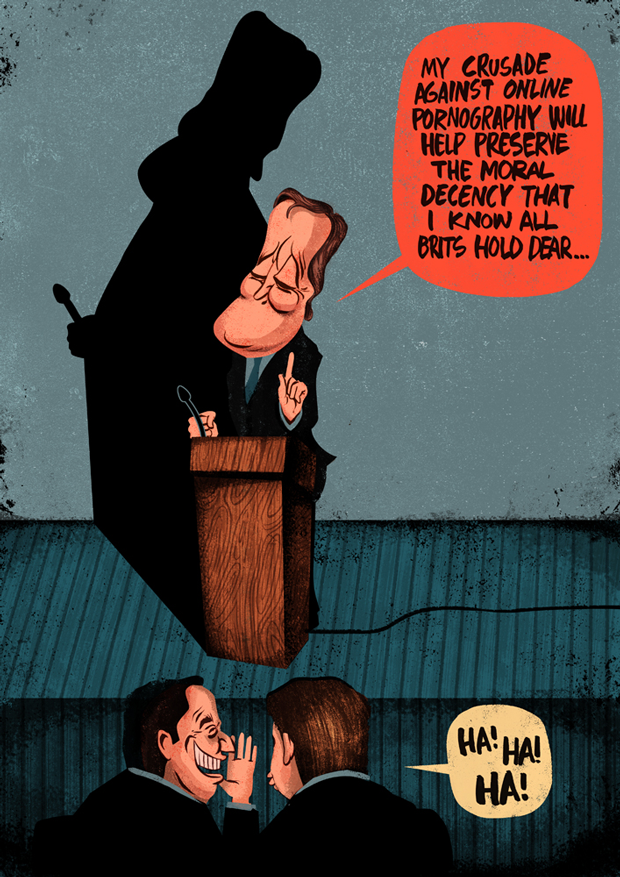
Cameron’s obsession with porn
read more
Ben Jennings on David Cameron’s war on online pornography.

It’s been a bad week for the internet in Russia, with the founder of “Russian Facebook” claiming that Putin loyalists have total control of the site, and the Duma adopting controversial amendments targeting bloggers. Milana Knezevic writes
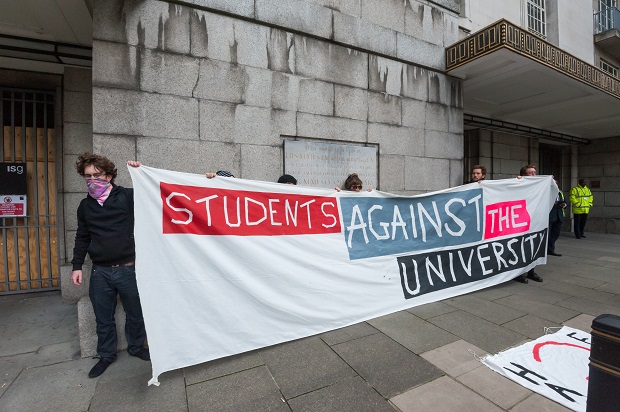
There is a strong attitude across university campuses that censorship is a good tool for the benefit of a multicultural and inclusive society, that respects the values of all its members, freeing them from being exposed to anything they may find “harmful”, Christopher Beckett writes

As Singaporeans increasing turn to the internet as their source of news and information, websites and blogs are making an unmistakable impact on the city state’s media landscape, Kirsten Han reports
Knowledge, claimed Francis Bacon, is power. It is also money. Which is why Canada’s newly drafted Digital Privacy Act, Bill S-4, is considered by the privacy fraternity to be a demon of some proportions, Binoy Kampmark writes

A slip during an interview revealed the sneaking suspicion of free thinkers. The UK government was no longer restricting itself to censoring web content which was illegal. It was going to start censoring content which it simply didn’t like, Ian Dunt writes
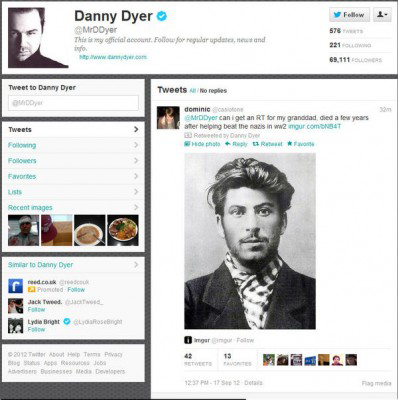
The description of Twitter as a game has one problem: Twitter can have real-life consequences, Padraig Reidy writes

Pakistan’s draft computer crimes law is the latest example of vaguely worded legal frameworks that have severe implications for freedom of expression in the country, Nighat Dad writes
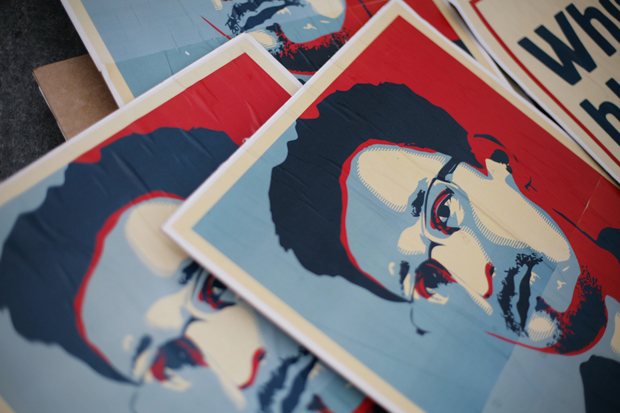
Edward Snowden’s revelations on the voracious appetite of spying on all and sundry by the National Security Agency and allied agencies should not give pause for too much comment, other than to affirm a general premise: Activists and non-government groups are to be feared.

Activist academics played a pivotal role in the country’s 2011 uprising, but today the corrosion of academic freedom of expression continues, writes Heather McRobie

A lack of visibility of female academics at the University of Bristol – especially in the more scientific faculties – is in stark contrast to the number of undergraduates in the same subjects, Margot Tudor writes

Questions about the security of India’s giant biometric database continue to be raised by privacy advocates, Mahima Kaul reports
Petitions, letters, and press releases from Index on Censorship