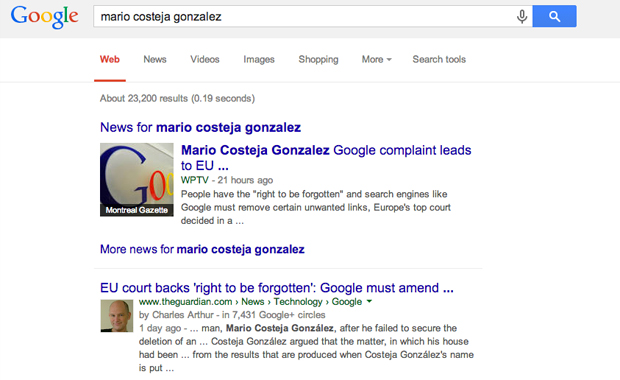
Who limits access to information in the context of a search, and what it produces, continues to loom large. The right to know jousts with the entitlement to be invisible, writes Binoy Kampmark
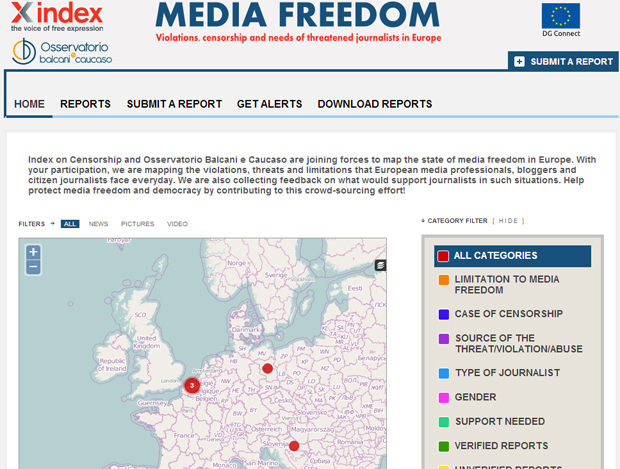
Index on Censorship, (London, United Kingdom) and Osservatorio Balcani e Caucaso, (Rovereto, Italy) have launched mediafreedom.ushahidi.com, a website that will enable the reporting and mapping of media freedom violations across the 28 EU countries...
Media freedom has always been on European Union’s agenda. With funding from the EU, four organisations, including Index on Censorship, will tackle problems currently facing journalists and media personnel across Europe. Alice Kirkland reports
You can find support for the public’s right to access official information in the strangest places. Like a private EU policy paper draft. As leaked to and published by the whistle-blowers’ website Wikileaks. Rohan Jayasekara writes
On 12 May 2014, the Council of the European Union adopted the EU Human Rights Guidelines on Freedom of Expression: Online and Offline (Guidelines). The initiative to adopt the Guidelines, which provide “political and operational guidance” to EU...
Rik Ferguson argues that the right to be forgotten is not censorship in this essay offering a counterpoint to the Index position.
New guidelines were released this week by the European Union Foreign Affairs Council specifically focusing on freedom of expression online and offline. Alice Kirkland reports
Although the Court of Justice of the European Union’s ruling on the right to be forgotten was made with intention of protecting European citizens’ personal data, the court’s ruling opens the door for anyone to request that anything be hidden from a search engine database with no legal oversight.
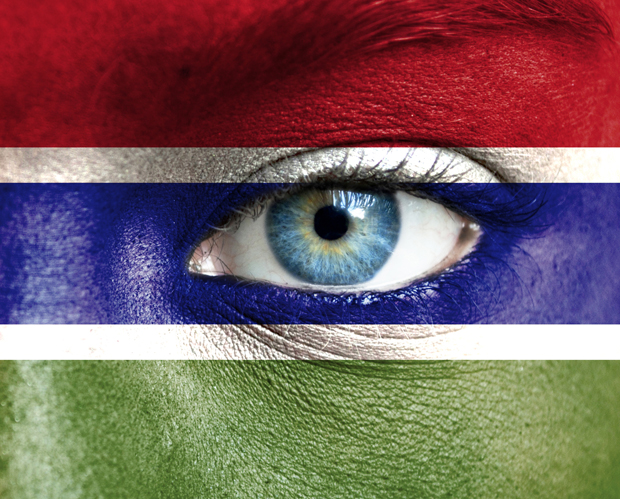
Gambian President Yahya Jammeh has bowed to EU pressure to implement political reforms — including changing the country’s restrictions on the media, Buya Jammeh reports
EU officials should have seen it coming. In December, the Advocate General of the ECJ was already of the opinion that the DRD constituted “a serious interference” with privacy, Binoy Kampmark writes