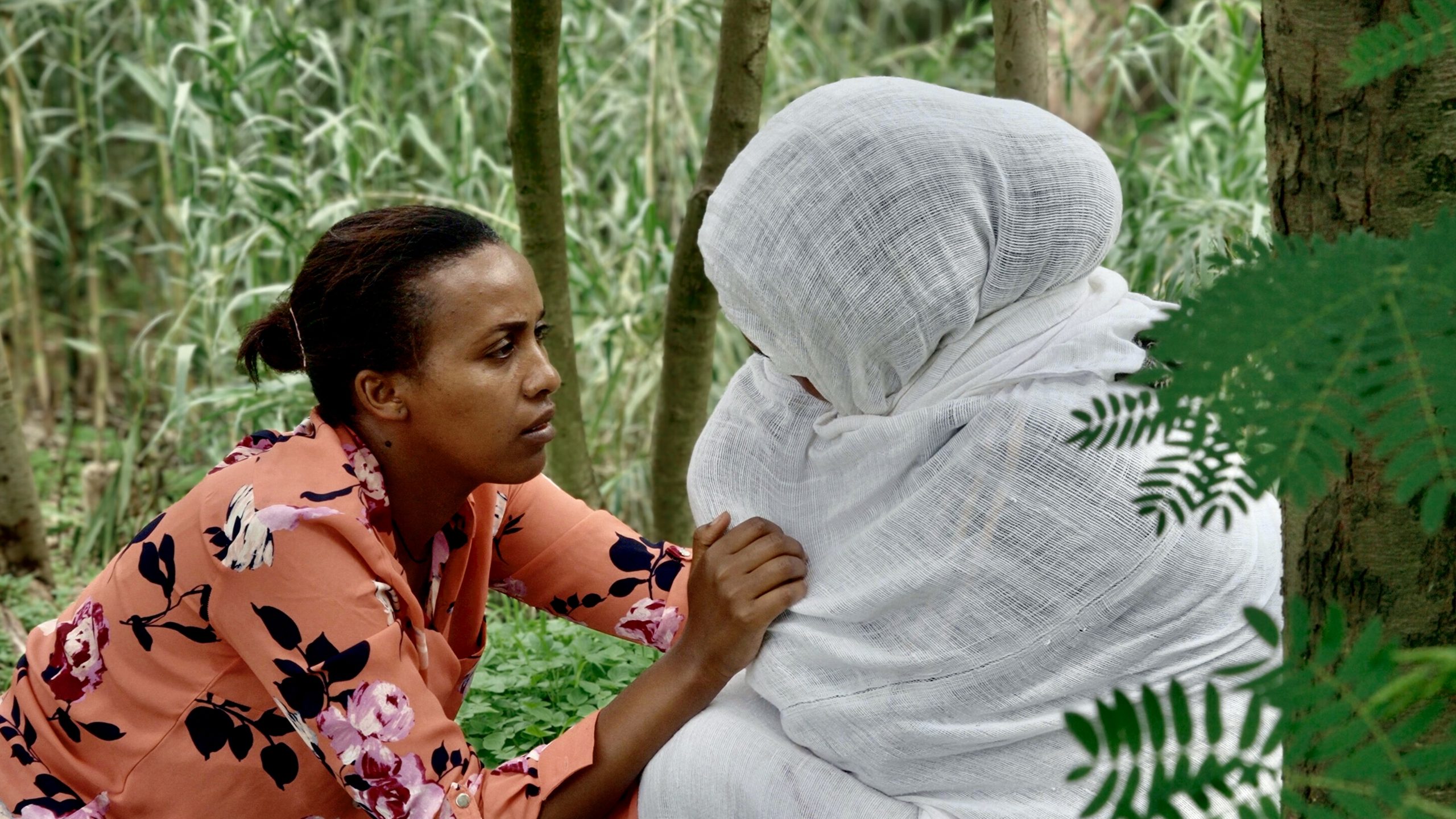
This article is written in two voices: First, Birhan Gebrekirstos Mezgbo, a researcher and advocate who lived through the Tigray war, then Veronica Blecker, director of the upcoming documentary on sexual violence in Tigray, Not Ours to Carry.
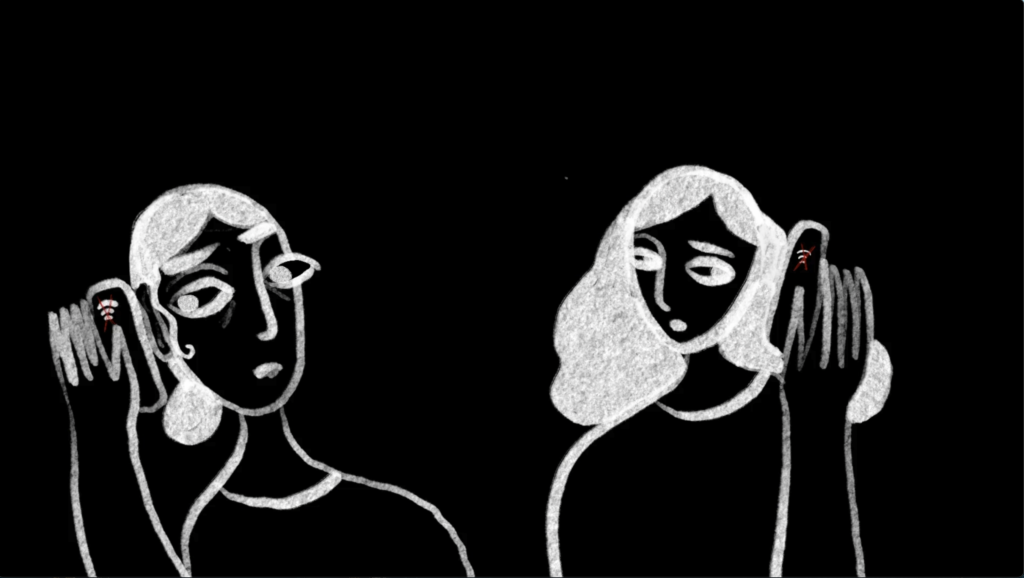
Birhan: The moment everything shut down, it felt like the world had disappeared around us. No phone. No internet. No transportation. No banking. No way to know who was alive and who was not. My mother and sister were only around 120 kilometres away from me, but suddenly they felt unreachable, like they were in another universe. I couldn’t call them, I couldn’t travel to see them, and I had no way to know if they were safe. That silence was one of the hardest things I have ever lived through. Honestly, I don’t think the word “blackout” is enough to describe it.
What made it worse was knowing that this darkness was not just about communication being cut. The darkness itself became dangerous. Everywhere you turned there was fear. Soldiers, killers, rapists, all operating inside this silence from which nobody could call for help or even tell the world what was happening. The blackout became part of the violence.
At the time, I was meeting with survivors of conflict-related sexual and gender-based violence. I still remember walking for almost three hours to reach one survivor after being told where she was staying. When I arrived, she was gone. I walked that same route again and again, trying to find her.
I never did.
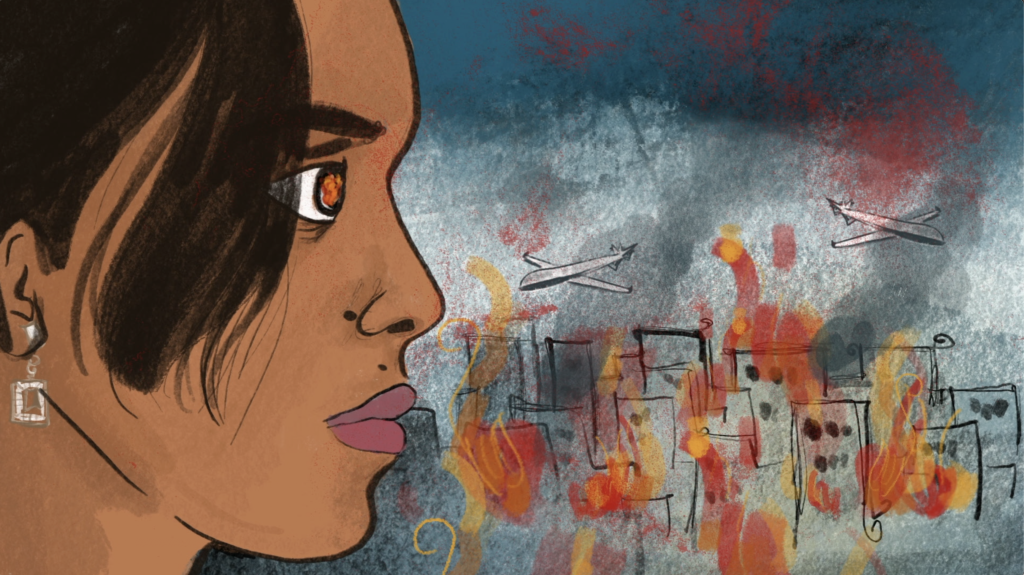
Veronica: The blackout was not simply the absence of communication. It was a weapon. The violence happened inside a closed circle, surrounded by guns and with no way in or out – not only from Tigray, but even within Tigray itself. Phone lines were cut, the internet was shut down, journalists were expelled, roads were blocked. The darkness was deliberate. It ensured that violence could happen unseen and unheard.
Birhan: For survivors of conflict-related sexual violence, this darkness was devastating. Accessing medical care, reporting abuse, or seeking support became almost impossible. Ayder Hospital in Mekelle was one of the few facilities still functioning, sustained largely by the commitment of volunteer doctors and nurses. But reaching it could take weeks or even months. Along the way, survivors often faced even more violence.
I still think about Abeba. She was raped three different times while trying to reach help in Mekelle. I often wonder whether her life would have been different if support had been available closer to where she lived. Instead, the journey to seek care exposed her to further harm. Eventually, she lost her life. For me, her story captures what the blackout did to so many survivors. The violence did not end with the assault. The darkness allowed it to continue.
Veronica: Between 2020 and 2022, an estimated 600,000 people were killed in Tigray. The Commission of Inquiry on the Situation in the Tigray Region documented more than 280,000 cases of conflict-related sexual violence. A mere 25 military convictions have followed.
Even if survivors could bring themselves to speak, to tell the world what was happening and what had happened to them, they are trapped inside a system of fear. In a system where armed men control every road and every community, speaking out can feel like a death sentence.
I arrived after the blackout had already done its work. The violence had happened in the dark. There was physical evidence – detention sites, signs of torture, a landscape scarred by war. But there was little footage of the violence as it happened. The blackout had made sure of this. Every editorial decision – how to film testimony, how to protect identities, how to structure the narrative – was made in the knowledge that the official position was that there was nothing to document. These were the decisions that shaped Not Ours to Carry.
The film captures what denial looks like in practice. One of the protagonists stands before the African Commission on Human Rights and reads survivor testimony into the official record. Later on, in the same session, the Ethiopian delegation responds on camera, rejecting in its totality what they call “baseless allegations”. The protagonist’s verdict: “Every time I go to these institutions, I feel like a clown in somebody’s circus. Going there and speaking is doing nothing but adding to their show.”
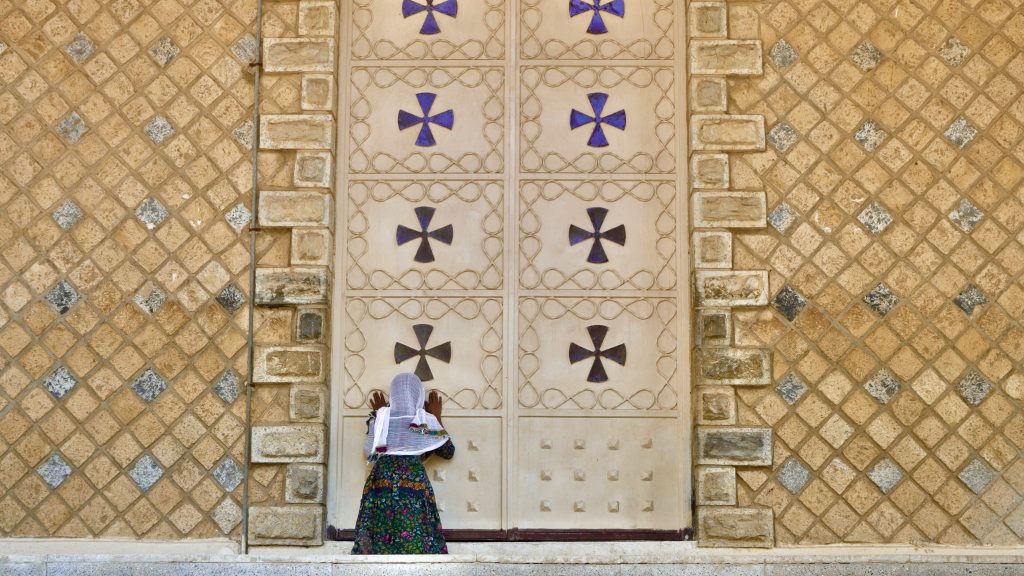
Both governments were offered the right to reply. Ethiopia rejected the allegations in their totality. Eritrea did not respond. The denial is not historical. It is ongoing. What we documented is not only a record of violence. It is a record of censorship: the systematic suppression of evidence, testimony, and truth by governments that knew exactly what silence would allow.
Survivors of conflict-related sexual violence carry two wounds. The first is what has been done to them. The second is being told that it didn’t happen – being told this by perpetrators, by institutions, by communities that impose shame rather than offer compassion and justice. The blackout prevented documentation. Then the world chose not to look. The silence did not end when the internet came back on.
Birhan: I keep speaking because the difference between me and many of the women whose stories I carry is often nothing more than luck. I witnessed their pain and suffering, and I cannot simply move on with my life and ignore it. This is not only my voice; it carries the voices of hundreds of thousands of women and girls. From four-year-old children to grandmothers in their eighties. There can be no real accountability, and no meaningful future, if those voices continue to be ignored. That silence is not only theirs to break. It is ours too.
Not Ours to Carry is premiering on 6 July at the Sevil International Women’s Documentary Film Festival, Azerbaijan’s only independent documentary film festival dedicated to women’s issues and gender equality
If readers want to support survivors directly, donations go to One Stop Centres in Tigray here: https://www.notourstocarry.com/donate