In a move designed to tackle the threat of extremism on university campuses, the UK government issued updated anti-terrorism guidelines for academics on 22 January.
The recommendations state that universities should have a clearly defined freedom of speech practice and employ a careful selection process when choosing public speakers, agreeing to share information about speakers who might advocate violence. Critics of the proposals put forth in 2006 expressed concerns that the guidelines might encourage Islamaphobia. Although the re-issued guidelines aim to increase unity on campus, some lecturers insist they are being asked to ‘police’ their students.
Full story here
NEWS
New guidelines for combating campus extremism
In a move designed to tackle the threat of extremism on university campuses, the UK government issued updated anti-terrorism guidelines for academics on 22 January. The recommendations state that universities […]
25 Jan 08
Support free expression for all
Prev
Next
At Index on Censorship, we believe everyone deserves the right to speak freely, challenge power and share ideas without fear. In a world where governments tighten control and algorithms distort the truth, defending those rights is more urgent than ever.
But free speech is not free. Instead we rely on readers like you to keep our journalism independent, our advocacy sharp and our support for writers, artists and dissidents strong.
If you believe in a future where voices aren’t silenced, help us protect it.
At Index on Censorship, we believe everyone deserves the right to speak freely, challenge power and share ideas without fear. In a world where governments tighten control and algorithms distort the truth, defending those rights is more urgent than ever.
But free speech is not free. Instead we rely on readers like you to keep our journalism independent, our advocacy sharp and our support for writers, artists and dissidents strong.
If you believe in a future where voices aren’t silenced, help us protect it.
At Index on Censorship, we believe everyone deserves the right to speak freely, challenge power and share ideas without fear. In a world where governments tighten control and algorithms distort the truth, defending those rights is more urgent than ever.
But free speech is not free. Instead we rely on readers like you to keep our journalism independent, our advocacy sharp and our support for writers, artists and dissidents strong.
If you believe in a future where voices aren’t silenced, help us protect it.
At Index on Censorship, we believe everyone deserves the right to speak freely, challenge power and share ideas without fear. In a world where governments tighten control and algorithms distort the truth, defending those rights is more urgent than ever.
But free speech is not free. Instead we rely on readers like you to keep our journalism independent, our advocacy sharp and our support for writers, artists and dissidents strong.
If you believe in a future where voices aren’t silenced, help us protect it.
At Index on Censorship, we believe everyone deserves the right to speak freely, challenge power and share ideas without fear. In a world where governments tighten control and algorithms distort the truth, defending those rights is more urgent than ever.
But free speech is not free. Instead we rely on readers like you to keep our journalism independent, our advocacy sharp and our support for writers, artists and dissidents strong.
If you believe in a future where voices aren’t silenced, help us protect it.

READ MORE
-
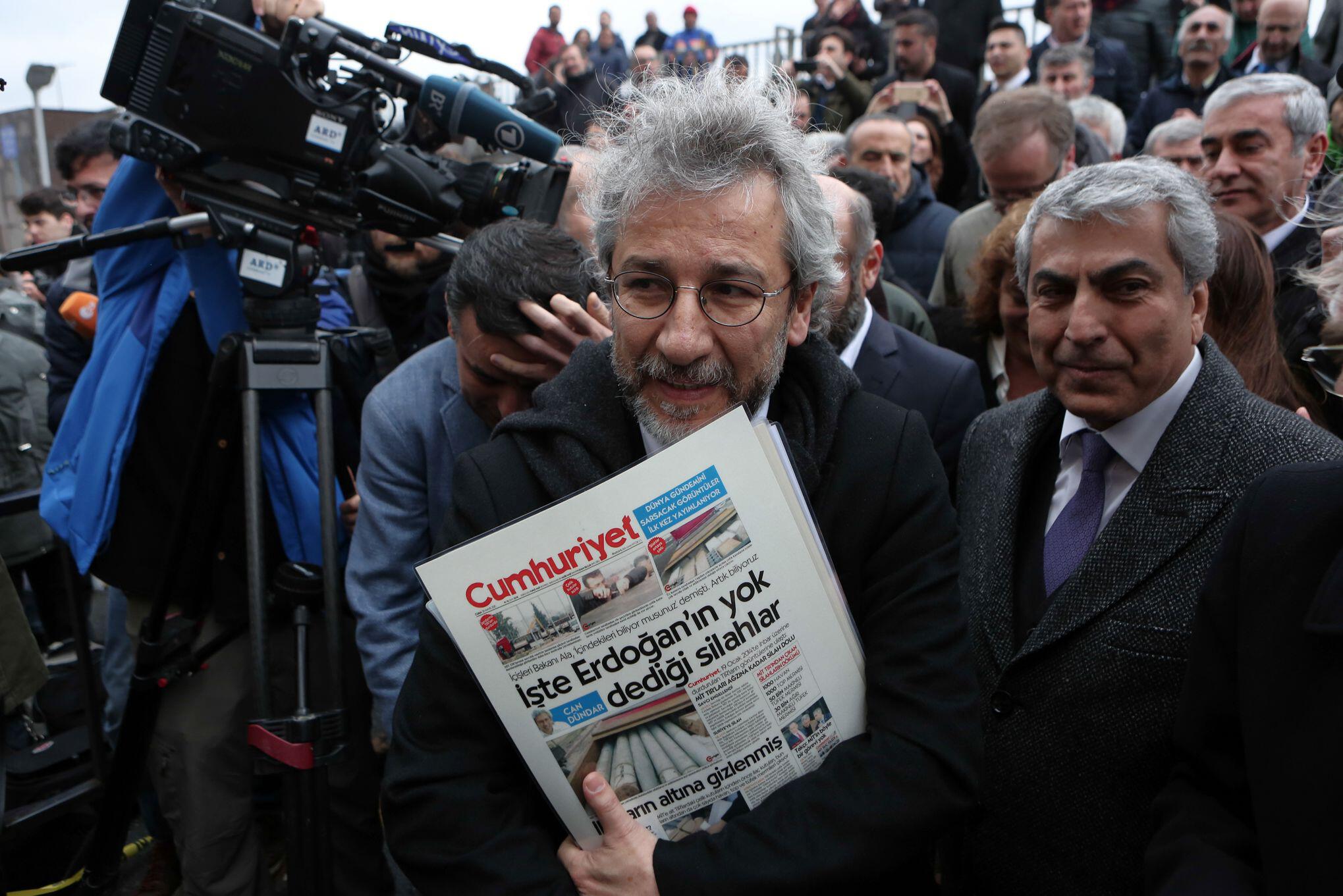
Can Dündar: The Turkish journalist who met his killer
An interview with the exiled former editor of Cumhuriyet who was contacted by the hitman who was supposed to silence him forever
-

In Hong Kong, force majeure means political pressure
Hong Kong authorities are using the blanket term to stifle events and voices which they find uncomfortable
-
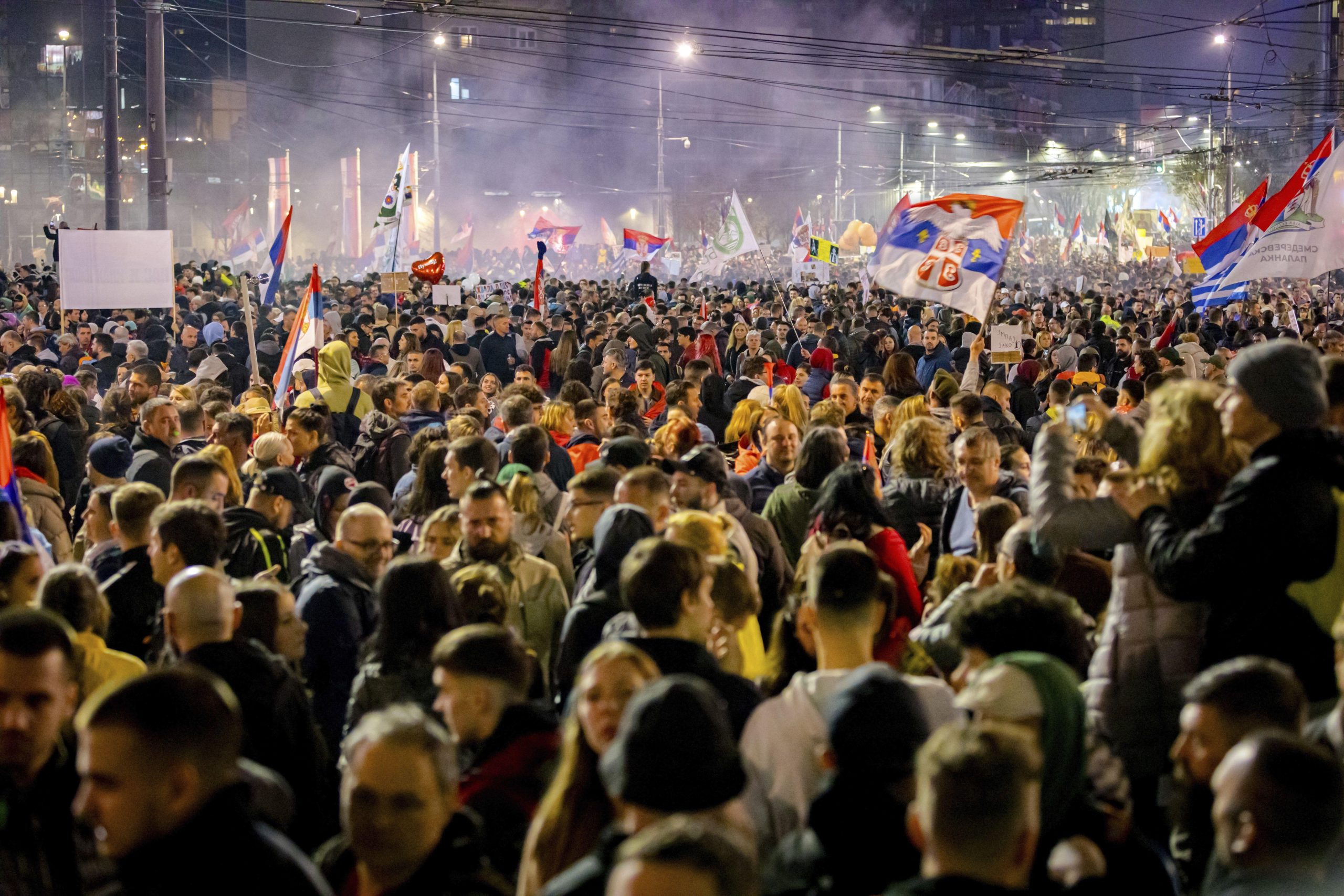
On the ground in Serbia: Student protests lead to crackdown on human rights
Protesters are being intimidated and having spyware uploaded to their phones as stand-off escalates
-
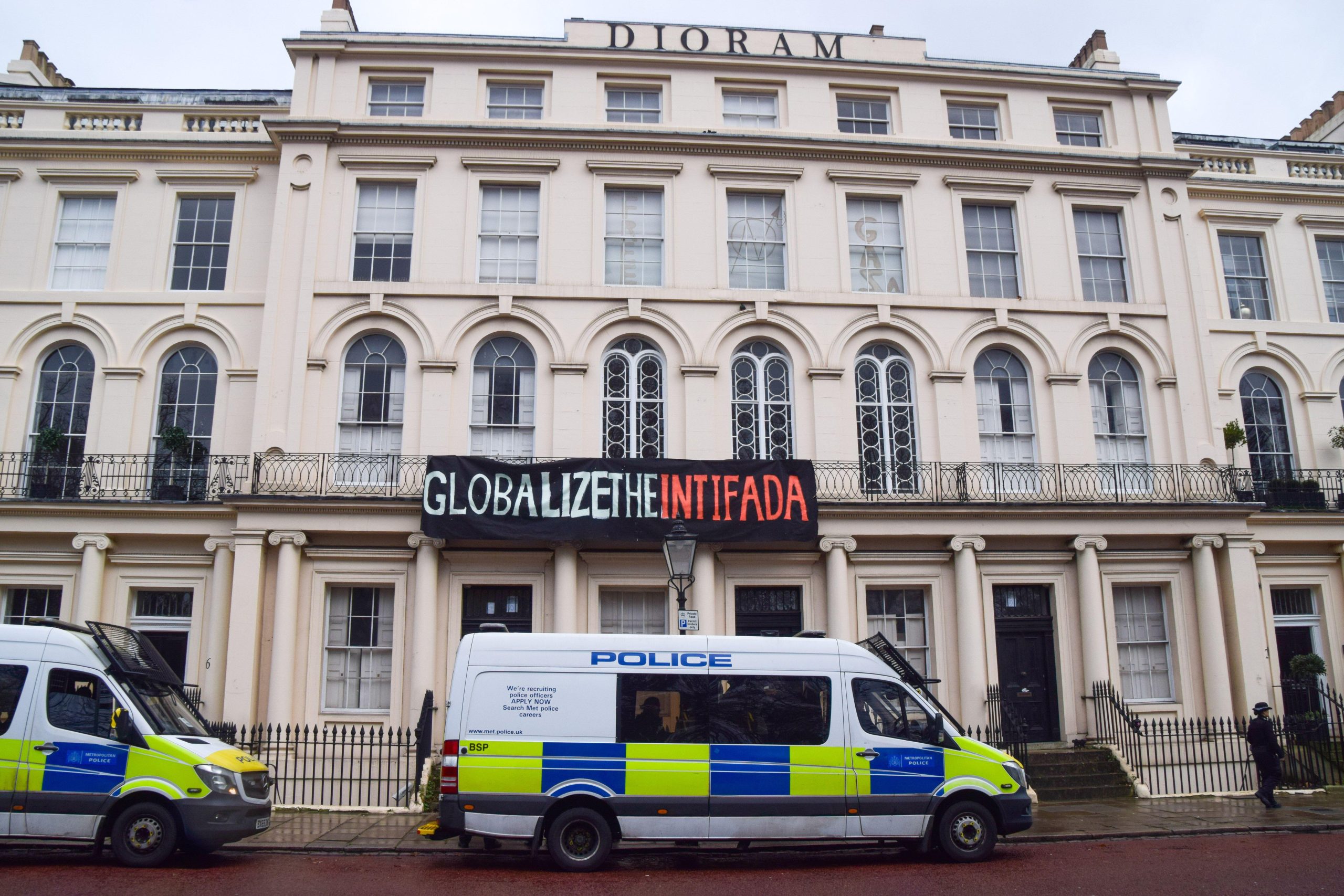
Should the phrase “globalise the intifada” be banned?
In the wake of the Bondi atrocity, Index says freedom of expression includes not only the right to speak but the responsibility to do so with care