
At least nine Lebanese journalists have been attacked whilst covering ongoing clashes in Syria over the last month in four separate incidents. On 10 June, Ghadi Francis from Beirut-based TV station Al-Jadeed was attacked by the bodyguard of a politician participating in the internal elections of the local Syrian Social Nationalist Party. Francis was punched in the face and kicked several times. Firas Shoufi, another journalist, attempted to intervene, but was also beaten. On 21 May, cameraman Naji Mazboudi was threatened and beaten. Another Al-Jadeed journalist Rona al-Halabi and two cameramen were attacked by a group of unidentified men whilst covering clashes near the northern road of al-Abdanear Tripoli on 20 May. Similarly, a news crew from Russia Today were attacked and had their equipment destroyed on 17 May.
NEWS
Support free expression for all
At Index on Censorship, we believe everyone deserves the right to speak freely, challenge power and share ideas without fear. In a world where governments tighten control and algorithms distort the truth, defending those rights is more urgent than ever.
But free speech is not free. Instead we rely on readers like you to keep our journalism independent, our advocacy sharp and our support for writers, artists and dissidents strong.
If you believe in a future where voices aren’t silenced, help us protect it.
At Index on Censorship, we believe everyone deserves the right to speak freely, challenge power and share ideas without fear. In a world where governments tighten control and algorithms distort the truth, defending those rights is more urgent than ever.
But free speech is not free. Instead we rely on readers like you to keep our journalism independent, our advocacy sharp and our support for writers, artists and dissidents strong.
If you believe in a future where voices aren’t silenced, help us protect it.
At Index on Censorship, we believe everyone deserves the right to speak freely, challenge power and share ideas without fear. In a world where governments tighten control and algorithms distort the truth, defending those rights is more urgent than ever.
But free speech is not free. Instead we rely on readers like you to keep our journalism independent, our advocacy sharp and our support for writers, artists and dissidents strong.
If you believe in a future where voices aren’t silenced, help us protect it.
At Index on Censorship, we believe everyone deserves the right to speak freely, challenge power and share ideas without fear. In a world where governments tighten control and algorithms distort the truth, defending those rights is more urgent than ever.
But free speech is not free. Instead we rely on readers like you to keep our journalism independent, our advocacy sharp and our support for writers, artists and dissidents strong.
If you believe in a future where voices aren’t silenced, help us protect it.
At Index on Censorship, we believe everyone deserves the right to speak freely, challenge power and share ideas without fear. In a world where governments tighten control and algorithms distort the truth, defending those rights is more urgent than ever.
But free speech is not free. Instead we rely on readers like you to keep our journalism independent, our advocacy sharp and our support for writers, artists and dissidents strong.
If you believe in a future where voices aren’t silenced, help us protect it.

READ MORE
-
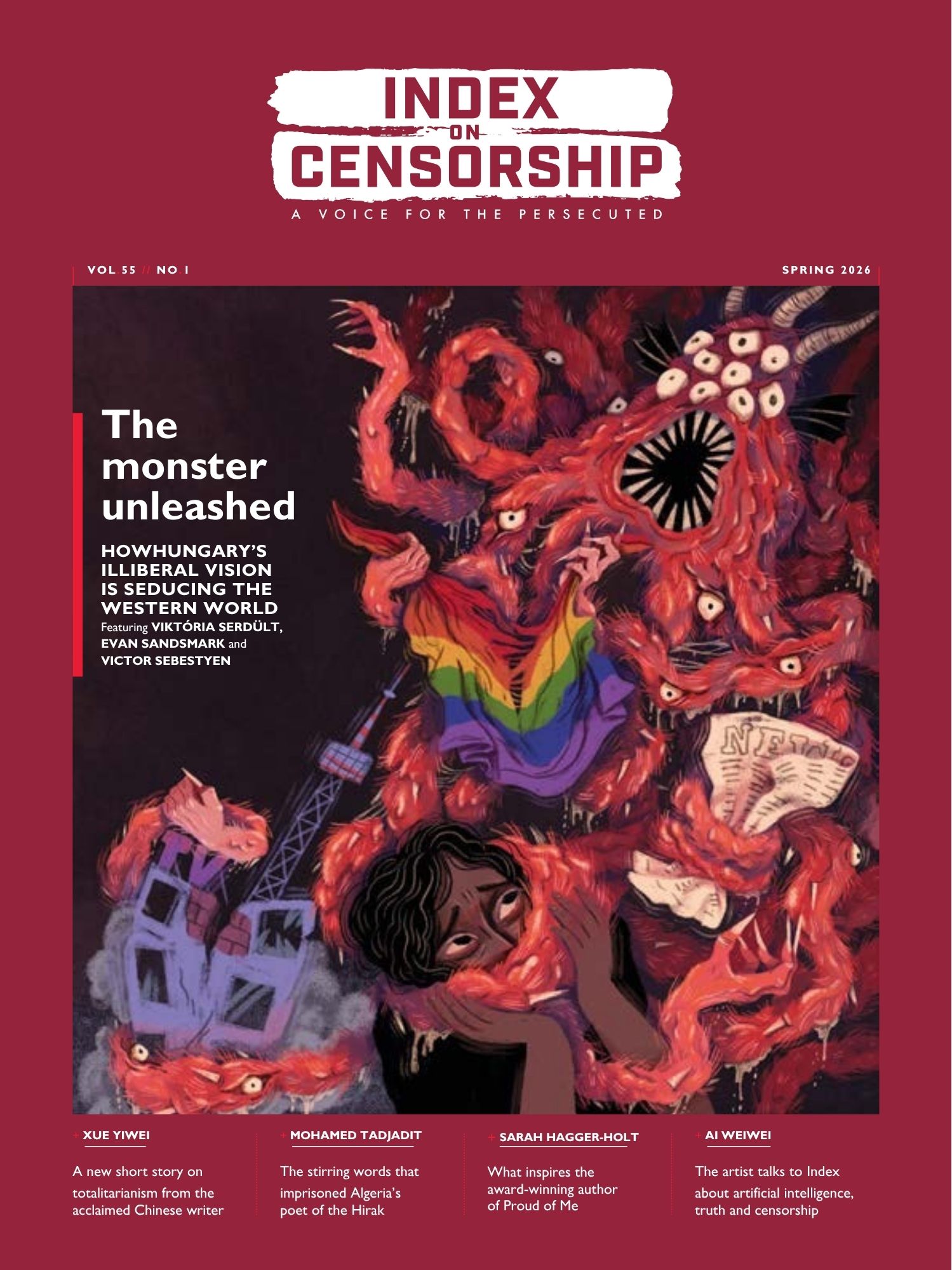
Contents – The monster unleashed: How Hungary’s illiberal vision is seducing the western world
Contents
-
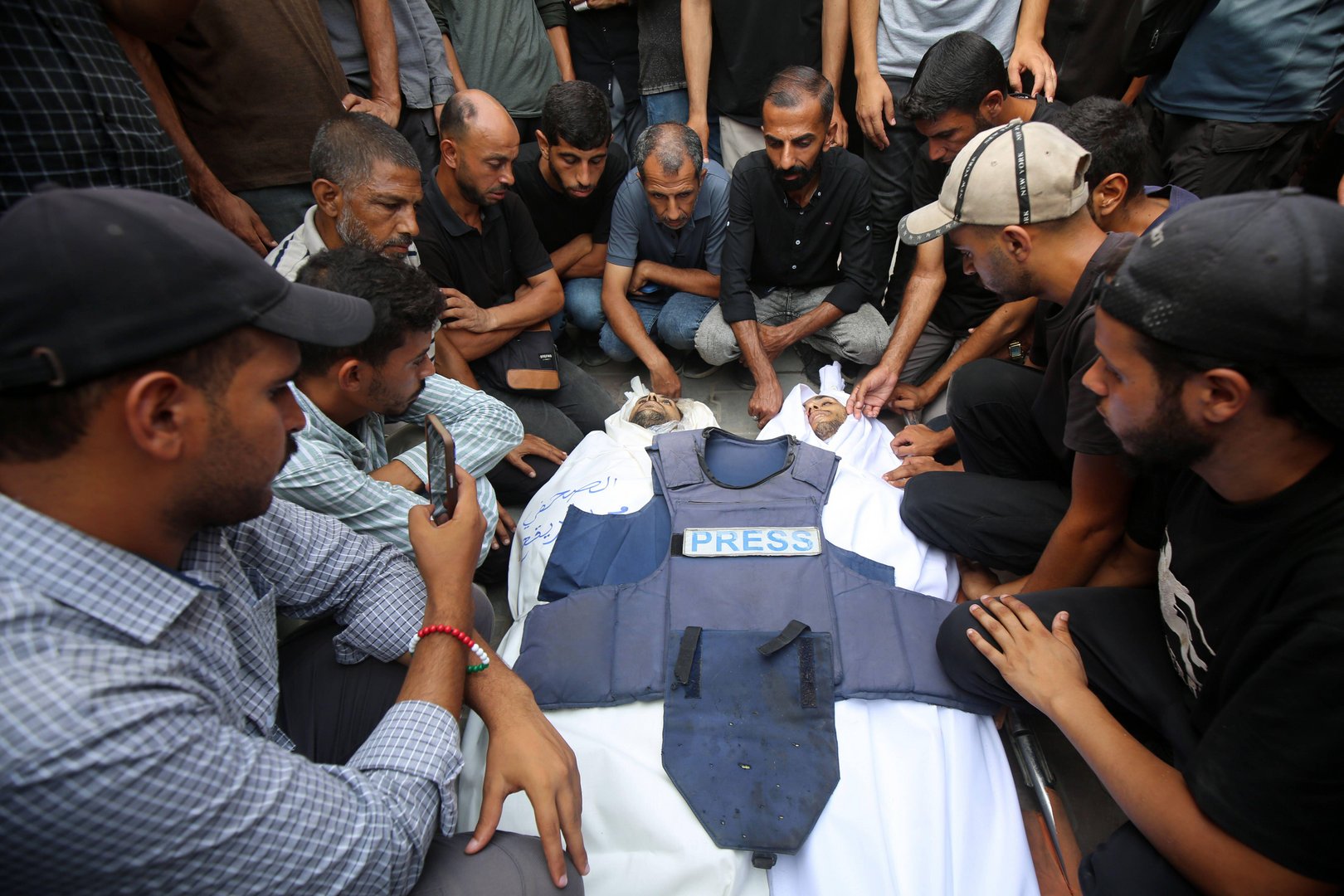
Smearing, harassing, criminalising and killing is no longer the exception for journalists
Read below former Index CEO and now the chief executive of the Committee to Project Journalists Jodie Ginsberg's powerful James Cameron Memorial Le...
-
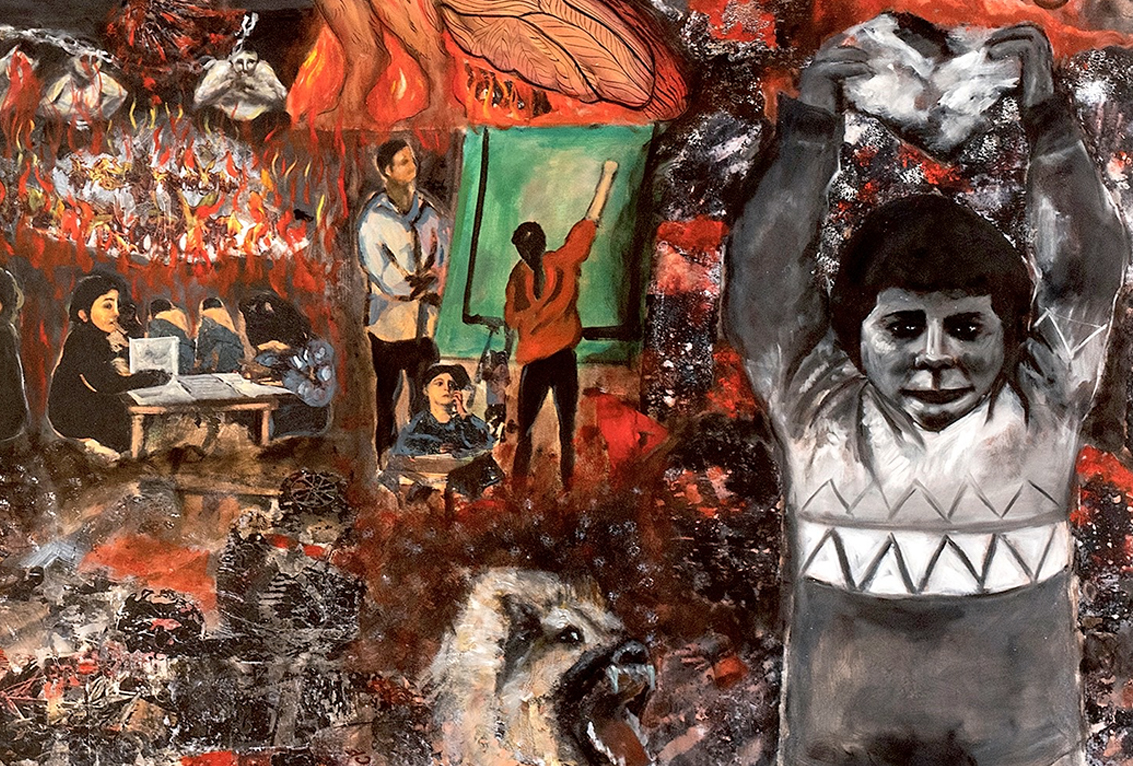
The exclusion of Palestinian voices means the same mistakes are being made on Gaza
In 1993, the Oslo Accords promised peace in the Middle East. Thirty-two years on, a new peace initiative seeks to extract the same out of the wreck...
-
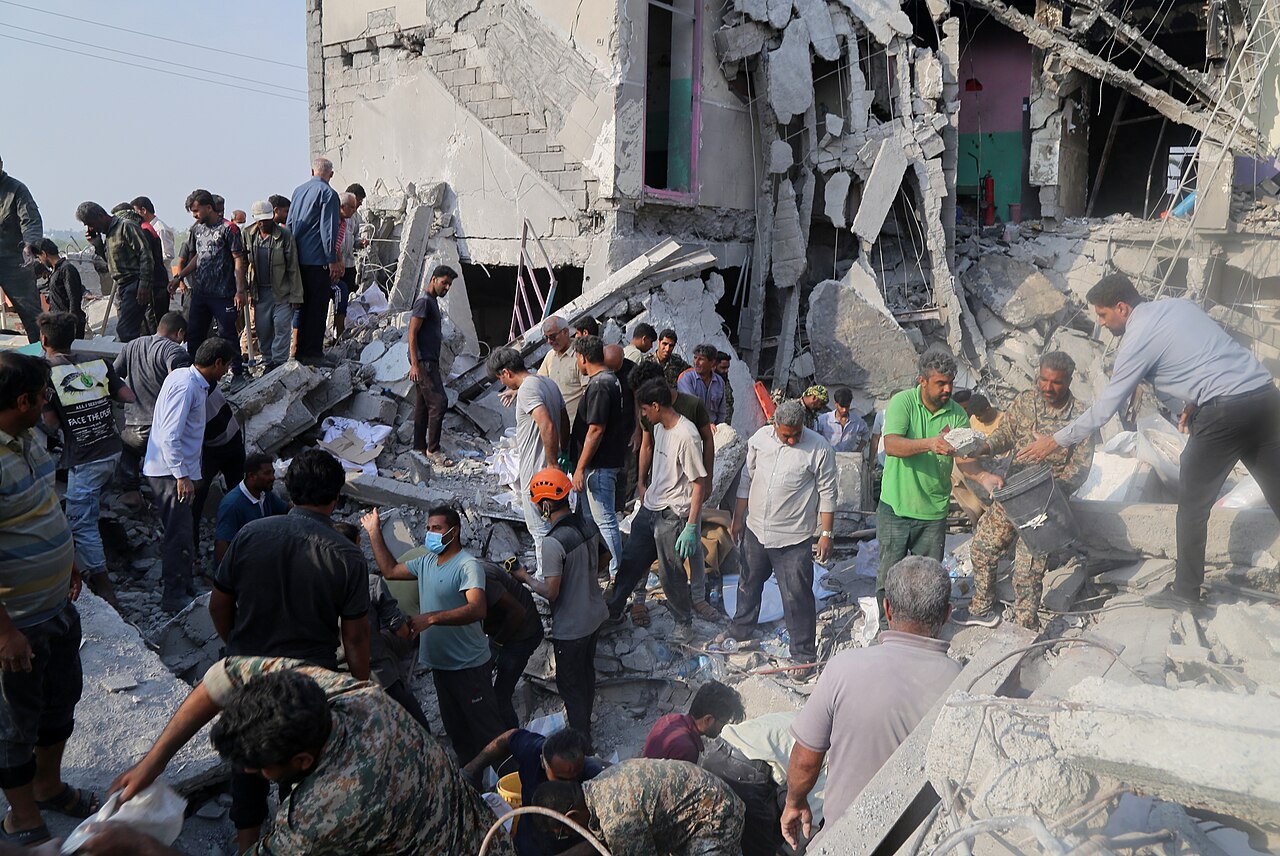
Truth dies when you fire the fact-checkers
Experts who can spot the red flags and contextualise the information we receive aren’t free-speech enemies