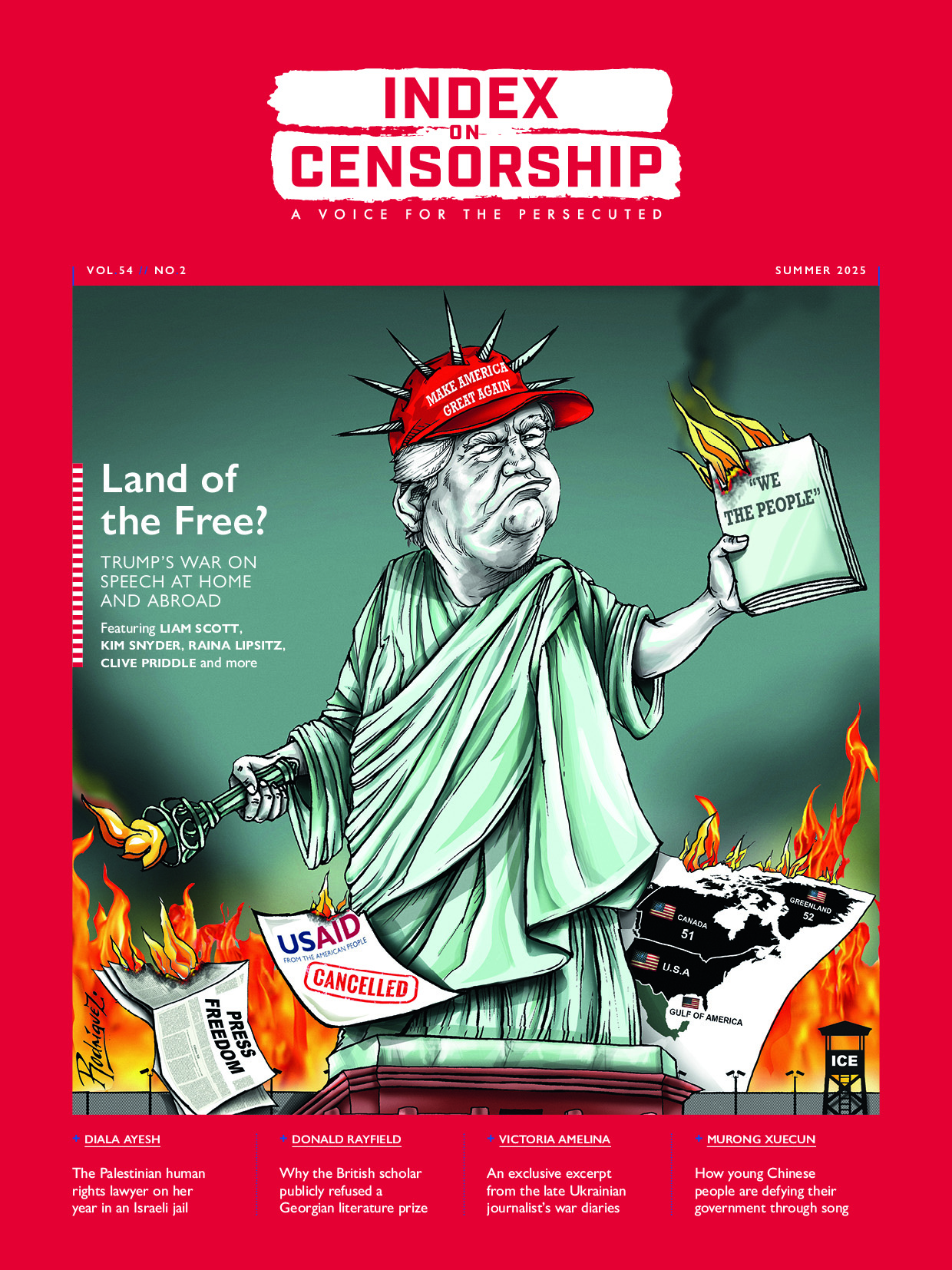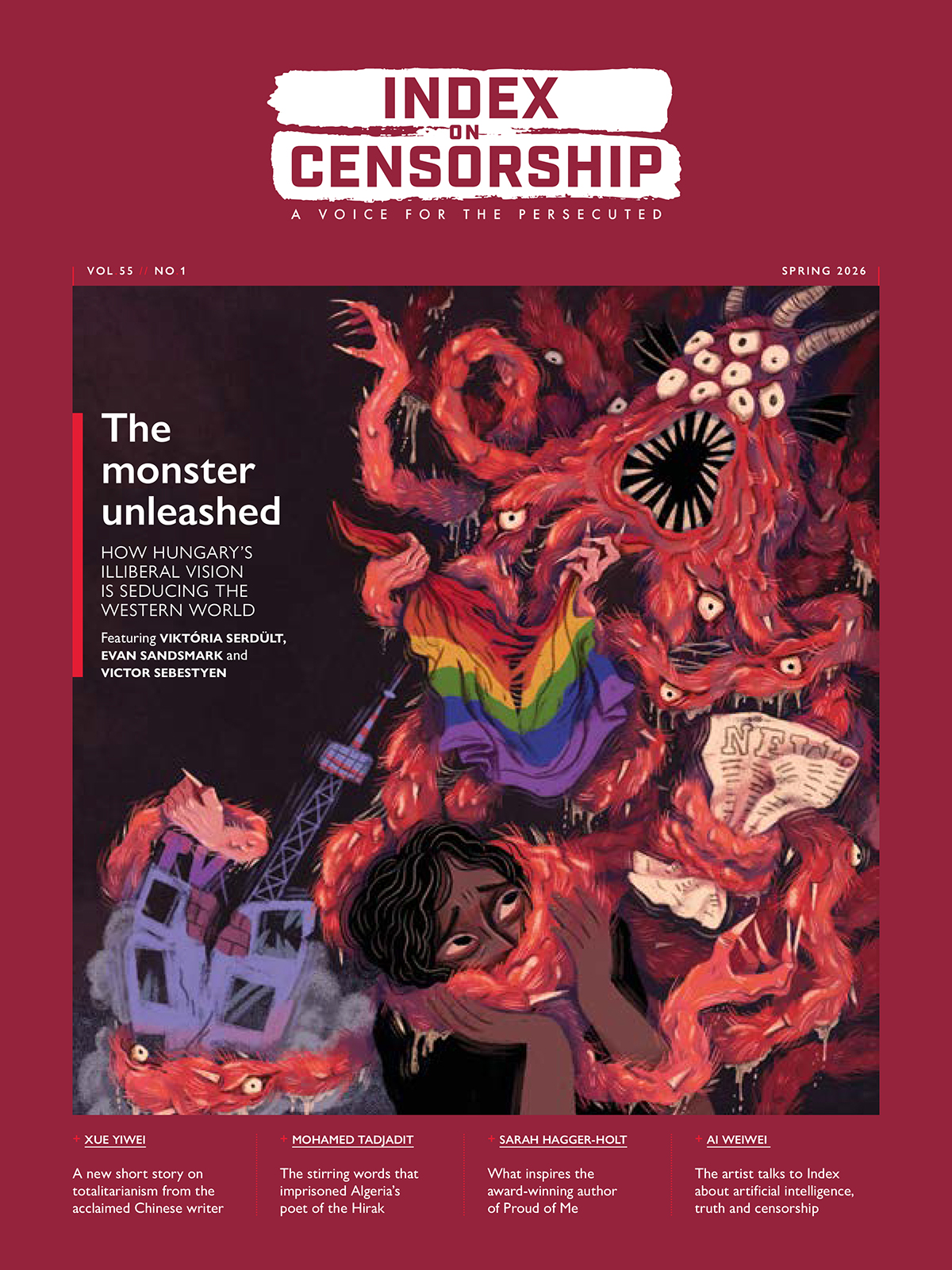
Hungary has been on our radar for a long time. The prime minister Viktor Orbán is not an autocrat like Russia’s Vladimir Putin, but he has been slowly eroding his society’s democratic institutions and helping his Fidesz party allies take them over. It’s meant not only that power is increasingly concentrated in the hands of a few billionaires, but that the public space for freedom of expression and pluralistic thought has been narrowed.
President Donald Trump’s MAGA movement has been fascinated with the Orbán model and how Hungary became what Orbán himself has described as an illiberal democracy. Many powerful MAGA figures would not only like the USA but also other countries in Europe to follow suit. Orbán is an ally who wants to weaken the principles on which the European project was founded.
So what happens now after Magyar’s landslide win in the 12 April election?
Featuring

Evan Sandsmark
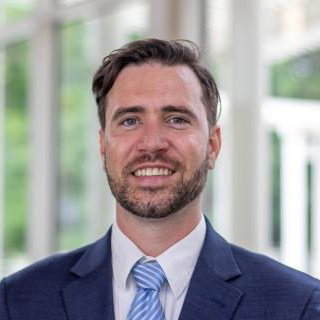
Evan Sandsmark is a postdoctoral researcher in the Department of Systematic Theology and Ethics at the University of Vienna who has written for publications such as The Washington Post, Haaretz and the Virginian-Pilot among others.
Victor Sebestyen
Victor Sebestyen was born in Budapest. He was a child when his family left Hungary as refugees. He has worked for numerous British newspapers, including the London Evening Standard and The Mail on Sunday, and has written for American papers such as The New York Times. He was also an editor at Newsweek. Sebastyen reported widely from Russia and Eastern Europe when Communism and the USSR collapsed, and covered the wars in former Yugoslavia. He is the author of Lenin the Dictator (2017), Revolution 1989: The Fall of the Soviet Empire (2009), and two books about Hungary, Twelve Days: The 1956 Hungarian Revolution (2006) and Budapest: Between East and West (2022).
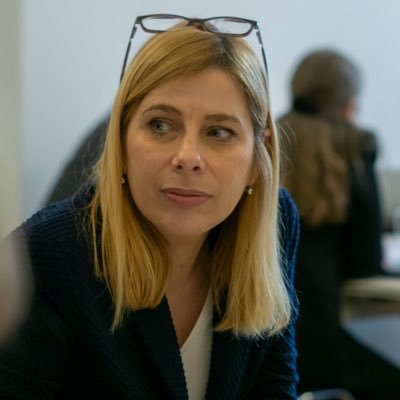

Viktória Serdült
Viktória Serdült is a journalist and editor of Hungarian newspaper HVG
In this issue