
Military rulers in Egypt have frozen licenses for new private satellite TV stations, claiming they are inciting violence in an “increasingly chaotic media scene.” Activists are claiming that these restrictions on freedom of expression are similar to those put in place under President Hosni Mubarak. Mubarak’s previous governments had imprisoned journalists for their coverage of his health and other sensitive issues. During the protests that led to Mubarak’s downfall, authorities banned Al-Jazeera TV and revoked the press credentials of its journalists. Communication Minister Osama Heikal said the freeze was temporary.
NEWS
Egypt: Authorities freeze new satellite TV station licenses
Military rulers in Egypt have frozen licenses for new private satellite TV stations, claiming they are inciting violence in an “increasingly chaotic media scene.” Activists are claiming that these restrictions on […]
09 Sep 2011
Support free expression for all
Prev
Next
At Index on Censorship, we believe everyone deserves the right to speak freely, challenge power and share ideas without fear. In a world where governments tighten control and algorithms distort the truth, defending those rights is more urgent than ever.
But free speech is not free. Instead we rely on readers like you to keep our journalism independent, our advocacy sharp and our support for writers, artists and dissidents strong.
If you believe in a future where voices aren’t silenced, help us protect it.
At Index on Censorship, we believe everyone deserves the right to speak freely, challenge power and share ideas without fear. In a world where governments tighten control and algorithms distort the truth, defending those rights is more urgent than ever.
But free speech is not free. Instead we rely on readers like you to keep our journalism independent, our advocacy sharp and our support for writers, artists and dissidents strong.
If you believe in a future where voices aren’t silenced, help us protect it.
At Index on Censorship, we believe everyone deserves the right to speak freely, challenge power and share ideas without fear. In a world where governments tighten control and algorithms distort the truth, defending those rights is more urgent than ever.
But free speech is not free. Instead we rely on readers like you to keep our journalism independent, our advocacy sharp and our support for writers, artists and dissidents strong.
If you believe in a future where voices aren’t silenced, help us protect it.
At Index on Censorship, we believe everyone deserves the right to speak freely, challenge power and share ideas without fear. In a world where governments tighten control and algorithms distort the truth, defending those rights is more urgent than ever.
But free speech is not free. Instead we rely on readers like you to keep our journalism independent, our advocacy sharp and our support for writers, artists and dissidents strong.
If you believe in a future where voices aren’t silenced, help us protect it.
At Index on Censorship, we believe everyone deserves the right to speak freely, challenge power and share ideas without fear. In a world where governments tighten control and algorithms distort the truth, defending those rights is more urgent than ever.
But free speech is not free. Instead we rely on readers like you to keep our journalism independent, our advocacy sharp and our support for writers, artists and dissidents strong.
If you believe in a future where voices aren’t silenced, help us protect it.

READ MORE
-
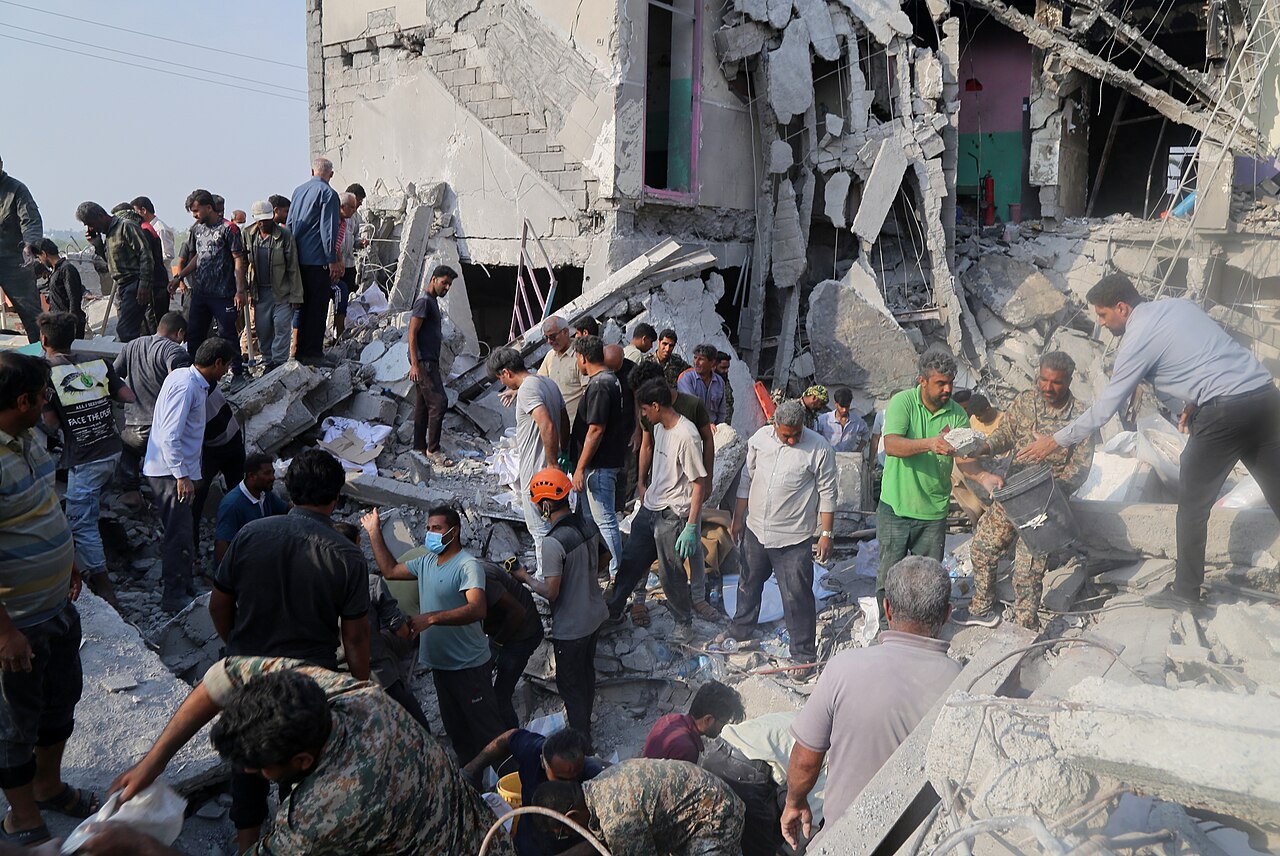
Truth dies when you fire the fact-checkers
Experts who can spot the red flags and contextualise the information we receive aren’t free-speech enemies
-
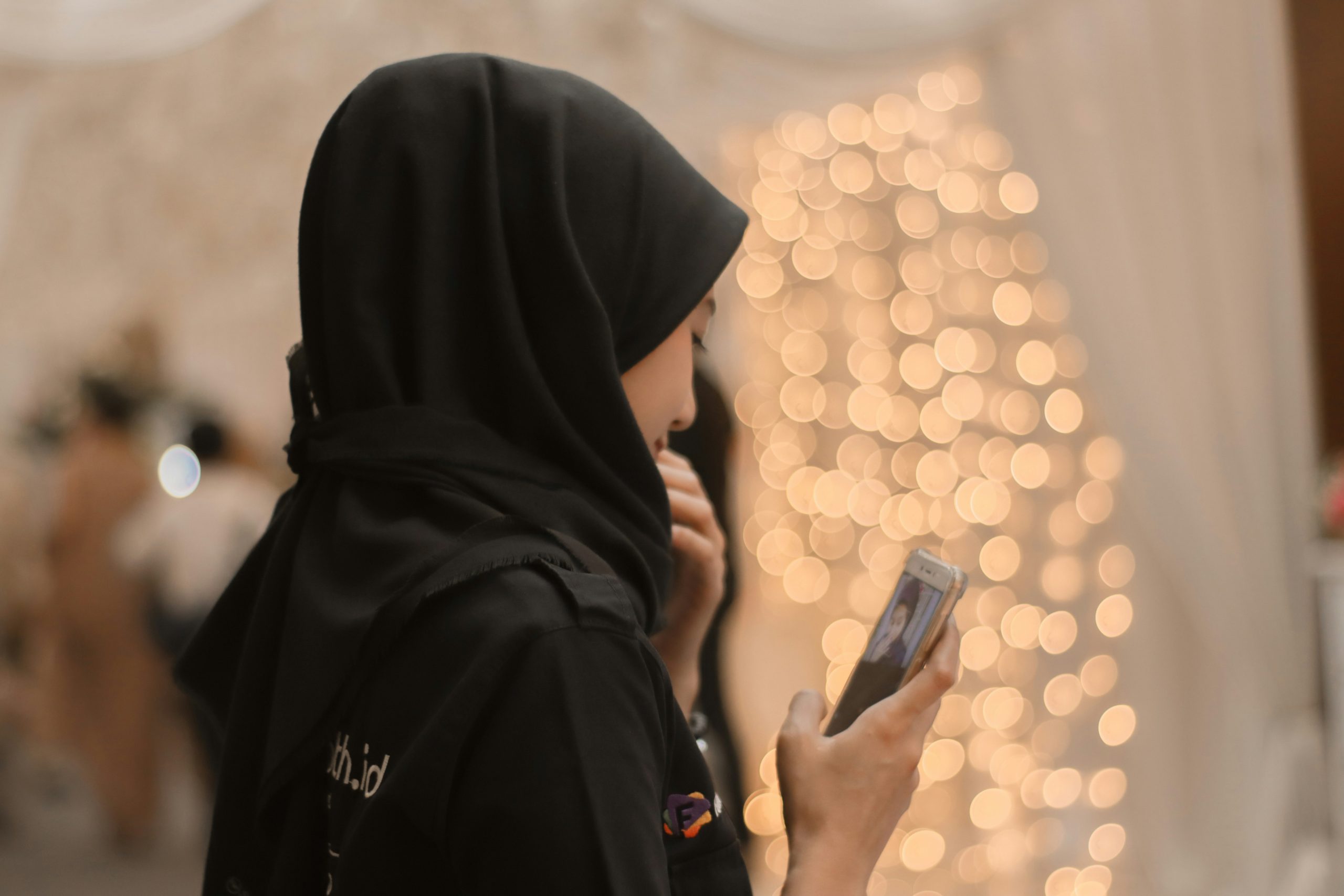
Offline by decree: Iran’s war on the internet
In wartime, sharing photos of bombed locations or even accessing the internet could get you prosecuted for collaborating with the enemy
-
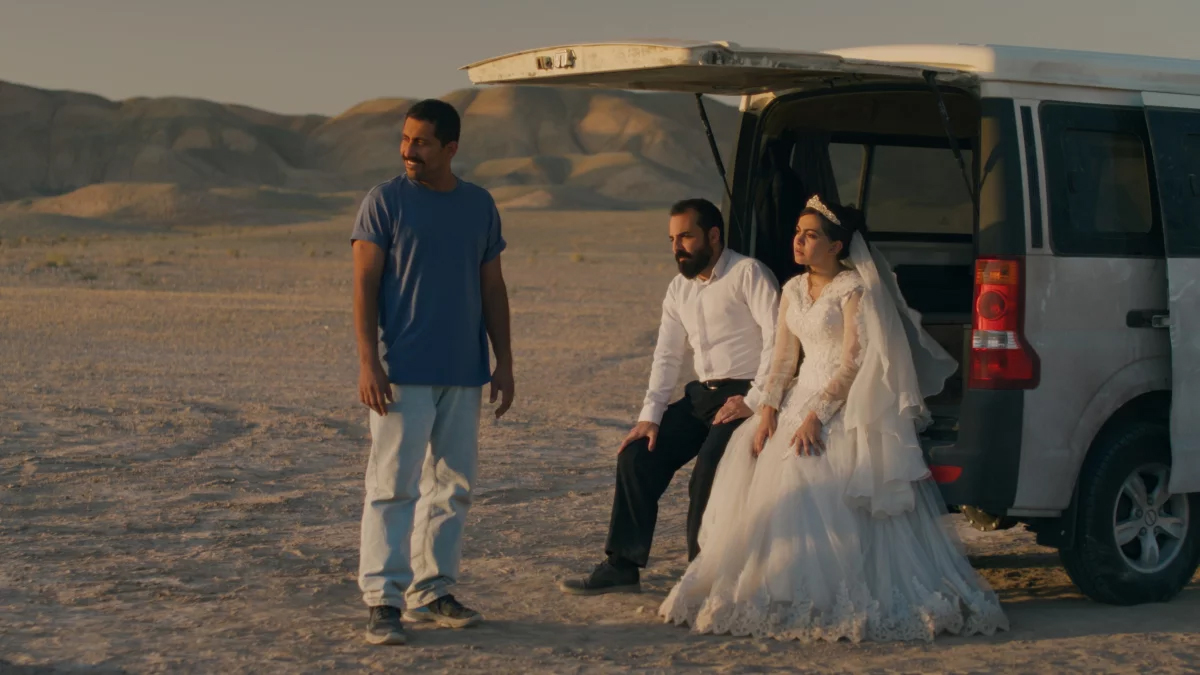
Iran: “Whoever we blame – this moment is overwhelming”
To be an Iranian dissident must be profoundly confusing. The autocratic ayatollah has been killed but there is no succession plan
-
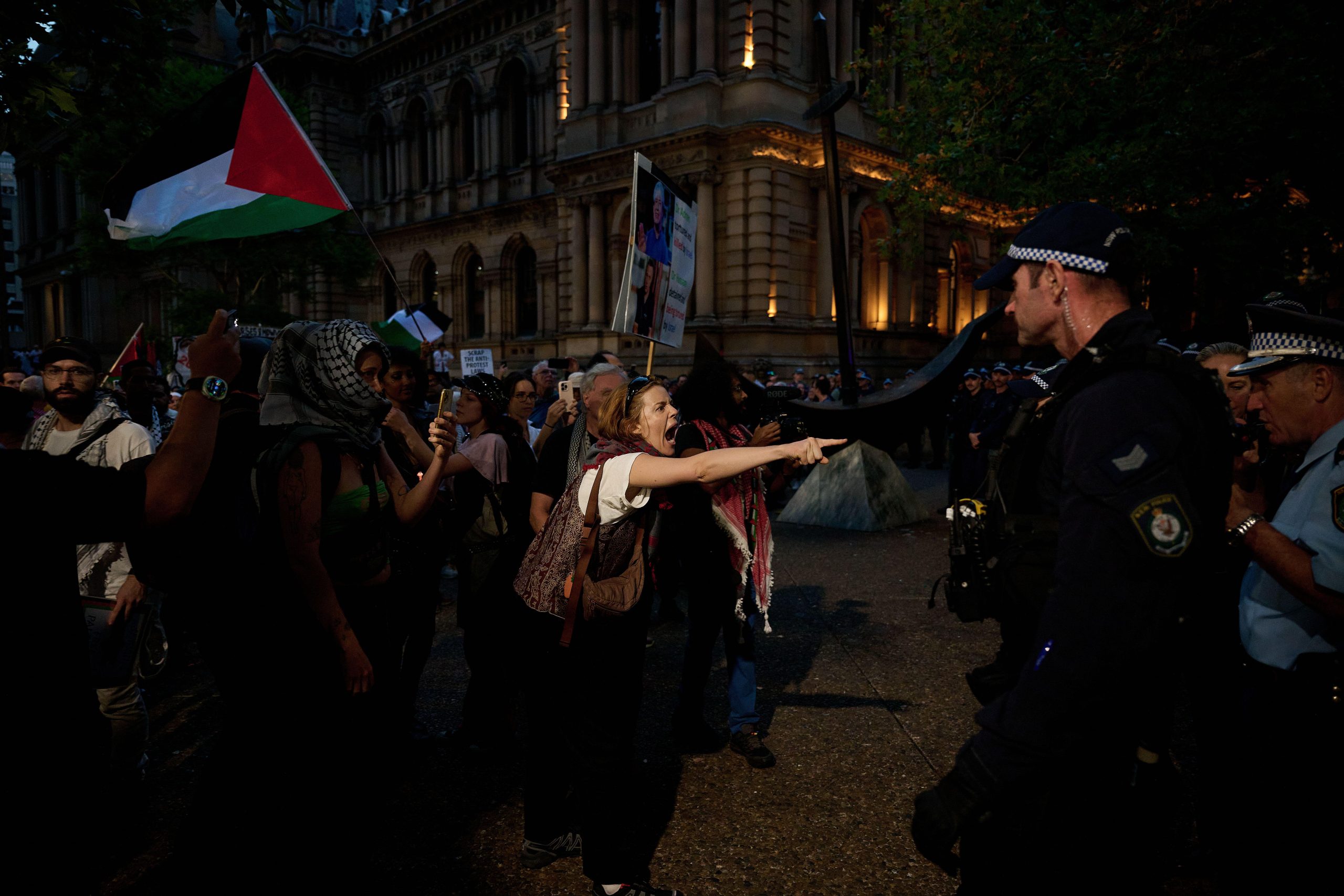
Australia cracks down on protest
Demonstrations against Israeli President Isaac Herzog have been met by a brutal police response