Turkey’s recent experience with Twitter shows classic authoritarianism is based on merging civic responsibility with a leader’s aspirations. Binoy Kampmark writes.
Banning Twitter: The Turkish media experiment
read more

Turkey’s recent experience with Twitter shows classic authoritarianism is based on merging civic responsibility with a leader’s aspirations. Binoy Kampmark writes.
Turkey’s late night decision to block Twitter last evening is emblematic of the increasing authoritarian tendencies of the prime minister Recep Erdogan.
The Turkish government continues to threaten internet freedom, placing added pressure on social media platforms, writes Catherine Stupp

International Freedom of Expression 2014 Arts Award Nominee and renowned Turkish playwright and novelist Meltem Arikan answered questions about her nomination during a Twitter chat with Index on Censorship
Conflict, corruption and corporate power mean that Turkey’s media workers can easily find themselves on the wrong side of the law, says Selina Bieber
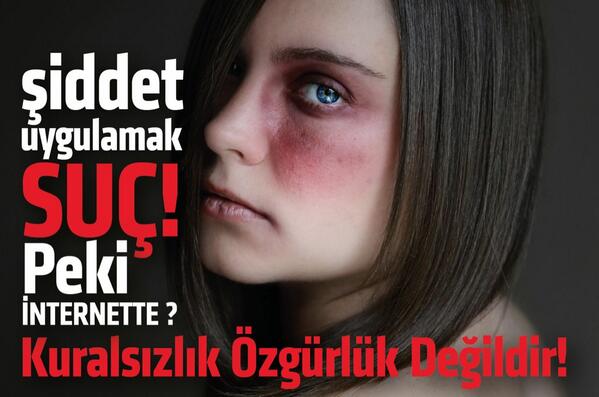
Over the past few weeks, the ruling Justice and Development Party (AKP) in Turkey has deployed a curated mix of paid-for advertising, op-eds in pro-government newspapers, tweets and off-the-cuff press statements to justify their curbs on internet freedom. Alastair Sloan reports
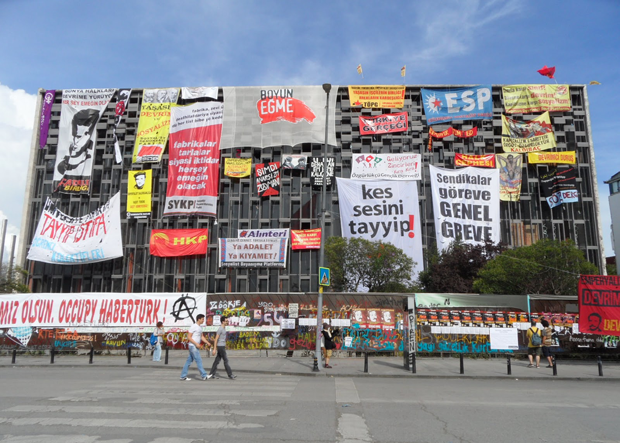
Limitations and challenges to freedom of expression and of assembly in Turkey have – once again – come to international attention over the past year. But despite this, censorship of the arts is often unreported.

A companion report: Developments in cultural policy and its effects on freedom of the arts, Ankara As we have shown in previous publications, artists engaged in the Kurdish rights struggle are differentially affected by limitations to freedom of...
A companion report: Freedom of expression in the arts and censorship in Kurdish Region, Diyarbakir, Batman In the course of its research Siyah Bant has conceptualized censorship not just as the banning of artistic expression through legal means but...
The specifics regarding website censorship and data gathering in the recently approved amendments to Turkey’s controversial internet law remain murky, writes Catherine Stupp