Roshaan Khattak’s research into human rights abuses in Balochistan led to death threats.

Complicity in a subfusc: How Cambridge facilitates transnational repression
read more

Roshaan Khattak’s research into human rights abuses in Balochistan led to death threats.
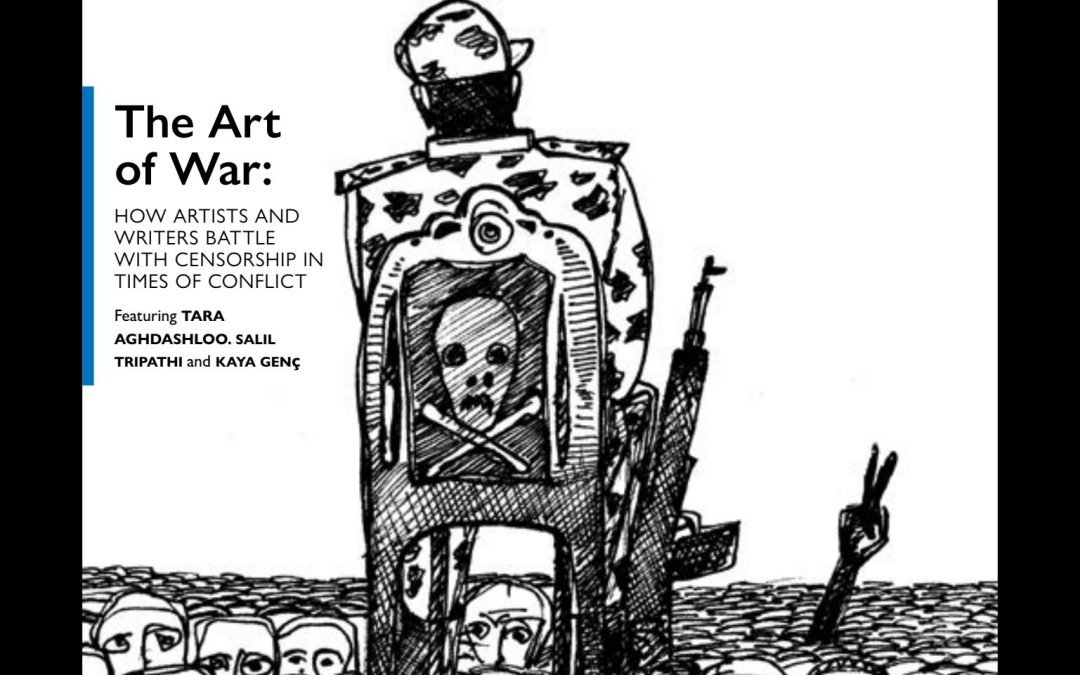
Volume 55.02 Summer 2026
Contents

There is a new Bangladesh Nationalist Party government but the burning down of newspaper offices last year does not bode well for the future
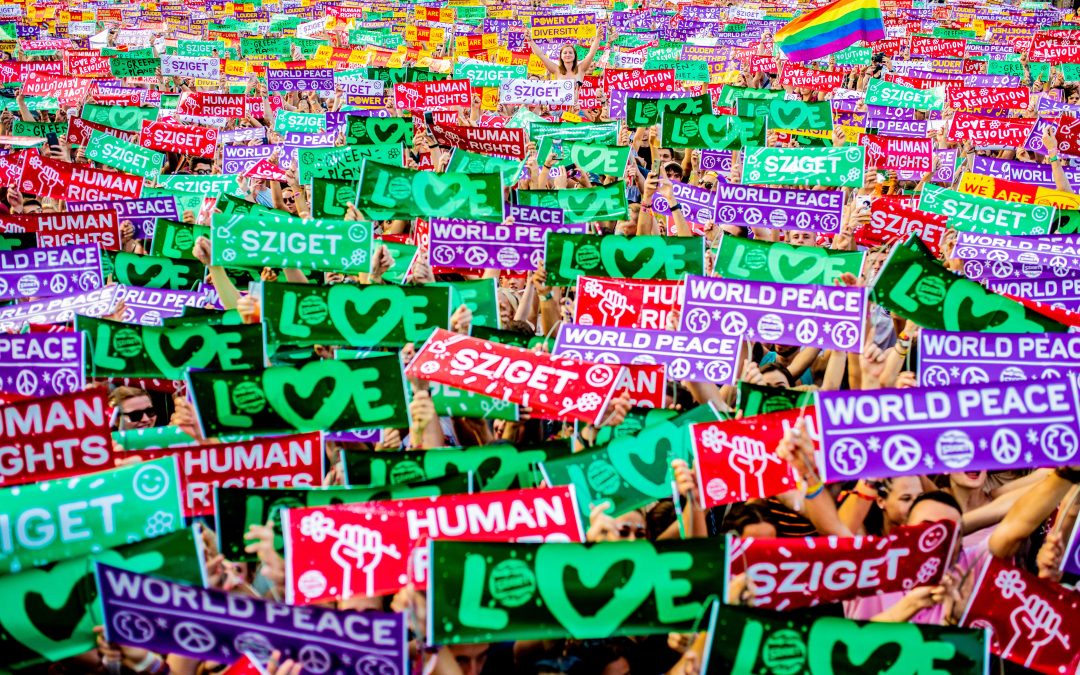
The co-founder of a Budapest festival that grew out of the fall of Communism in Hungary speaks to Index about freedom of expression

When Slaughterhouse-Five was burned by a North Dakota school, its writer acted. Half a century later Nanette Vonnegut is also challenging book bans
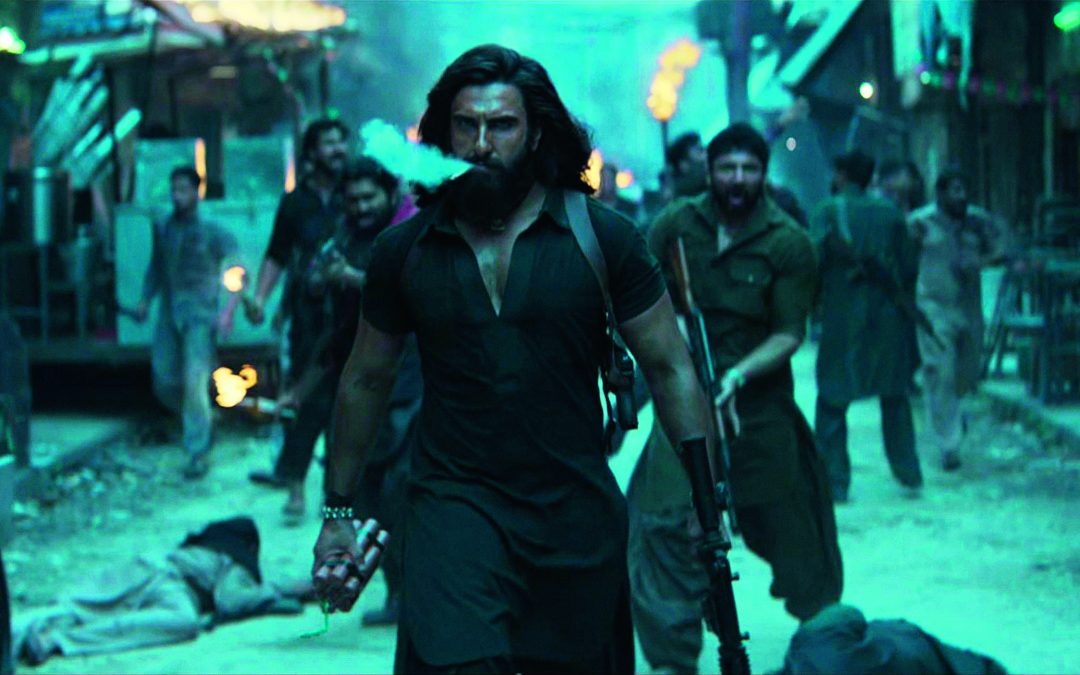
Index discusses the anti-Muslim films coming out of Bollywood

Index talks to the acclaimed Chinese artist about his new book on censorship

A former member of the protest band explains how she left a career in St Petersburg’s police force to become a political dissident

The voice of the Hirak movement faces the death penalty for highlighting the challenges facing the country’s youth through his words
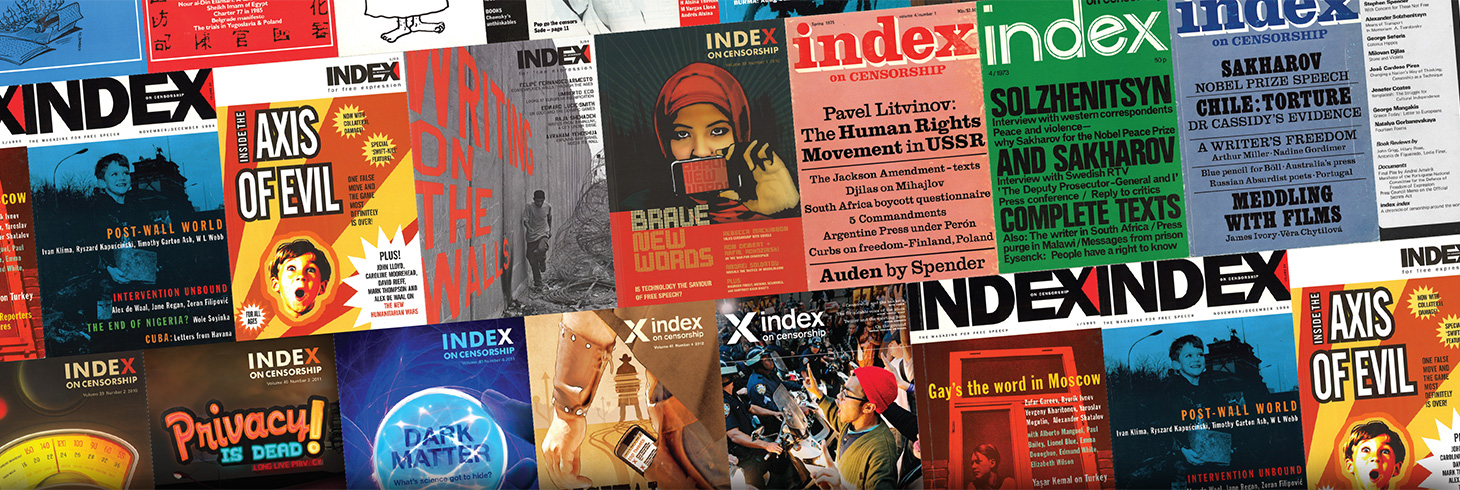
A quarterly journal set up in 1972, Index on Censorship magazine has published oppressed writers and refused to be silenced across hundreds of issues.
The brainchild of the poet Stephen Spender, and translator Michael Scammell, the magazine’s very first issue included a never-before-published poem, written while serving a sentence in a labour camp, by the Soviet dissident Aleksandr Solzhenitsyn, who went on to win a Nobel prize later that year.
The magazine continued to be a thorn in the side of Soviet censors, but its scope was far wider. From the beginning, Index declared its mission to stand up for free expression as a fundamental human right for people everywhere – it was particularly vocal in its coverage of the oppressive military regimes of southern Europe and Latin America but was also clear that freedom of expression was not only a problem in faraway dictatorships. The winter 1979 issue, for example, reported on a controversy in the United States in which the Public Broadcasting Service had heavily edited a documentary about racism in Britain and then gone to court attempting to prevent screenings of the original version. Learn more.