
Uganda: Anti-porn law to be reviewed after attacks on women
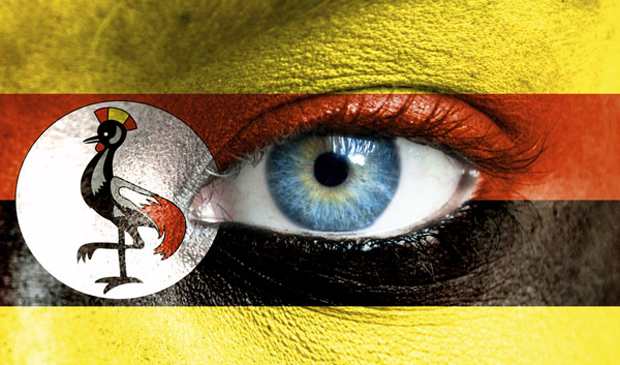
(Photo illustration: Shutterstock)
Uganda’s recently passed Anti-Pornography Act 2014 is believed to have led to targeting of women wearing mini-skirts, prompting the cabinet to review the law.
Prime Minister Amama Mbabazi told parliament recently that it is not the duty of the public but the police to implement the law: “The law is not about the length of one’s dress or skirt. As cabinet, we are going to look at the act again.”
The law, assented to by President Yoweri Museveni on 6 February this year, creates and defines the offence of pornography and its prohibition. It bans anyone from producing, trafficking, publishing, broadcasting, procuring, importing exporting or abetting any form of pornography.
Nowhere in the law is a ban on mini-skirts mentioned. The prime minister said that the term “indecent” as defined in the act to mean “non conformity with generally accepted standards” is too broad and varies from one person to another. “It’s very important that the law is clear and specific. I request the public not to take the law in their hands. It’s criminal, especially to women; they must be fully protected, and we shall protect them,” he said.
Initially, the bill proposed the prohibition of types of dress that exposed different body parts like breasts, thighs, genitalia and buttocks, but that clause was deleted before it was enacted into law. The law that was ultimately passed targets media organisations, Internet Service Providers (ISP’s), the entertainment and leisure industry and others putting what is deemed pornographic material into the public domain. Despite this, many women are afraid of the consequences of the law.
The apparent misunderstanding of the law by the public has generally been blamed on Ethics and Integrity Minister Simon Lokodo, who has suggested that it will ultimately help in the fight against indecent dressing by women. He has openly stated that “if a woman is dressed in attire that irritates the mind and excites other people of the opposite sex, you are dressed in wrong attire, so please you should hurry up and go home and change.” He maintains that women should “dress decently” because “men are so weak that if they saw an indecently dressed woman, they would just jump on her”. It should be noted that this minister is a former priest of the Catholic Church.
The act defines pornography as any cultural practice, radio or television programme, writing, publication, advertisement, broadcast, upload on the internet, display, entertainment, music, dance, picture, audio or video recording, show, exhibition or any combination of these that depicts a person engaged in explicit sexual activities or conduct; sexual parts of a person; erotic behaviour intended to cause sexual excitement or any indecent act or behaviour tending to corrupt morals.
The act also proposes setting up a Pornography Control Committee to, among other things, ensure that perpetrators of pornography are apprehended and prosecuted, and to collect and destroy all pornographic materials.
Ruth Ojiambo Othieno, the Executive Director of Isis-Women’s International Cross Cultural Exchange said she was disappointed that the law is targeting women and their bodies.
Miria Matembe, a woman’s activist and former ethics minister argues that the law is very vague and compares it to former President Idi Amin’s directive that women should not wear skirts and dresses more than three inches above the knee.
In a statement, police spokesperson Judith Nabakooba warned that if one suspects a person to be indecently dressed, they should report the matter to police but not take the law into their own hands. “Anyone found participating in mob justice of undressing people and are caught will be dealt with accordingly,” she said.
This article was posted on March 10, 2014 at indexoncensorship.org