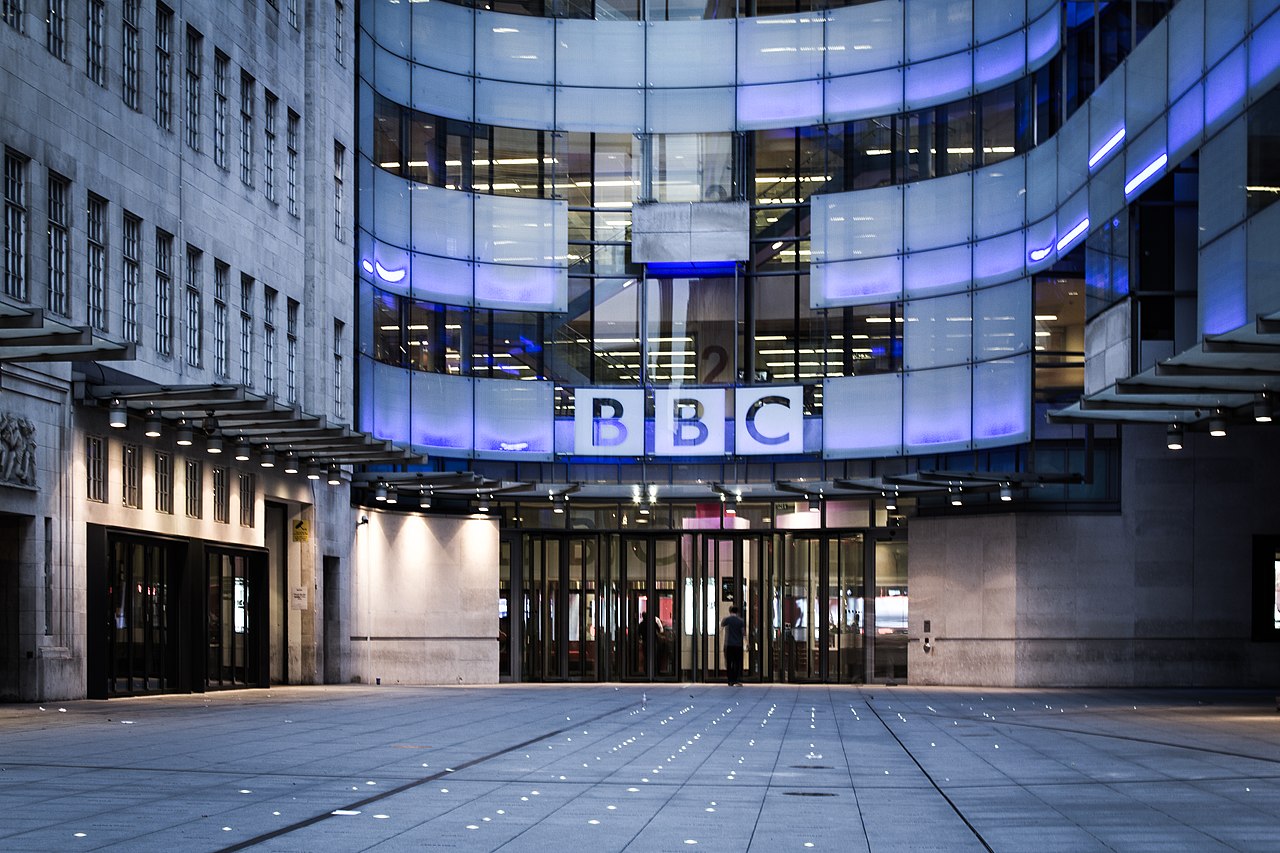
On 23 February, Index coordinated a letter signed by nine media freedom, free expression and journalist organisations to the UK Government, after the BBC Director-General publicly stated that the current funding arrangement for the BBC World Service with the FCDO runs out at the end of March 2026. The letter calls for a future funding arrangement to be confirmed as a matter of urgency to ensure that uncertainty and instability as it relates to the World Service’s funding does not directly hinder its work and impact those across the globe who depend on its public service reporting.
Here is the letter that was sent to the Foreign Secretary, Yvette Cooper MP:
Letter to Rt. Hon. Yvette Cooper MP, Secretary of State for Foreign, Commonwealth and Development Affairs
23 February 2026
Dear Rt. Hon. Yvette Cooper MP,
We are contacting you as Foreign Secretary to call on the UK Government to ensure the BBC World Service has the funding it needs to maintain its vital work as a public service broadcaster. The undersigned organisations were alarmed by the recent comments made by the BBC Director General that the outlet’s current funding arrangements only extend to the end of March 2026. It is vitally important that FCDO immediately makes the necessary funding available to maintain the World Service’s important work, while also ensuring a sustainable funding model for the outlet’s continued viability to ensure this issue is not repeated in the future.
Speaking at a Global Media Security and Innovation event in February, Tim Davie, the BBC’s Director-General said: “the current funding arrangement with the Foreign Office runs out at the end of March” and that the BBC is “waiting to hear the outcome of the settlement.” This alarming news threatens to hasten the decline of high-quality and accessible international public interest reporting. Following the US Government’s move to defund Voice of America and Radio Free Europe (RFE/RL), while private outlets such as Washington Post have also closed a number of international bureaus, if the World Service were to similarly lose its funding, the public interest information space upon which democracy depends would surely be in significant jeopardy.
Public service broadcasting is one of the most potent tools available to champion democracy and reinforce the international rules-based order. It also helps challenge repressive regimes who seek to control or censor journalistic reporting and hinder the public’s access to information. The World Service’s recently-announced plans to establish an “emergency lifeline radio programme for Iran” to respond to the unprecedented clampdown on civil society and protected speech best demonstrates the outlet’s innovative defence of free expression in the most challenging contexts. This work must be defended not defunded.
We acknowledge the Government’s position that the World Service’s funding is to be decided “through the FCDO allocations process” and that the decision will be made in “good time before the beginning of the 2026-27 financial year.” However, considering the urgency of this situation, we call on the FCDO and all other relevant policy makers to respond in good time to ensure the World Service, as a world leading public service broadcaster, can continue its vital work. Any uncertainty and instability in the World Service’s funding will directly hinder its work and impact those across the globe who depend on its public service reporting.
We are ready to support where we can and await your response.
Kind regards,
Index on Censorship
European Federation of Journalists (EFJ)
Reporters Without Borders UK (RSF)
Association of European Journalists (AEJ)
Justice for Journalists Foundation (JFJ)
Rory Peck Trust (RPT)
European Centre for Press and Media Freedom (ECPMF)
PEN International
National Union of Journalists (NUJ)