NEWS

Silencing mothers and covering up baby deaths is censorship
Women in maternity care are being neglected with deadly consequences
26 Jun 2026

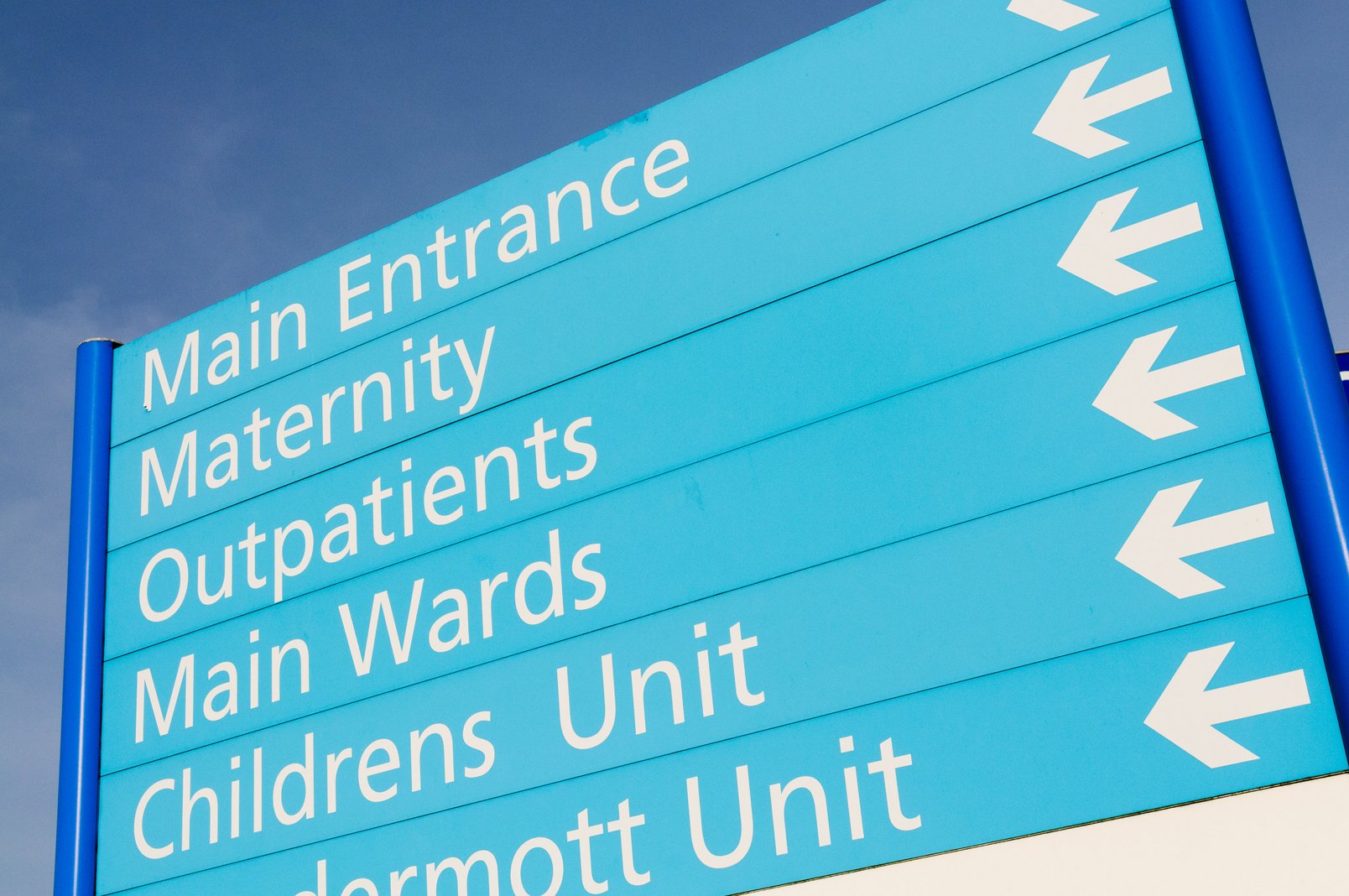
Photo by: Stephen Barnes/Medical/Alamy

UK news this week is dominated by a damning report led by senior midwife Donna Ockenden that reveals how more than 500 mothers and babies were harmed or died at maternity units in Nottingham. This isn’t the first scandal Ockenden has investigated. A few years back terrible failings were revealed in Shropshire hospitals run by the Shrewsbury and Telford NHS Trust where 201 babies and nine mothers died.  We spoke to Ockenden for the magazine and she repeated this: “women aren’t listened to”.

Another common thread was cover-up. Secrecy is not a one-off, it’s a pattern, wrote Martin Bright when he reported on the Shropshire scandal for Index. As Bright said, “this is not a historical story; it is an ongoing crisis”.

Maternity scandals happen not only in Britain but all over the world.

Last year’s protests in Morocco were ignited after eight women died in a maternity ward in Agadir because of severe medical neglect. In Egypt last week Omnia Sweidan, a former resident physician in obstetrics and gynaecology at Alexandria’s El-Shatby University Hospital, wrote a Facebook post detailing a series of abusive incidents faced by women at Alexandria’s Al-Shatby Hospital. It was read and shared by tens of thousands. Within 24 hours of posting, instead of the government declaring an investigation, security forces arrested Sweidan. While she was apparently later released, she’s been accused of spreading false news and misusing social media. She could end up in jail.

Meanwhile, Afghanistan has one of the highest maternal mortality rates in the world – the figures of deaths and injuries are rising, but to what no one really knows. The Taliban won’t publish the data, probably to cover-up the true numbers.

I’ve navigated maternity services myself in the UK. I’ve generally had good experiences and I’m very grateful to the NHS. But my experiences have not been uncomplicated – my daughter very nearly died. What saved her, I’ve been told, were a few factors – my race (white), my class (middle), where I live (London) and the fact that I relentlessly badgered those at my local hospital for weeks on end saying things didn’t feel right. Let me be clear here though: one shouldn’t have to be a dogged white Londoner to get good medical care. And a recent health committee report revealed terrible inequalities faced by people who are members of ethnic minorities, stating that “[B]abies that are Black or Black British Asian or Asian British have a more than 50% higher risk of perinatal mortality”.

At Index we typically work on stories where dissidents take on the powerful: leaders, oligarchs and tech bros. The victims of maternity care scandals might not appear the same. But there is much that unites them. At the end of the day if the response you get from a doctor or nurse to a basic medical request is a shrug or a sneer, your free speech is being violated. If the systems view calls for accountability as dissent that must be silenced, then they are censoring. We grew up being told we’re lucky, that childbirth was one of the leading causes of death before the advent of modern medicine. For many of us that’s true. Just not all of us. That’s a travesty demanding urgent attention – in Nottingham and beyond.
Support free expression for all

At Index on Censorship, we believe everyone deserves the right to speak freely, challenge power and share ideas without fear. In a world where governments tighten control and algorithms distort the truth, defending those rights is more urgent than ever.

But free speech is not free. Instead we rely on readers like you to keep our journalism independent, our advocacy sharp and our support for writers, artists and dissidents strong.

If you believe in a future where voices aren’t silenced, help us protect it.

Make a £10 monthly donation

At Index on Censorship, we believe everyone deserves the right to speak freely, challenge power and share ideas without fear. In a world where governments tighten control and algorithms distort the truth, defending those rights is more urgent than ever.

But free speech is not free. Instead we rely on readers like you to keep our journalism independent, our advocacy sharp and our support for writers, artists and dissidents strong.

If you believe in a future where voices aren’t silenced, help us protect it.

Make a £20 monthly donation

At Index on Censorship, we believe everyone deserves the right to speak freely, challenge power and share ideas without fear. In a world where governments tighten control and algorithms distort the truth, defending those rights is more urgent than ever.

But free speech is not free. Instead we rely on readers like you to keep our journalism independent, our advocacy sharp and our support for writers, artists and dissidents strong.

If you believe in a future where voices aren’t silenced, help us protect it.

Make a £10 one-off donation

At Index on Censorship, we believe everyone deserves the right to speak freely, challenge power and share ideas without fear. In a world where governments tighten control and algorithms distort the truth, defending those rights is more urgent than ever.

But free speech is not free. Instead we rely on readers like you to keep our journalism independent, our advocacy sharp and our support for writers, artists and dissidents strong.

If you believe in a future where voices aren’t silenced, help us protect it.

Make a £20 one-off donation

At Index on Censorship, we believe everyone deserves the right to speak freely, challenge power and share ideas without fear. In a world where governments tighten control and algorithms distort the truth, defending those rights is more urgent than ever.

But free speech is not free. Instead we rely on readers like you to keep our journalism independent, our advocacy sharp and our support for writers, artists and dissidents strong.

If you believe in a future where voices aren’t silenced, help us protect it.

Donate a different amount

Jemimah Steinfeld

Jemimah Steinfeld has lived and worked in both Shanghai and Beijing where she has written on a wide range of topics, with a particular focus on youth culture, gender and censorship. She is the author of the book Little Emperors and Material Girls: Sex and Youth in Modern China, which was described by the FT as "meticulously researched and highly readable". Jemimah has freelanced for a variety of publications, including The Guardian, The Telegraph, The Independent, Vice, CNN, Time Out and the Huffington Post. She has a degree in history from Bristol University and went on to study an MA in Chinese Studies at SOAS.

READ MORE

CAMPAIGNS

SUBSCRIBE

SUPPORT INDEX'S WORK