Years ago when still a baby defence barrister, a brief landed on my desk. The defendant, we shall call him Mohammad, was from Somalia. He was a PhD student travelling for his studies to Germany when civil war broke out. Mohammad’s sister was raped by soldiers; his father murdered. Newly married with a baby, he used all his money to pay for passage to the UK. This meant using forged travel documents. The family were eventually granted asylum. But Mohammad kept the forged passport; a symbol of his past life, perhaps. On a trip to visit German friends, the forged passport was discovered. He was charged with an offence to which he had no defence in law. The first trial saw running battles between me and the judge. At every opportunity he angrily reminded the court of the defendant’s guilt. His summing up consisted of countering the arguments I had advanced in Mohammad’s defence.
After two days deliberating, the jury were discharged, unable to reach a decision. The second trial was before a different judge. No angry exchanges. Just a measured, even-tempered stewardship of proceedings. A unanimous acquittal followed. Absent a bullying judge, this jury felt free to deliver a verdict according to their conscience; a principle called jury equity. I did not explicitly reference this principle in my closing speech. Nonetheless, it has often featured, in cases like Mohammad’s, when attempting to appeal to a jury’s sense of compassion. It was clear when Mohammad walked tearfully from the dock, that every right-minded person in that courtroom knew his prosecution, though lawful, was wrong.
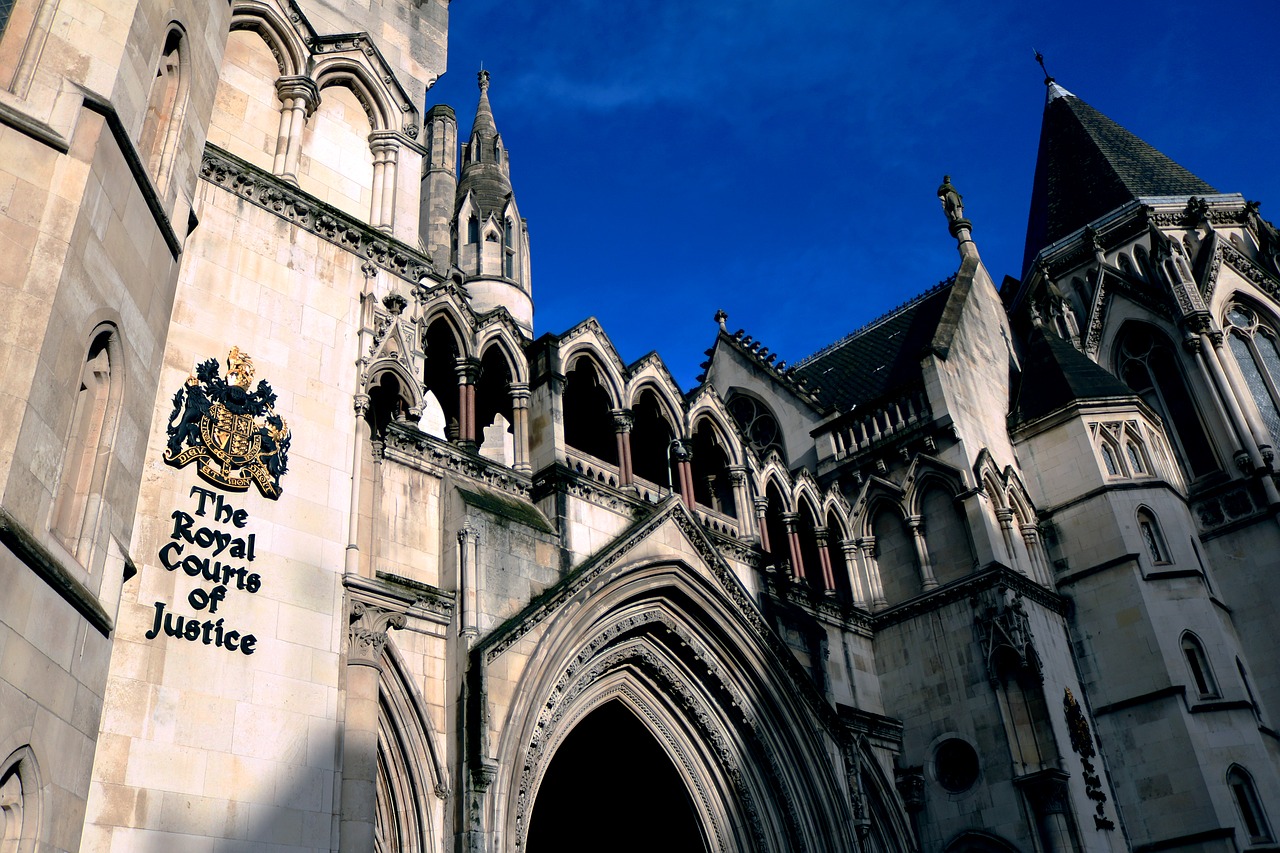
And so to the Filton trial and the unprecedented prosecution of my friend, Rajiv Menon KC, due to stand trial on 28 July for alleged contempt of court. Rajiv was lead counsel representing the first of six Palestine Action defendants charged with offences arising out of an incident in 2024 at an arms factory in Filton, Bristol, owned by Israeli-based Elbit Systems. During the incident, the defendents smashed equipment and one injured a police officer. At the trial the judge made orders prohibiting defence barristers from mentioning jury equity in their closing speeches. That effectively meant forbidding them from telling the jury that they (the jury) were free to act on their conscience despite the law. The trial judge alleges that Rajiv disobeyed the order and has asked another judge to try him for contempt. The Filton trial was, in many ways, different from Mohammad’s. However, the principles at stake are the same. You may not agree with the Filton defendants’ cause or their methods. And, we can all sympathise with the police officer injured whilst doing her job, but we must all surely agree that every defendant deserves a fair trial. By severely limiting some defences, removing other defences altogether, and making orders disallowing defence counsel from referring to long-established basic principles like jury equity, a trial judge is at risk of reducing the jury’s role to a ceremonial one.
That is why everyone should care about what happened in the Filton trial and what is happening now to Rajiv Menon. This is not just about a closing speech made by one defence barrister. Most defence barristers have, at some point, relied on the constitutional right of a jury to acquit even when a judge thinks that guilt is a forgone conclusion. It is a principle considered so important that it is enshrined on a plaque in the Central Criminal Court. And yet, today the very mention of it is being prohibited in protest trials, with the accompanying threat of contempt proceedings. This is about the essence of why the jury equity principle is necessary and has survived so long. It is recognised as a useful long-stop against state oppression.
I would add, as a Black person who has observed first-hand the oppressive way in which our people are policed, the collective wisdom of twelve strangers along with jury equity, is sometimes our only chance of justice. Let’s be clear, this attack on jury equity and the heavy-handed attempt to gag defence counsel, is an attack upon basic freedoms. It will have a chilling effect on all defence barristers in politically sensitive cases as well as on the right to protest. Other important safeguards will be caught in the dragnet.
Defence counsel’s obligation to fight fearlessly and the very concept of jury trial itself, are all up for grabs. In the 1980’s, during a wave of far-right attacks on Black communities in Bradford, twelve men were charged with offences linked to stockpiling 38 petrol bombs. One of the twelve, Tarlochan Gata Aura, admitted making and storing the bombs to protect his community. The late Sibghat Kadri QC, head of the chambers where I trained, was one of the defence barristers in that trial which ended with acquittals despite overwhelming evidence against them. Constantly interrupted by a hostile judge, the defence were warned against making the trial political. Kadri, a barrister who believed it was every lawyer’s duty to fight inside and outside the court, must be turning in his grave.