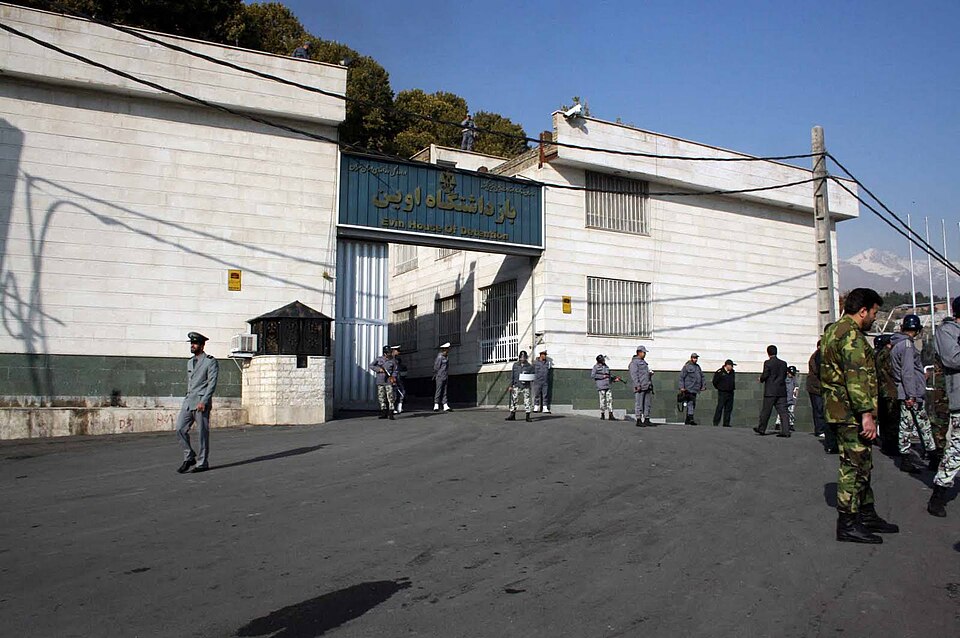
The renewed bombing of Iran has done a darn good job of diverting attention away from the Iranian government’s own utterly disturbing record when it comes to freedom of expression. So brutal is the regime there that it can sometimes feel like if you blink, you’ll miss another atrocity, like the execution of a protester last week. Mohammad Amini Dehaghani was accused of setting fire to a governor’s office in Isfahan, alongside distributing anti-government propaganda. For this he was hanged. I only found out about his death after it happened, though I did hear of some 12 more prisoners who are at imminent risk of execution following Iran’s Supreme Court upholding their death sentences.
The country has a playbook. The deaths of four members of the paramilitary during January’s protests have been pinned on these 12 people, and others too. The evidence is typically flimsy, the proceedings opaque, independent legal representation denied, and convictions rest on confessions that have apparently been extracted under torture. Perhaps the people were involved in killings, if these killings even happened, perhaps not. In Iran the truth doesn’t matter. It isn’t about justice (which frankly should never be meted out through capital punishment anyway). It’s about making the cost of speaking up so great that no one does.
The total disregard for any due process has defined the case of British husband and wife Lindsay and Craig Foreman too. In February the couple, who were arrested while travelling in the country, were each sentenced to 10 years in jail on accusations of espionage. They’ve denied these charges. Last week Craig had two years added to his sentence, according to family members, all because he spoke to the media. Like others in Iran, Craig has been denied a lawyer, a translator and any opportunity to defend himself.
Index has not done anything on the case of the Foremans to date because it wasn’t about freedom of expression. The couple were not arrested because of what they said, but instead because of where they were. They are not dissidents. Those facts remain. Still, Craig being punished for talking to the press is a speech issue. The authorities either don’t want him speaking out, or the media reporting on the case, or both. All of which is outrageous.
A crackdown is also happening across Tehran’s campuses. Students are being summoned for disciplinary hearings, they’re receiving threatening phone calls, they’re having access blocked to academic portals and in more extreme cases they’re being expelled from universities. According to a report released on the Telegram channel Al-Zahra Twitter at the weekend, a large number of the actions against students relate to more everyday grievances that students are protesting, not big political demands. All of which highlights how perilous it is to confront the powerful in Iran.