Disney’s 2025 release Elio was a flop. Some believe they self-censored and that contributed to its commercial failure. The central character was initially portrayed as queer-coded, reflecting original director Adrian Molina’s identity as an openly gay filmmaker. There was then a change of director, audience testing, feedback from leadership and any hint of gay was removed. Standard editing procedure? Perhaps. Changes to a film from test stage to release aren’t unusual and Index doesn’t cry censorship just because something gets cut.
Pixar’s chief creative officer Pete Docter recently justified the removal of Elio’s LGBTQ+ plot elements, saying Pixar is “not [making] therapy” and that parents should be in the driving seat when it comes to these conversations. Again fine. We don’t need everything our kids watch to be learning opportunities or “therapy”. It’s OK for some stuff to simply be about entertainment, though I’d argue the two need not be in conflict.
But context is everything. Disney’s 2026 offering, Hoppers, was accused of dialling down themes of environmentalism, while the director of a movie in early development apparently said there shouldn’t be divorce in it. Whatever was included or not in the film – and we will never know the reasons for certain edits – Hoppers was still not nearly conservative enough for MAGA influencer Alex Clark, who dubbed it “non-Biblical” and unsuitable for children under 10. Children aged 10 to 13 should only watch it if they could discuss it with their parents afterwards, she opined.
Concerns that Hollywood is being asked to bow to an increasingly censorious conservative right, rather than embracing artistic freedom, are demonstrably not the idle musings of the ultra-paranoid conspiracy theorist – and that’s when we do pay attention.
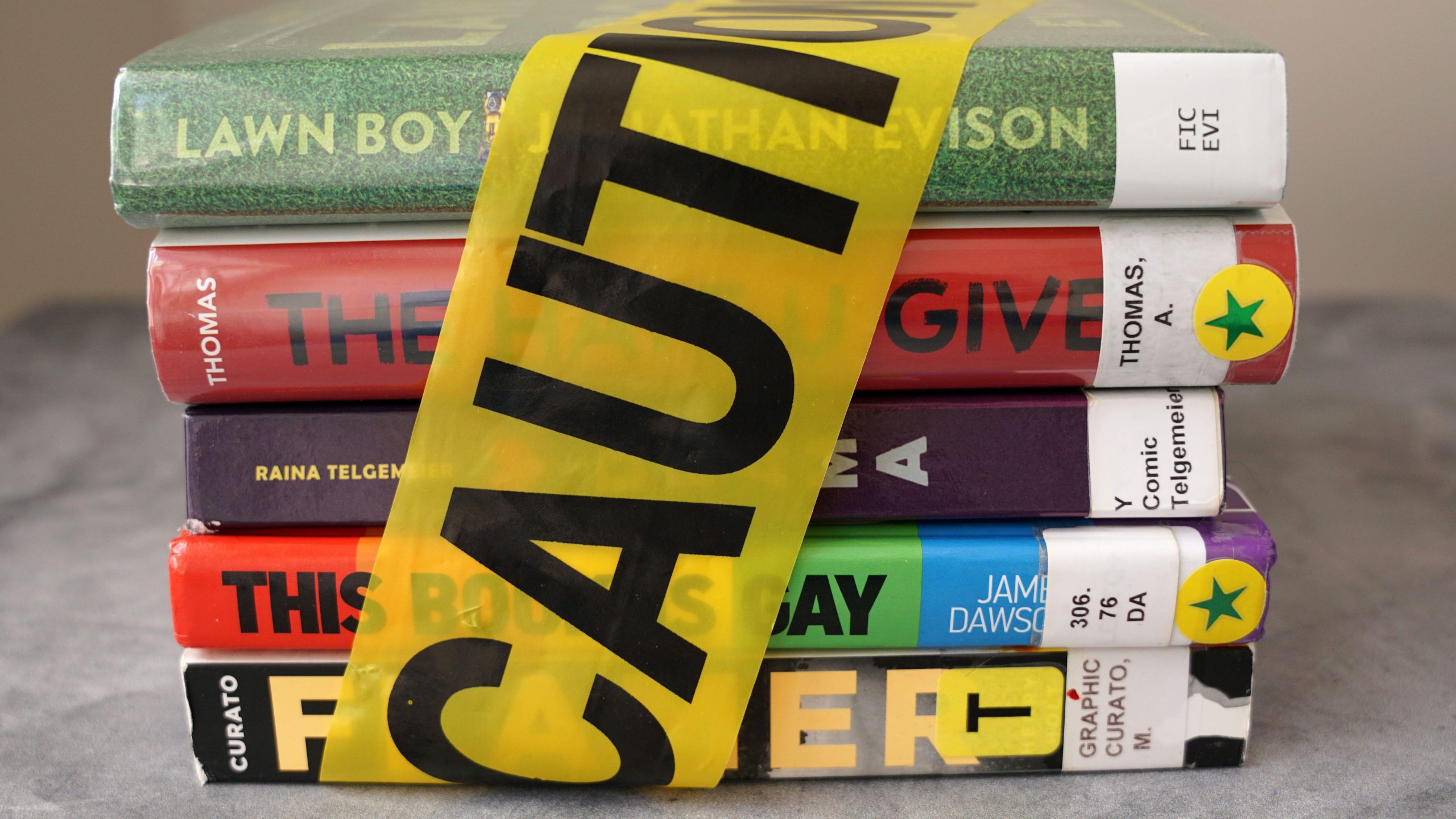
The topic of what’s appropriate for children to see and read is hot right now. Last week we reported on a Manchester school that had targeted close to 200 books from its library over “safeguarding” concerns. Where book banning occurs, it’s pretty much always justified by the same line – the titles aren’t age-appropriate – often with little to no explanation given beyond that. Why, for example, is it ok for children to study racist depictions in Othello, as they routinely do at secondary school, and yet not read Michelle Obama’s biography, the latter being on the Manchester cull list?
The conversation around age-gating online has a similar flavour, albeit with more understandable origins; kids can now fairly easily access porn online that is more extreme than anything available in Soho’s seediest licensed sex shops back in the day and a trial that concluded yesterday in California found Meta and Google liable for mental harm caused to a young woman who became hooked on the platforms as a child (they look set to appeal the ruling).
We should be able to discuss and address issues with the online world (as I do here) and acknowledge that not everything is fine to show to children and young people. Age classifications are there for a reason. But we should also be wary. The language of “safeguarding” and “age-appropriateness” can and is easily co-opted by those with an agenda that goes far beyond genuine concern for children and young people’s well-being. Taken to its extreme this agenda lands you in a place like Hungary, where children’s books with LGBTQ+ themes are routinely wrapped in plastic, lest a kid leaf through one in a bookshop. Or worse still Russia, which passed a law aimed at protecting children from “harmful information” back in 2012 and has since then been removing books with abandon, jailing queer people (who’ve been cast as the central propagators of harm) and creating an internet that more closely resembles Beijing’s. Protect our most vulnerable, yes, just avoid throwing free expression to the wolves in the process.