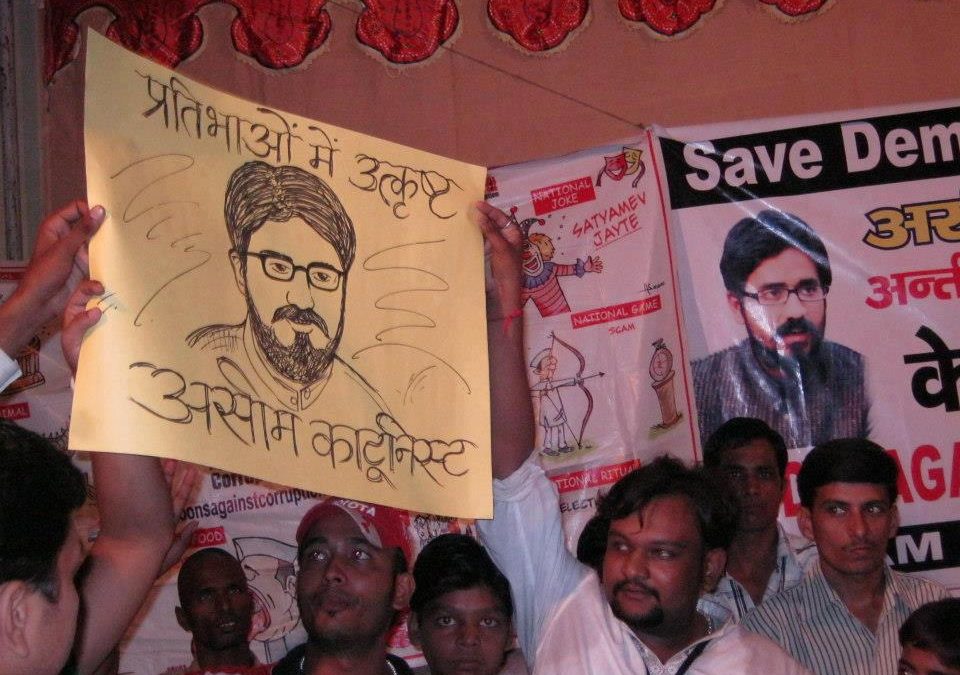
Aseem Trivedi’s arrest for his anti-establishment cartoons shocked and outraged India. Section 124 of the Indian Penal Code, under which Trivedi was arrested, is reserved for anyone who “brings or attempts to bring into hatred or contempt, or...
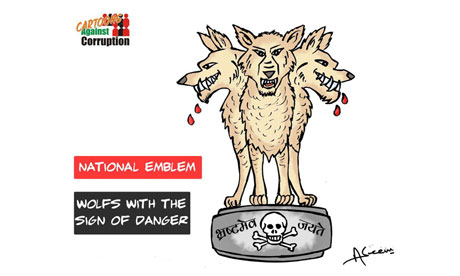
The Indian government’s proposal to the United Nations General Assembly, to form a 50-member United Nations Committee on Internet Related Policies (CIRP) to “regulate” the internet has been met with controversy since it was tabled last October. On...
Pakistan's Prime Minister Raja Pervaiz Ashraf has reportedly ordered the state-owned Pakistan Telecommunication Authority (PTA) to block YouTube after the video-sharing website failed to remove a controversial anti-Islam film, The Innocence of...
Across the world, debates around freedom of expression have intensified, in part due to people’s increased participation because of the many avenues communication available today. Confidence seems to follow connectivity. But think of the people who...
As the Communist Party Congress approaches, Dinah Gardner looks at the prospects for free speech in the People’s Republic
Sometime before the end of the year, China Communist party will hold its 18th Congress, when the old batch of leaders will step aside for a new crop. Rumours are flying about what will happen then, from the almost certainty that Xi Jinping will...
The arrest of an anti-corruption cartoonist in India on sedition charges has sparked outrage. Marta Cooper reports
Freedom of expression has suffered a crackdown in Vietnam in recent years, with bloggers being the main target. Geoffrey Cain asks what has prompted this intense backlash against free speech
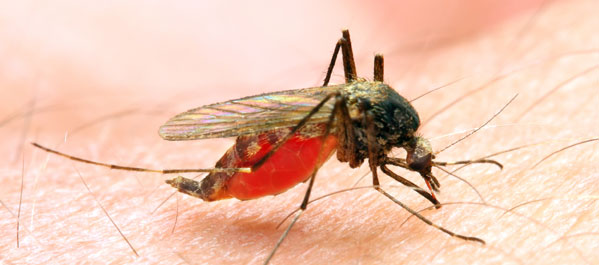
MAGAZINE In many parts of the world, malaria continues to kill millions — yet experts are still denied access to vital research. Bart Knols reports
Search engines and social networking sites are at the heart of Web 2.0. To unreasonably threaten them with liability for user content misses the point, says
Marta Cooper