Politicians around the world are trying to stamp out fake news online but at what cost to freedom of expression?
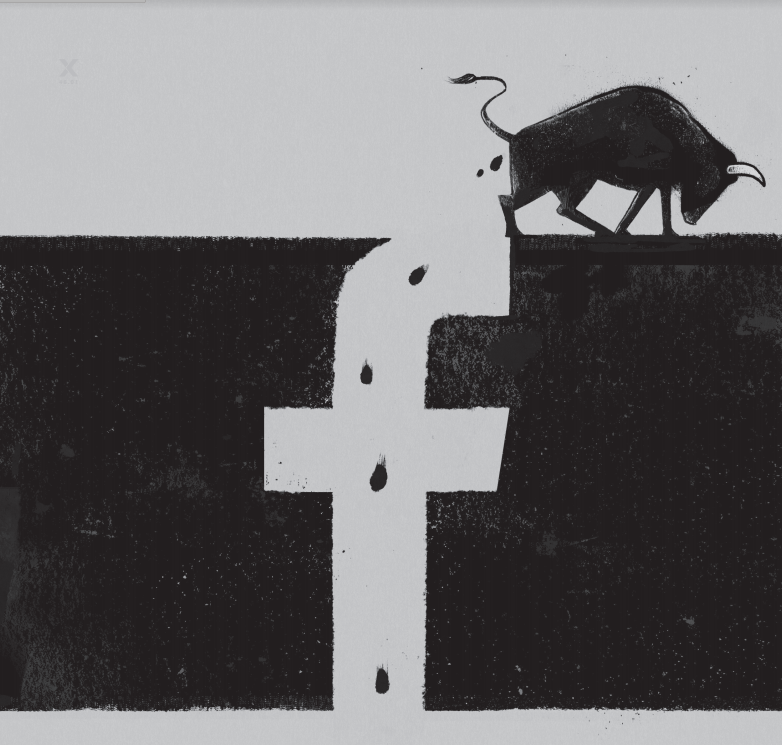
Stifling free speech online in the war on fake news
read more

Politicians around the world are trying to stamp out fake news online but at what cost to freedom of expression?
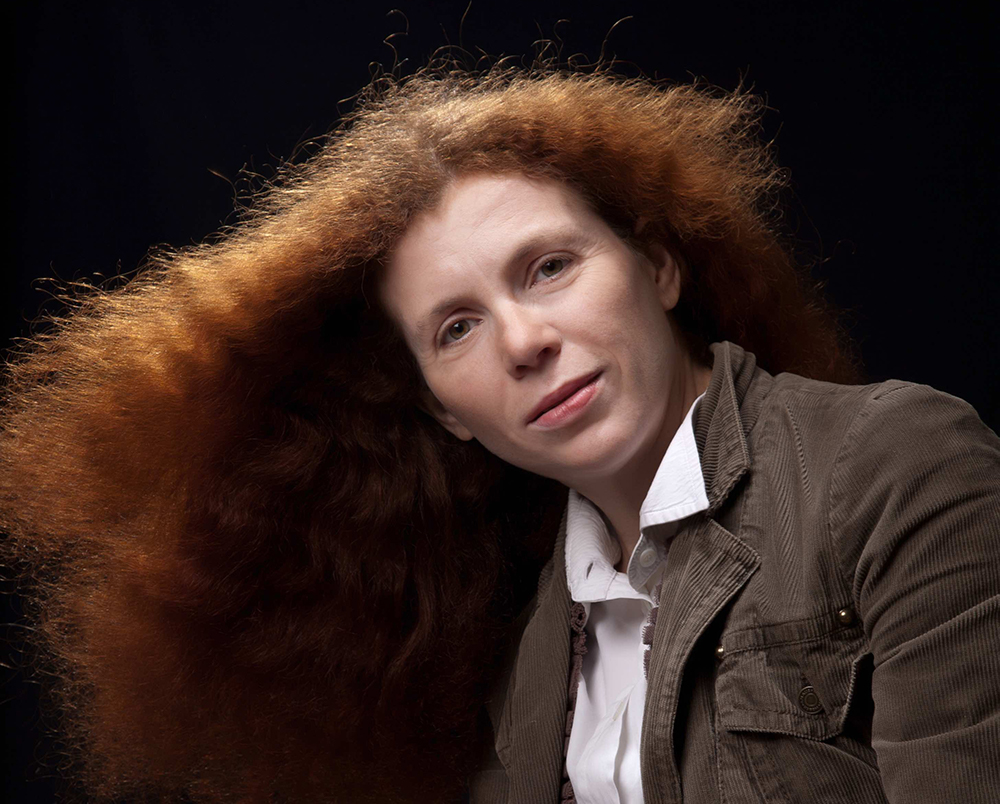
A decade ago, Russian journalist Yulia Latynina thought dissidents who compared President Vladimir Putin’s rule to the Soviet times were ridiculous.
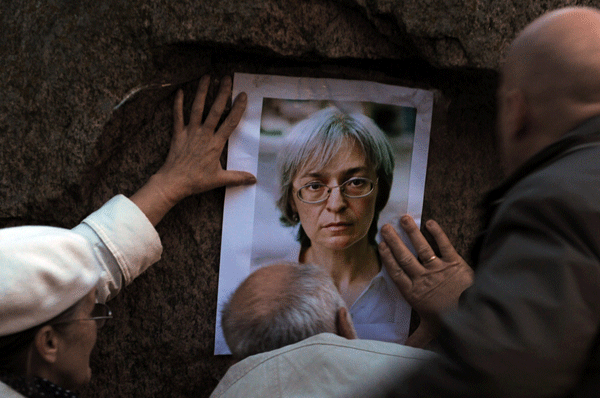
A country with the largest territory in the world and a turbulent modern history, Russia is home to one of the most difficult media landscapes. Independent media has been around for less than three years, and in that time censorship has been tightening its grip with new-found strength.

Visitors to Eurasian countries — Turkey, Russia, Ukraine or, to a lesser extent, Azerbaijan — might be impressed by the sheer number of domestic television channels that offer news programming. But all the coverage doesn’t translate into media plurality.

Index on Censorship joins 52 other international organisations to warn that the Russian Federation is pursuing policies that are significantly and rapidly encroaching online freedoms.
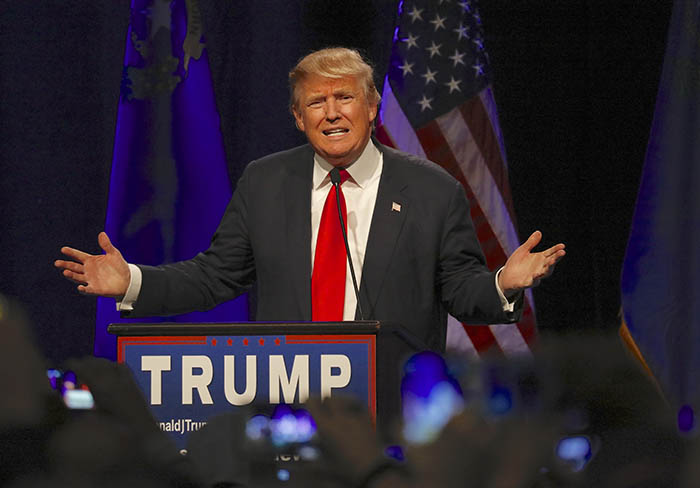
Censorship has cross-fertilised and gone viral infecting both democracies and their authoritarian counterparts.
53 international and Russian human rights, media and Internet freedom organisations, strongly condemn the attempts by the Russian Federation to block the Internet messaging service Telegram.
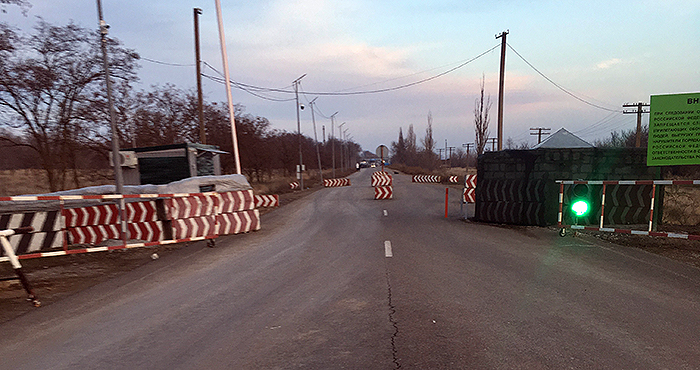
There’s currently no good way for journalists to travel to Crimea. Rather, it’s a balancing act where one has to choose the least bad solution
We strongly condemn the attempts by the Russian Federation to block the internet messaging service Telegram, which have resulted in extensive violations of freedom of expression and access to information
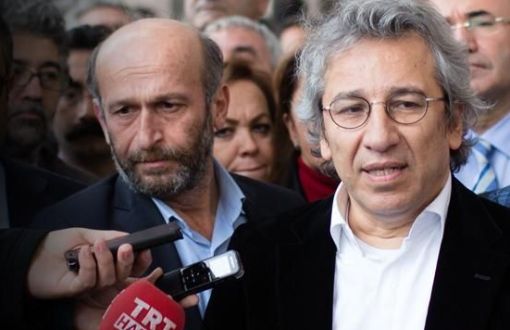
[vc_row][vc_column][vc_column_text] Can Dündar, editor-in-chief of Cumhuriyyet, one of Turkey’s most popular newspapers, was awaiting an appeal on his case in Turkey from Germany when the news of the coup d’etat in his homeland came. Scores of...