Index on Censorship has had a makeover! Find out more about how we’re leading the global debate on freedom of expression with our fresh new look
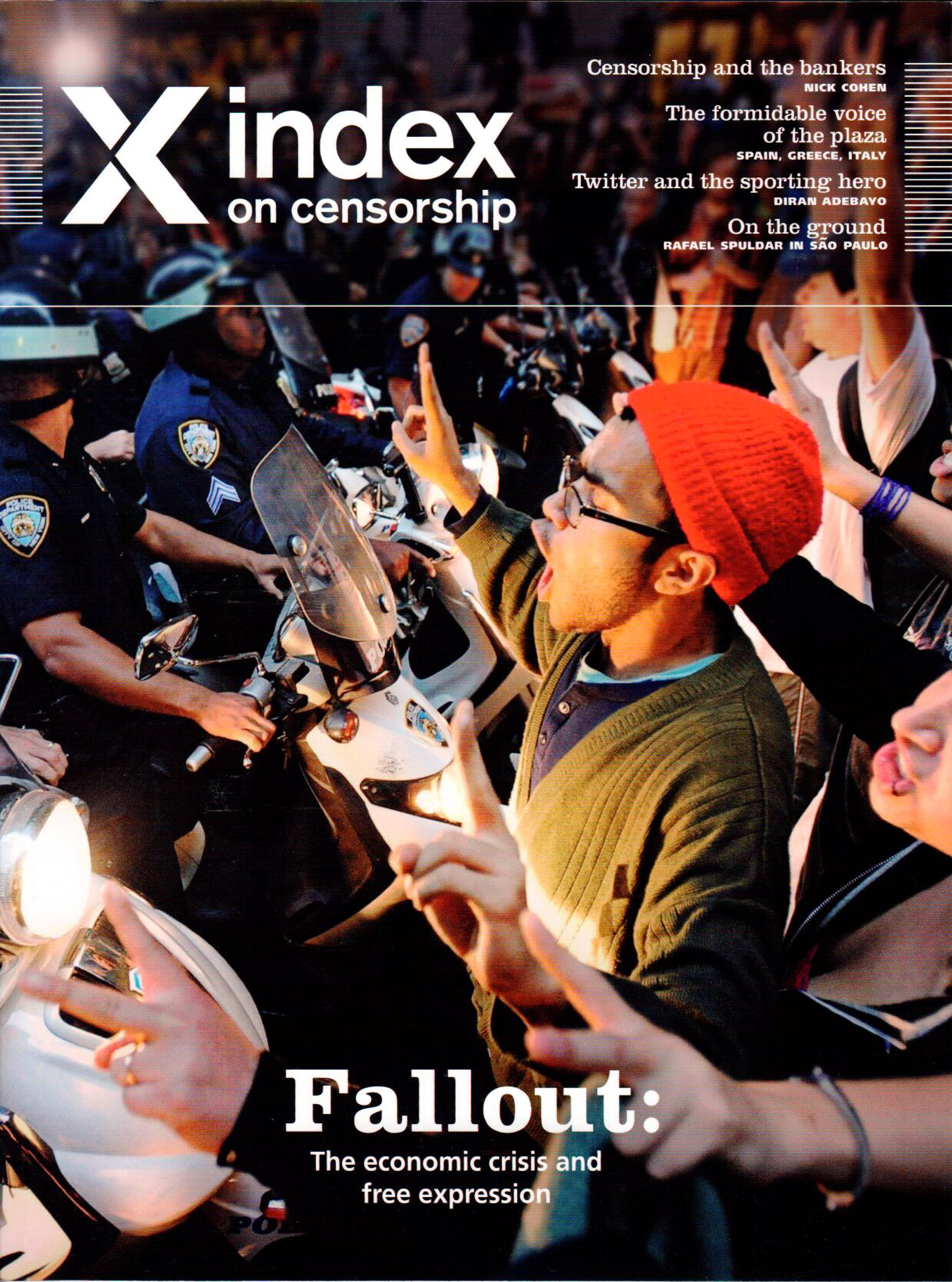
Index on Censorship launches new-look magazine
read more

Index on Censorship has had a makeover! Find out more about how we’re leading the global debate on freedom of expression with our fresh new look

Free speech is enshrined in the constitution. But in reality, those with power and influence can stifle critical debate and reporting. It’s time to overhaul the system, says Rafael Spuldar
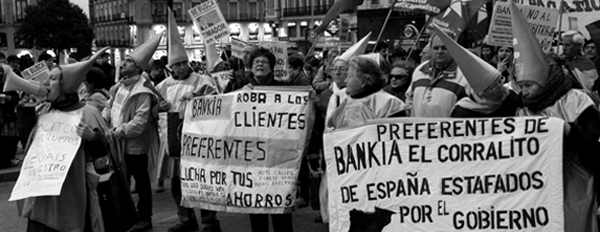
Attempts to criminalise demonstrations in Spain could change the face of citizen protest, says Juan Luis Sánchez
Index on Censorship Magazine Volume 42 Number 1 2013 Fallout: the economic crisis and free expression CHRISTOS SYLLAS Greece: free speech takes a beating JUAN LUIS SANCHEZ Spain: voices of the plazas KIRSTY HUGHES Global view RAFAEL SPULDAR On the...
Index on Censorship investigates whether the major economic crisis sweeping through Europe since 2008 had had negative effects on citizens’ ability to debate, demonstrate and exchange ideas through journalism, new media, artistic expression, politics or academia.
Includes articles by: Nick Cohen on censorship and the bankers; Diran Adebayo writes about Twitter and the sporting hero; Rafael Spuldar reports on Brazil; Jo Glanville on saving the BBC World Service.
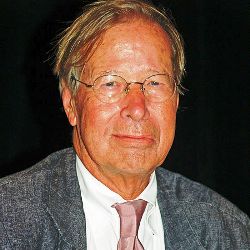
Philosopher Ronald Dworkin, who died today, was a supporter of, and contributor to, Index on Censorship magazine. In this article from 1994, he put forward a passionate and forensic defence of free speech as a universal right
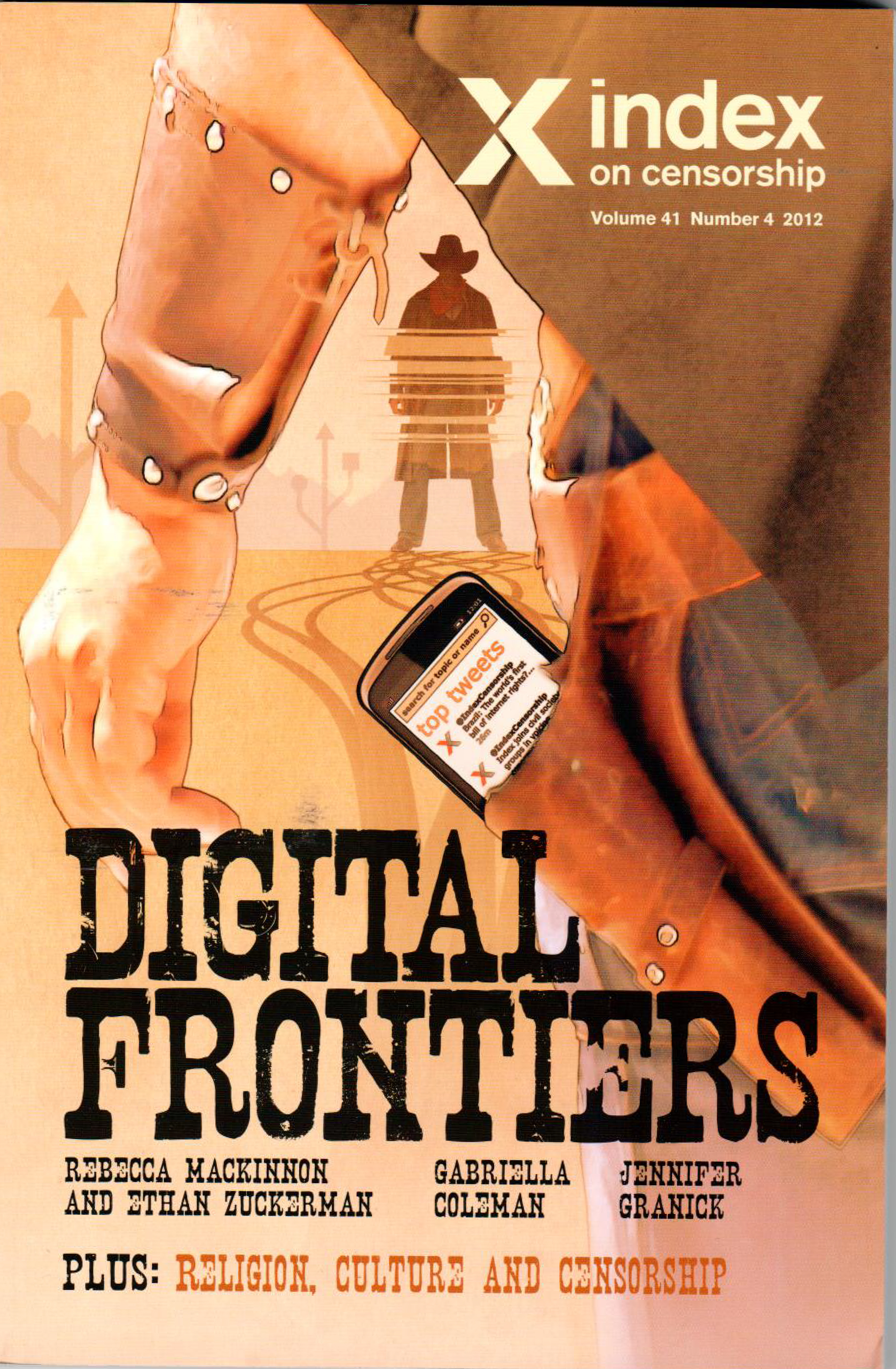
From Tunisia to China, activists and journalists are using technology to get vital news out and bring about change. As the battle to control information continues – from government surveillance, online blocking and big business to hacktivists and protesters – Index looks at the key players in the fight for digital freedom.
Includes articles by: Rebecca MacKinnon and Ethan Zuckerman; Gabriella Coleman; Jennifer Granick; Milton Mueller; Pranesh Prakash; Eric King; Hu Yong; Ahmed Mansoor; Alex MacGillivray; Heather Ford
Surveillance technology destroys political opposition more effectively than guns or grenades. And it’s big business.

As online freedom comes under attack from big business and governments alike, Jennifer Granick assesses the legal landscape
Online irreverent political protest is here to stay. But, asks Gabriella Coleman, what will be the legacy for digital freedom?
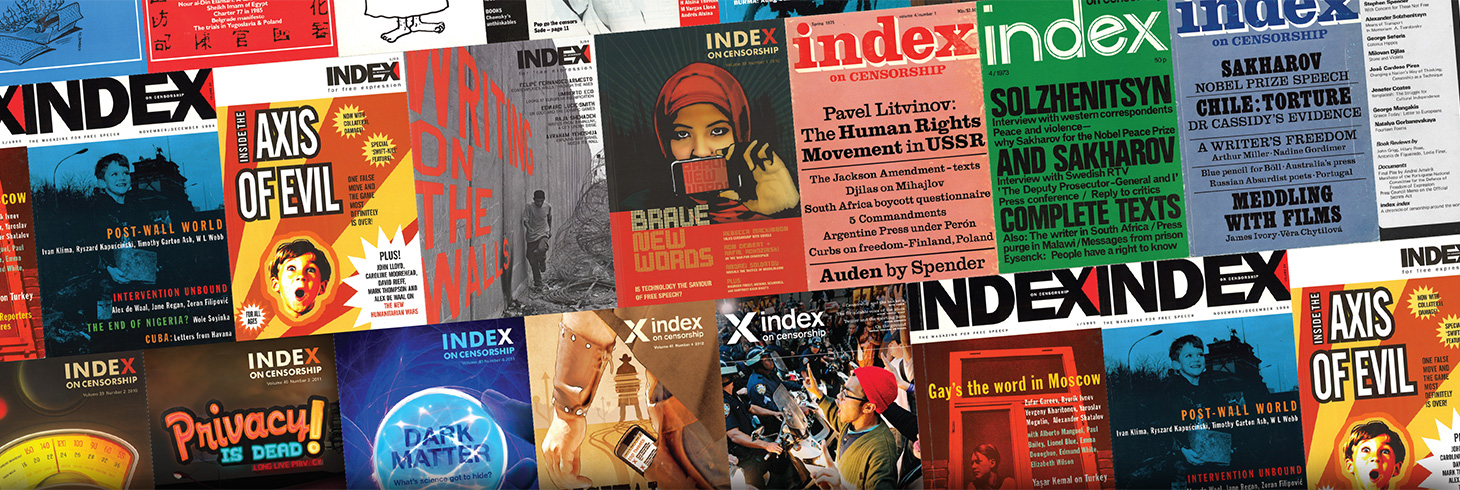
A quarterly journal set up in 1972, Index on Censorship magazine has published oppressed writers and refused to be silenced across hundreds of issues.
The brainchild of the poet Stephen Spender, and translator Michael Scammell, the magazine’s very first issue included a never-before-published poem, written while serving a sentence in a labour camp, by the Soviet dissident Aleksandr Solzhenitsyn, who went on to win a Nobel prize later that year.
The magazine continued to be a thorn in the side of Soviet censors, but its scope was far wider. From the beginning, Index declared its mission to stand up for free expression as a fundamental human right for people everywhere – it was particularly vocal in its coverage of the oppressive military regimes of southern Europe and Latin America but was also clear that freedom of expression was not only a problem in faraway dictatorships. The winter 1979 issue, for example, reported on a controversy in the United States in which the Public Broadcasting Service had heavily edited a documentary about racism in Britain and then gone to court attempting to prevent screenings of the original version. Learn more.