21 Jul 2015
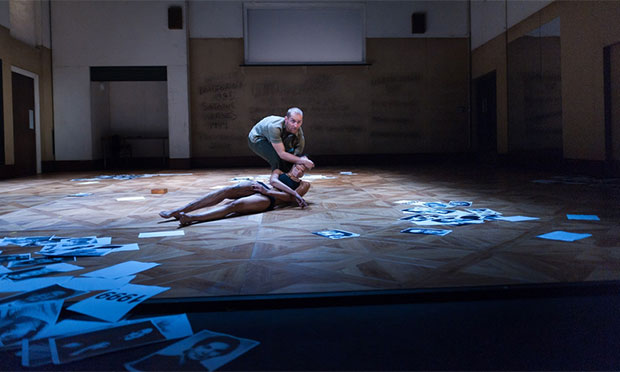
A scene from Can We Talk About This? (Photo: Matt Nettheim for DV8)
By Julia Farrington
July 2015
As part of our work on art, offence and the law, Julia Farrington, associate arts producer, Index on Censorship, interviewed Eva Pepper, DV8’s executive producer about how she prepared for potential hostility that the show Can We Talk About This? might provoke as it went on tour around the world in 2011-12.
Background
Can We Talk About This?, created by DV8’s Artistic Director Lloyd Newson, deals with freedom of speech, censorship and Islam. The production premiered in August 2011 at Sydney Opera House, followed by an international tour of 15 countries — Sweden, Australia, Hong Kong, France, Italy, Austria, Germany, Greece, Slovenia, Hungry, Spain, Norway, Taiwan and Korea and the UK between August 2011 and June 2012 — and was seen by a 60,000 people.
Extract from publicity of the show:
“From the 1989 book burnings of Salman Rushdie’s The Satanic Verses, to the murder of filmmaker Theo Van Gogh and the controversy of the ‘Muhammad cartoons’ in 2005, DV8’s production examined how these events have reflected and influenced multicultural policies, press freedom and artistic censorship. In the follow up to the critically acclaimed To Be Straight With You, this documentary-style dance-theatre production used real-life interviews and archive footage. Contributors include a number of high profile writers, campaigners and politicians.”
Q&A
Farrington: How did you set about working with the police for this tour?
Pepper: We focused on the UK with policing; I didn’t speak to any police forces in other countries at all, just in the UK cities we toured to: West Yorkshire Playhouse in Leeds; Warwick Arts Centre; Brighton Corn Exchange; The Lowry in Manchester and the National Theatre in London. But we did have a risk assessment and risk protocol that we shared with every venue we went to. We let them know the subject matter and the potential risks: security, safety of the audiences, media storms, safety of the people who were working on the show. They dealt either with their in-house security, or, in the UK, they would often alert the police as well.
Farrington: How did your preparations with police vary around the UK?
Pepper: We started with the Metropolitan Police, about six months before and told them our plans and that we would also contact other police forces. The National Theatre had their own contacts with the police who were already on standby. We still kept the MET events unit informed, but they [National Theatre] dealt with the police themselves. They were much more clued up, they had a head of security whom I briefed; we talked quite a lot. I made sure that he was copied in when anything a bit weird came up on the internet.
Our first venue was Leeds and we approached them about six weeks before the UK premiere. There was a bit of nervousness around Leeds, because of the larger Muslim population in the area. But we were only just beginning our liaison with the police and it took a little time to get a response. In the end we approached senior officers, but they often didn’t engage personally, just put us in touch with the appropriate unit to deal with.
Farrington: They didn’t see it as that important?
Pepper: They liked to be alerted that something might happen and they assured us that they were preparing. The venues also had their own police liaison; sometimes there was a bit of conflict if they had their own. I probably ruffled a few feathers when I went to a more senior officer.
Our starting point to the police was a very carefully worded letter which set out who we were. We didn’t ask permission to put it on we just alerted them that we might need police involvement. I did have some calls and a couple of meetings with officers, where they reiterated what is often said, which is that the police’s mandate is to keep the peace. It was made clear that they have as much of a duty to those people who want to protest or potentially might want to protest, as they have to allow us to exercise our freedom of expression. In Leeds nothing happened but there was a certain amount of nervousness around it.
Farrington: Where – at the venue?
Pepper: I think we were probably a bit nervous, and the police took it seriously enough. We had contact numbers to call. They were very much in the loop of the risk assessment.
Farrington: Was there a police presence on the night?
Pepper: I don’t remember seeing anybody. There was security of the venue of course, but regional venues only go so far with security. With some venues we were a little insistent that they get somebody upstairs and downstairs for example.
Farrington: And search bags, that kind of thing?
Pepper: We insisted people check in bags. The risk protocols weren’t invented for Can We Talk About This? They were really invented for To Be Straight With You [DV8’s previous show] and just tightened up for Can We Talk About This?. The risk protocols are just bullet points to get people thinking through scenarios.
Farrington: In general how would you describe your dealings with the police?
Pepper: I think generally supportive but we came to alert them that we might need them – there wasn’t a crisis. They said ‘thanks for letting us know let us deal with it.’ We would have quite liked to go through their risk assessments, but that didn’t happen. I think we were a little bit on their radar. They offered to send round liaison people to discuss practicalities around the office – stuff we hadn’t really thought about. It was a little bit tricky to get their attention.
The things we asked them to look out for were internet activity, if there was something brewing; sounds terribly paranoid. If there were issues around our London office or tour venues like hate mail, suspicious packages and then protests. So protest was just one thing our board was concerned about.
Farrington: Did you do anything else with the venue to prepare them for a possible hostile response from the media or a member of the public?
Pepper: I asked every venue artistic director or chief executive to prepare a statement. Lloyd would have been the main spokesperson for us if anything went wrong, but for a regional venue it is important that you are ready with a response and they all did that.
Farrington: What kind of thing did they say?
Pepper: We have supported this artist for the last 20 years. Lloyd has always been challenging in one way or another. This time he is challenging about this and we are going with him.
Farrington: Did you have any contact with lawyers?
Pepper: We looked carefully at the contents of the show. We had used interviews with real people and we wanted to be sure that nothing said was libellous or factually incorrect. So we had things looked at. The lawyer would say have you thought about that, did you get a release for this, are you using this from the BBC, do you have permission, have you spoken to this person, does he know you are doing it? And sometimes it is yes and sometimes it was a no.
Farrington: They pointed out some bases you hadn’t covered?
Pepper: Maybe one. We were really good and a bit obsessive. Sometimes we thought we didn’t have to ask because the information was in the public domain anyway, based on an interview that has been online for ten years for example. And the lawyer would or wouldn’t agree with that. It was good for peace of mind. That’s the thing with legal advice it doesn’t mean that nobody comes after you, because the law isn’t black and white.
Farrington: Were there some venues that you took the show to that didn’t think it was necessary to make special preparations?
Pepper: We always made them aware and we let them handle it. There are certain things that we always did. We asked them to consider security, and certainly PR. I was quite concerned that it would be a big PR story and then out of the PR story, as we saw with Exhibit B, comes the police. The protests don’t come from nowhere usually, somebody comes and stirs things up.
Farrington: Did you prepare the venue press departments?
Pepper: Yes we did, and we quite consciously had interviews, preview pieces before hand, where Lloyd could give candid interviews about the show. Almost to take the wind out of people’s sails, to put it out in the open so nobody could say they were surprised.
Farrington: How did you prepare with the performers for potential hostility?
Pepper: We talked through the risk procedure with them. We also got some advice from a security specialist, about being more vigilant than usual, noticing things that are out of the ordinary; if somebody picks a fight in the bar after the show, find a way to alert the others. So yes, the security specialist had a meeting with us here in the office, but also came up to Leeds to talk to the performers.
Farrington: Did it create a difficult atmosphere?
Pepper: It did yes, it got a bit edgy. Next time I would not do it around the UK premiere. It took a long time to set all of this up. To find the right people, to get people to take it seriously, to have meetings scheduled.
Farrington: It took time to find the right kind of security specialist?
Pepper: It also took a little while to get straight what we needed. We probably tried to figure it out for ourselves for a long time. And then got somebody in after all, just as maybe we, or the board got a bit more nervous. When you talk about protests you always worry about the general public, but as an employer there are the people who you send on tour who have to defend the show in the bar afterwards, potentially they are the targets.
Farrington: But they were behind the show?
Pepper: Yes, undoubtedly. But it’s an uncomfortable debate. There were so many voices in that show and you didn’t agree with every voice and it was never really said what really is Lloyd’s or DV8’s line. I would say that all the dancers were fine, but sometimes if somebody corners you in a bar it gets squirmy. No one is comfortable with everything.
Farrington: Can you summarise the response to the show?
Pepper: We had everything from 1 to 5 stars. We had people that loved the dance and hated the politics, who loved the politics and hated the dance. Occasionally somebody liked both. Occasionally somebody hated both. The show was discussed in the dance pages, in the theatre pages and in the comments pages. So in terms of the breadth and depth of the discussion we couldn’t have been more thrilled. Then we had dozens of blogs written about the show. For us Twitter really started with Can We Talk About This? and it was a great instrument for us. Social media was largely positive, though some people were picking a fight on Facebook at some point. It was very, very broad and very widely discussed.
Farrington: And did you interact with Twitter or did you let it roll?
Pepper: Mostly we let it roll. As part of the risk strategy we had a prepared statement from Lloyd which was very similar to the forward in the programme and anybody who had any beef would be redirected to the statement.
Farrington: Did the venues take this performance as an opportunity to have post show discussion and debate?
Pepper: Lloyd prefers preshow talks because he doesn’t like people to tell him what they thought of the shows. Quite often there is a quick Q&A before. In UK, we had one in Brighton [organised by Index] and one at the National. We had fantastic ones in Norway after the Breivik killings. In Norway they weren’t sure it was relevant and then the killings happened and then I got the call to say now we need to talk about it.
But having pre-show talks is certainly how we decided to deal with it. There is a conflict with having a white middle-aged atheist put on a show about Islam. But the majority of voices in the show were Muslim voices of all shades of opinion. It wasn’t fiction. It was based on his research and based on people’s stories – writers, intellectuals, journalists, politicians and who had a personal story to tell
Farrington: How did you prepare work with the board regarding potential controversies?
Pepper: Really the work with the board started with the previous show To Be Straight With You that already dealt with homosexuality and religion and culture; how different communities and religious groups make the life of gay people quite unbearable, internationally and in this country. And even then, we started to say, ‘can we say this? are we allowed to criticise these people like this?’ and out of that grew the ‘yes, I do want to talk about this’ because if we don’t a chill develops. Can We Talk About This? was a history about people who had spoken out about aspects of Islam that they were uncomfortable with or against and what happened to them.
Farrington: What kind of board do you need if you are going to be an organisation that explores taboos like this?
Pepper: We have got a fantastic board; it is incredibly responsible and so is Lloyd. There is a very strong element of trust in Lloyd’s work. They wouldn’t be on the board if they didn’t support him. But, as employers, they are aware of their responsibilities to everyone who works for us. As a company we have to be prepared in the eventuality that there is a PR or security disaster. What we were really trying to do was avoid that eventuality. We will never know. Maybe nothing bad would have happened. I think that Lloyd now wishes more people had seen it, that a film had been made, that it was more accessible to study by those who want to. He thinks that maybe we were a bit too careful. But as an organisation, as DV8, as an employer I think that we did the right thing by looking after people.
Farrington: What advice could you give to prepare the ground for doing work that you know will divide opinion and you know could provoke hostility?
Pepper:
E: If you can anticipate this you already have an advantage, but it’s not always possible to second-guess who might find what offensive. But if you know, I would suggest you ask yourself what buttons you are likely to push; you have to be confident why you are pushing them – usually in order to make an important point. It’s a good idea to articulate this reasoning very well in your head and on paper. Then you have got to be brave and get on with your project. Strong partners are invaluable, so try to get support. But in the end it is about standing up and being able to defend what you do.
Farrington: So you think you could have gone a bit further?
Pepper: I think if you prepare well you could go a bit further. I don’t think there is a law in this country that would stop you from being more offensive than we were. Every artist has to decide for themselves what they want to say and why they are saying it, and if they can justify it they can go for it.
13 governments that are definitely not jailing people over free speech
17 Jun 2015 | Azerbaijan News, mobile, News
Governments don’t really like coming across as authoritarian. They may do very authoritarian things, like lock up journalists and activists and human rights lawyers and pro democracy campaigners, but they’d rather these people didn’t talk about it. They like to present themselves as nice and human rights-respecting; like free speech and rule of law is something their countries have plenty of. That’s why they’re so keen to stress that when they do lock up journalists and activists and human rights lawyers and pro-democracy campaigners, it’s not because they’re journalists and activists and human rights lawyers and pro-democracy campaigners. No, no: they’re criminals you see, who, by some strange coincidence, all just happen to be journalists and activists and human rights lawyers and pro-democracy campaigners. Just look at the definitely-not-free-speech-related charges they face.
1) Azerbaijan: “incitement to suicide”
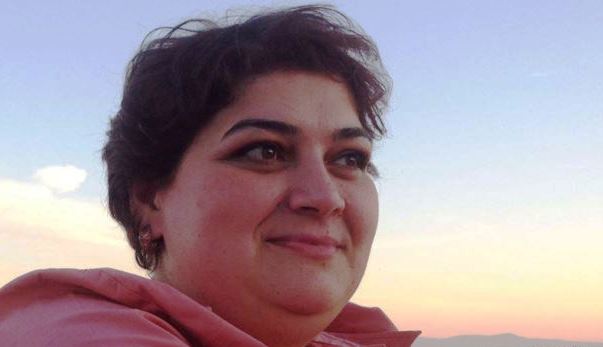
Khadija Ismayilova is one of the government critics jailed ahead of the European Games.
Azerbaijani investigative journalist Khadija Ismayilova was arrested in December for inciting suicide in a former colleague — who has since told media he was pressured by authorities into making the accusation. She is now awaiting trial for “tax evasion” and “abuse of power” among other things. These new charges have, incidentally, also been slapped on a number of other Azerbaijani human rights activists in recent months.
2) Belarus: participation in “mass disturbance”
Belorussian journalist Irina Khalip was in 2011 given a two-year suspended sentence for participating in “mass disturbance” in the aftermath of disputed presidential elections that saw Alexander Lukashenko win a fourth term in office.
3) China: “inciting subversion of state power”
Chinese dissident Zhu Yufu in 2012 faced charges of “inciting subversion of state power” over his poem “It’s time” which urged people to defend their freedoms.
4) Angola: “malicious prosecution”
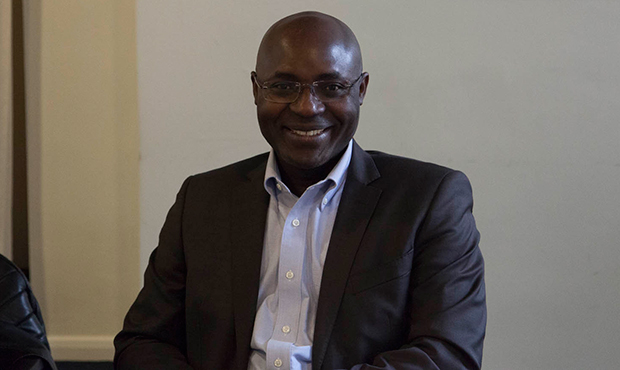
Journalist and human rights activist Rafael Marques de Morais (Photo: Sean Gallagher/Index on Censorship)
Rafael Marques de Morais, an Angolan investigative journalist and campaigner, has for months been locked in a legal battle with a group of generals who he holds the generals morally responsible for human rights abuses he uncovered within the country’s diamond trade. For this they filed a series of libel suits against him. In May, it looked like the parties had come to an agreement whereby the charges would be dismissed, only for the case against Marques to unexpectedly continue — with charges including “malicious prosecution”.
5) Kuwait: “insulting the prince and his powers”
Kuwaiti blogger Lawrence al-Rashidi was in 2012 sentenced to ten years in prison and fined for “insulting the prince and his powers” in poems posted to YouTube. The year before he had been accused of “spreading false news and rumours about the situation in the country” and “calling on tribes to confront the ruling regime, and bring down its transgressions”.
6) Bahrain: “misusing social media
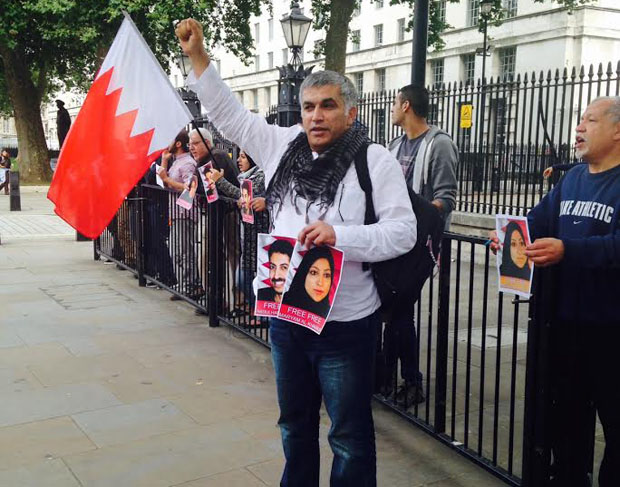
Nabeel Rajab during a protest in London in September (Photo: Milana Knezevic)
In January nine people in Bahrain were arrested for “misusing social media”, a charge punishable by a fine or up to two years in prison. This comes in addition to the imprisonment of Nabeel Rajab, one of country’s leading human rights defenders, in connection to a tweet.
7) Saudi Arabia: “calling upon society to disobey by describing society as masculine” and “using sarcasm while mentioning religious texts and religious scholars”
In late 2014, Saudi women’s rights activist Souad Al-Shammari was arrested during an interrogation over some of her tweets, on charges including “calling upon society to disobey by describing society as masculine” and “using sarcasm while mentioning religious texts and religious scholars”.
8) Guatemala: causing “financial panic”
Jean Anleau was arrested in 2009 for causing “financial panic” by tweeting that Guatemalans should fight corruption by withdrawing their money from banks.
9) Swaziland: “scandalising the judiciary”
Swazi Human rights lawyer Thulani Maseko and journalist and editor Bheki Makhubu in 2014 faced charges of “scandalising the judiciary”. This was based on two articles by Maseko and Makhubu criticising corruption and the lack of impartiality in the country’s judicial system.
10) Uzbekistan: “damaging the country’s image”
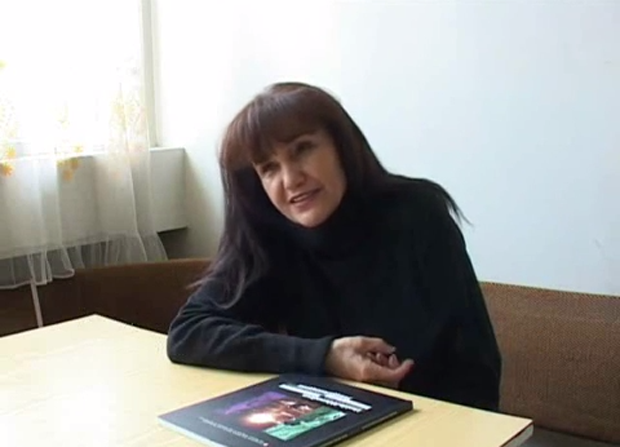
Umida Akhmedova (Image: Uznewsnet/YouTube)
Uzbek photographer Umida Akhmedova, whose work has been published in The New York Times and Wall Street Journal, was in 2009 charged with “damaging the country’s image” over photographs depicting life in rural Uzbekistan.
11) Sudan: “waging war against the state”
Al-Haj Ali Warrag, a leading Sudanese journalist and opposition party member, was in 2010 charged with “waging war against the state”. This came after an opinion piece where he advocated an election boycott.
12) Hong Kong: “nuisance crimes committed in a public place”
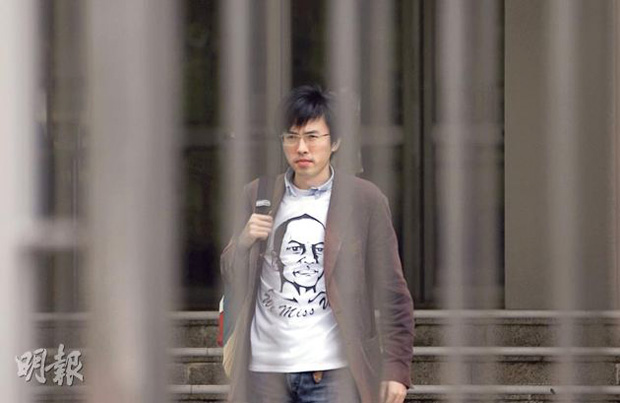
Avery Ng wearing the t-shirt he threw at Hu Jintao. Image from his Facebook page.
Avery Ng, an activist from Hong Kong, was in 2012 charged “with nuisance crimes committed in a public place” after throwing a t-shirt featuring a drawing of the late Chinese dissident Li Wangyang at former Chinese president Hu Jintao during an official visit.
13) Morocco: compromising “the security and integrity of the nation and citizens”
Rachid Nini, a Moroccan newspaper editor, was in 2011 sentenced to a year in prison and a fine for compromising “the security and integrity of the nation and citizens”. A number of his editorials had attempted to expose corruption in the Moroccan government.
This article was originally posted on 17 June 2015 at indexoncensorship.org
Spring 2015: Across the wires – how refugee stories get told
16 Mar 2015 | Magazine, mobile, Volume 44.01 Spring 2015
[vc_row][vc_column][vc_custom_heading text=”How can more refugees get their voices heard? The latest issue of Index on Censorship magazine is out now and features a special focus on the threats to free expression within refugee camps.”][vc_row_inner][vc_column_inner width=”1/2″][vc_column_text]
We follow the steps of Italian journalist Fabrizio Gatti, who spent four years undercover investigating migrant routes from Africa to Europe. We look at how social media has become a blessing and a curse – offering a connection back home and a means of surveillance. We have pieces by refugees, written from inside camps about persisting myths; by those struggling to claim rights as workers; and by those who have set up innovative, creative projects to share their stories.
[/vc_column_text][/vc_column_inner][vc_column_inner width=”1/2″][vc_empty_space height=”50px”][vc_single_image image=”64776″ img_size=”full”][/vc_column_inner][/vc_row_inner][vc_column_text]
The issue also features a thoughtful analysis of the aftermath of the Charlie Hebdo attack in Paris, with contributions from Chilean writer Ariel Dorfman; Irish co-creator of Father Ted, Arthur Mathews; Turkish novelist Elif Shafak; British playwright David Edgar; former head of BBC news Richard Sambrook; and Hong Kong-based journalist Hannah Leung. Taking the long view, this group of writers looks at the worldwide picture, and how terror is used to silence.
Also, Martha Lane Fox and retired Major General Tim Cross go head-to-head, debating if privacy is more vital than national security. We have stories about attacks on journalists covering the drug trade in South America; a cover-up of abortion figures in Nicaragua; and the lessons to be learnt from attempts to downplay epidemics, from Aids to ebola. Plus an extract from Lucien Bourjeily’s new play, which has skirted the Lebanese censors’ ban, and poetry from Turkish writers Ömer Erdem and Nilay Özer – all translated into English for the first time.
The issue’s cover artwork is by cartoonist Ben Jennings, and the magazine also features work from our regular collaborator Martin Rowson; and extracts from a graphic reportage set in an Iraqi camp, by Olivier Kugler.
[/vc_column_text][/vc_column][/vc_row][vc_row][vc_column][vc_custom_heading text=”SPECIAL REPORT: ACROSS THE WIRES” css=”.vc_custom_1483457468599{margin-right: 0px !important;margin-left: 0px !important;border-bottom-width: 1px !important;padding-top: 15px !important;padding-bottom: 15px !important;border-bottom-color: #455560 !important;border-bottom-style: solid !important;}”][vc_column_text]
How refugee stories get told
Undercover immigrant – Italian journalist Fabrizio Gatti spent four years undercover investigating refugee routes from Africa to Europe
Taking control of the camera – Almir Koldzic and Aine O’Brien on refugee camp projects – from soap operas to photography classes – that help refugees tell their own stories. Also: Valentino Achak Deng on life after fleeing Sudan’s civil war; Kate Maltby visits the Syrian Trojan Women’s acting project; and Preti Taneja on bringing Shakespeare to the children of Zaatari
The way I see it – Refugees Rana Moneim and Mohammed Maarouf share their viewpoints from inside a camp, plus a camp visitor shatters his preconceptions
Clear connections – Jason DaPonte on how social media’s power is being harnessed by refugees
Who tells the stories? – Mary Mitchell and Mohammed Al Assad on a storytelling project in a Lebanon camp
Realities of the promised land – Iara Beekma looks at life for Haitian immigrants in Brazil and their rights as workers
The whole picture – Photojournalist Chris Steele-Perkins’ honest account of decades spent capturing refugees’ stories, from Rwandans to the Rohingha
Stripsearch – Our regular cartoonist, Martin Rowson, imagines the Democratic Republic of Cyberspace
Escape from Eritrea – Ismail Einashe explores the dangers of fleeing one of the world’s harshest regimes
A very human picture – Artist Olivier Kugler illustrates life within Iraq’s Domiz refugee camp
In limbo in world’s oldest refugee camps – Tim Finch looks at the places where 10 million people can spend years, or even decades
Sound and fury – Rachael Jolley interviews musician Martyn Ware, from Heaven 17 and the Human League, on the power of soundscape storytelling
Sheltering against resentment – Natasha Joseph reports from Johannesburg on the end of the line for a sanctuary for those fleeing xenophobia
Understanding how language matters – Kao Kalia Yang recalls her childhood as a Hmong refugee in Thailand and the USA
[/vc_column_text][/vc_column][/vc_row][vc_row][vc_column][vc_custom_heading text=”IN FOCUS” css=”.vc_custom_1481731813613{margin-right: 0px !important;margin-left: 0px !important;border-bottom-width: 1px !important;padding-top: 15px !important;padding-bottom: 15px !important;border-bottom-color: #455560 !important;border-bottom-style: solid !important;}”][vc_column_text]
Outbreaks under wraps – Alan Maryon-Davis looks at how denials and cover-ups spread ebola, Sars and Aids
Trade secrets – César Muñoz Acebes investigates Paraguay’s drug war and the dangers for journalists, plus Duncan Tucker on Mexico’s courageous bloggers and social media users, who are filling the gaps where Mexico’s press fears to tread
Lies and statistics – Nina Lakhani reports from Nicaragua on the cover-up of abortion figures and domestic abuse
Charlie Hebdo: taking the long view – After the Paris murders, seven writers from around the world look at how offence and terror are used to silence, featuring Arthur Mathews, Ariel Dorfman, David Edgar, Elif Shafak, Hannah Leung, Raymond Louw, Richard Sambrook
Screened shots – Jemimah Steinfeld on the Chinese film industry’s obsession with portraying Japan’s invasion during World War II
Finland of the free – Risto Uimonen explains why the Finns always top media freedom indexes, and the Belfast Telegraph’s readers’ editor, Paul Connolly, shares his thoughts on the future of press regulation
Head to head: Is privacy more vital than national security? Martha Lane Fox and Tim Cross debate how far governments should go when balancing individual rights and safeguarding the nation
[/vc_column_text][/vc_column][/vc_row][vc_row][vc_column][vc_custom_heading text=”CULTURE” css=”.vc_custom_1481731777861{margin-right: 0px !important;margin-left: 0px !important;border-bottom-width: 1px !important;padding-top: 15px !important;padding-bottom: 15px !important;border-bottom-color: #455560 !important;border-bottom-style: solid !important;}”][vc_column_text]
The state v the poets – Kaya Genç introduces works by Turkish poets Ömer Erdem and Nilay Özer
Knife edge – Lebanese playwright Lucien Bourjeily presents an exclusive extract from his latest play as it escapes the censors’ ban
[/vc_column_text][/vc_column][/vc_row][vc_row][vc_column][vc_custom_heading text=”COLUMNS” css=”.vc_custom_1481732124093{margin-right: 0px !important;margin-left: 0px !important;border-bottom-width: 1px !important;padding-top: 15px !important;padding-bottom: 15px !important;border-bottom-color: #455560 !important;border-bottom-style: solid !important;}”][vc_column_text]
Global view – Index’s CEO Jodie Ginsberg says universities must not fear offence and controversy
Index around the world – Aimée Hamilton provides an update on Index on Censorship’s work
[/vc_column_text][/vc_column][/vc_row][vc_row][vc_column][vc_custom_heading text=”END NOTE” css=”.vc_custom_1481880278935{margin-right: 0px !important;margin-left: 0px !important;border-bottom-width: 1px !important;padding-top: 15px !important;padding-bottom: 15px !important;border-bottom-color: #455560 !important;border-bottom-style: solid !important;}”][vc_column_text]
Social disturbance – Vicky Baker looks at how user-generated content lost its innocence, from digital jihadis to hoaxes and propaganda
[/vc_column_text][/vc_column][/vc_row][vc_row][vc_column][vc_custom_heading text=”SUBSCRIBE” css=”.vc_custom_1481736449684{margin-right: 0px !important;margin-left: 0px !important;border-bottom-width: 1px !important;padding-bottom: 15px !important;border-bottom-color: #455560 !important;border-bottom-style: solid !important;}”][vc_column_text]Index on Censorship magazine was started in 1972 and remains the only global magazine dedicated to free expression. Past contributors include Samuel Beckett, Gabriel García Marquéz, Nadine Gordimer, Arthur Miller, Salman Rushdie, Margaret Atwood, and many more.[/vc_column_text][vc_row_inner][vc_column_inner width=”1/2″][vc_single_image image=”76572″ img_size=”full”][/vc_column_inner][vc_column_inner width=”1/2″][vc_column_text]In print or online. Order a print edition here or take out a digital subscription via Exact Editions.
Copies are also available at the BFI, the Serpentine Gallery, MagCulture, (London), News from Nowhere (Liverpool), Home (Manchester), Calton Books (Glasgow) and on Amazon. Each magazine sale helps Index on Censorship continue its fight for free expression worldwide.
 SUBSCRIBE NOW[/vc_column_text][/vc_column_inner][/vc_row_inner][/vc_column][/vc_row]
Finances threaten independent student media
28 Nov 2014 | Academic Freedom, News, United States
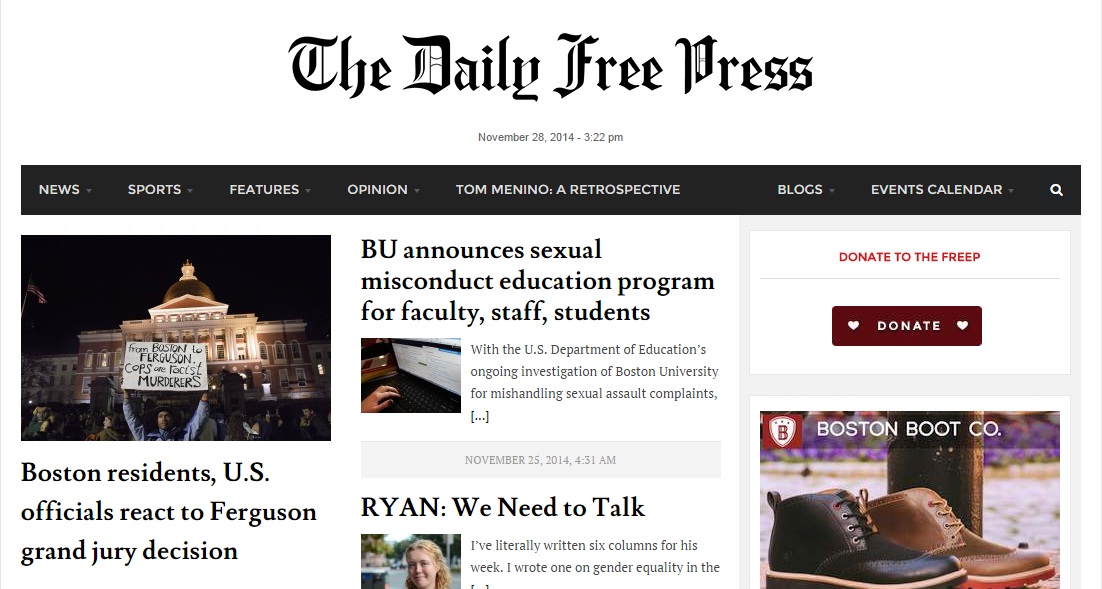
Independent student newspapers struggle in an increasingly digital world. Advertising revenue is shrinking. Budding journalists must learn how to fill the gap while maintaining news coverage free of administration censorship.
Of the more than 500 student newspapers in the US, Index spoke with two papers about their work and how they finance themselves independently.
“We really value our independent status because it allows us to be critical of the administration and be a watchdog of our university,” Kyle Plantz, editor-in-chief at Boston University’s Daily Free Press, said in an email interview.
The paper formed in 1970 after the university’s then president John Silber cut funding to two campus publications to prevent coverage of Kent State protests. As a result they merged to become the Free Press.
In recent years, Daily Free Press staff has written articles covering topics on campus such as gender neutral housing and students’ issues with the Student Activities Office, which oversees student organisations. In late 2011-2012, the paper provided extensive coverage of the arrest of two ice hockey players charged with sexual assault.
Nicole Brown, editor-in-chief at New York University’s Washington Square Press, also said her paper acts as a watchdog on the NYU administration.
“We need to be able to question our university and present information to the community,” Brown said. “We also need to be able to voice our opinions without fear of being punished for those opinions.”
The Washington Square Press keeps an open dialogue on campus through its feature, NYU Reacts. It includes students’ thoughts on topics ranging from ISIS subway threats to pro-democracy protests in Hong Kong. The paper also publishes articles on sensitive issues, such as a November 2013 piece in which NYU faculty express concern over the London campus’s rapid expansion.
Many student papers struggle to maintain steady revenue. Brown said the Washington Square Press relies on advertising, sold and managed by student staff.
“With a move toward more online content, there are more opportunities to sell ad spaces online, as well as in print,” Brown said.
For the Free Press, nearly $70,000 (£44,576.05) debt to their printers recently threatened to shutter their publication. They switched from publishing four days a week to once a week and, on 10 November, launched a crowd-sourcing campaign.
The paper surpassed their goal and raised over $82,000 in just three days, with Daily Free Press alumnus Bill O’Reilly donating $10,000 and local businessman Ernie Boch Jr. donating $50,000.
“[Reducing publication], along with cutting some other costs, we are able to continue to receive ad revenue and sustain our weekly print edition,” Plantz said. “We are assessing how we want to use [the extra funds] and what will be beneficial to our organization in the future.”
Independent newspapers must find a way to financially sustain themselves or campuses will lose reliable, student-run news.
As Plantz said, “We are one of the only outlets that allow students to have a voice, question authority, and be a place for students, faculty, staff, and the administration to come together to learn about what’s happening on campus.”
This article was originally posted 28 November on indexoncensorship.org