Middle East media round up

Morocco’s on-again off-again ban on the Al Jazeera satellite news channel is apparently on again. The kingdom is famously touchy about certain issues — last year it banned a magazine for publishing an opinion poll about King Mohammed II’s popularity. The poll actually showed a 91 per cent approval rating, but the palace felt it was disrespectful to even ask the question.

This time around, there doesn’t seem to be one specific incident that prompted the latest Al Jazeera ban. Communications minister Khalid Naciri, in announcing the ban, said the channel’s editorial line, “systematically tarnishes Morocco’s image,” whatever that means, and accused it of “transmitting a caricature of Moroccan reality.”

One news report quoted an anonymous Moroccan government official as saying the regime was reacting “to the way Al Jazeera handles the issues of Islamists and Western Sahara.” The 2003 Casablanca bombings prompted a sweeping crackdown on fundamentalist Muslim groups that continues to this day. Western Sahara, a former Spanish colony, was annexed by Morocco in the mid-70s and remains home to a vibrant separatist movement.

Turkey has once again banned YouTube after the site refused to remove footage linked to a political sex scandal. Access to the site had already been blocked since 2008 over videos that made fun of Turkey’s venerated founding father, Mustafa Kemal Ataturk. That ban was lifted just last week, but within days a new 30-month ban was levied over a video showing the country’s main opposition leader Deniz Baykal in a romantic hotel room tryst with a female staffer. Baykal resigned in May over the scandal. Here’s a link to a (safe for work) excerpt from the video in question.

From the self-censorship file, Egypt’s most prominent modern novelist, Alaa Aswany, is working to PREVENT one of his books from being made available in Hebrew. An Israeli research center translated The Yacoubian Building (an excellent read by the way) against Aswany’s will in the interest, they said, of “expanding cultural awareness”. Aswany, like many Egyptian writers and intellectuals, wants no part of what he considers “normalisation” with Israel until there’s a fair resolution to the Palestinian issue. Aswany, by the way, recently announced he was giving up writing his regular column in the independent daily Al-Shorouk. The reason: the government, as part of its ongoing press crackdown, was raiding and shutting down unrelated businesses owned by Shorouk owner Ibrahim Al-Muallem to pressure him to tone down criticisms by Aswany and other columnists. Also worth reading is the Guardian’s always perceptive Brian Whitaker, here he points out one of the ways Egypt’s government controls information: by monopolising statistics.

In Libya, the government has shut down the weekly Oea newspaper. Coverage of the incident in a Qatari newspaper (in Arabic here) pins the ban to a recent editorial that, “claimed that the government had failed to handle the problem of corruption”. The twist: the paper is partially controlled by Said Al-Islam Qaddhafi, son of the Libya’s leader Col. Muammar Qaddhafi. The paper was already banned for six months earlier this year and only resumed normal publication in July.

In Lebanon, the country’s General Security office censored a five-minute scene from a recent play. The scene in question dealt a little too flippantly with Hizbollah leader Hassan Nasrallah. The play’s Shia writers claim they meant no disrespect to Nasrallah and say they are mystified by the decision. Lebanon is known as a bastion of comparative liberalism in the Middle East, but the General Security office in the Ministry of Interior still has broad powers to ban works of art that could upset the country’s delicate political sensitivities.

Courtesy of the +972 blog, here’s a useful guide to the political line of the major Israeli newspapers, for those seeking to unravel the often bewildering complexities of Israeli politics.

Ashraf Khalil: Editor’s prediction comes to pass

Ibrahim Eissa, the iconic editor-in-chief of Egypt’s al Dostour daily newspaper, practically telegraphed his own professional demise. In a column last week, discussing the recent shutdown of a satellite news programme, Eissa made ominous predictions about a looming press crackdown.

Parliamentary elections are coming this autumn with a presidential vote next year. President Hosni Mubarak is 82 and frail, with no clear successor in place. With both elections widely expected to be marred by vote-rigging and intimidation tactics, Eissa predicted that the government would move to suppress the country’s independent media voices.

“The Egyptian regime cannot give up cheating in elections, so the only solution for the authorities is to stop any talk about rigging, rather than stopping the rigging itself,” Eissa wrote. He wrapped up by saying that the government was only starting with the satellite channels, “and then the turn of the newspapers will come.”

On Tuesday, according to Eissa’s supporters, his turn came. He was abruptly fired by al Dostour’s new owners, prompting protest sit-ins by his staff and predictions of a widening media crackdown.

Known as a talented writer and savagely witty government critic, Eissa’s al Dostour was one of the main players in a crowded independent newspaper scene. The paper has displayed a passion for uncovering government scandal and offered lavish coverage of Mohammed ElBaradei’s campaign for domestic political reform.

But al Dostour’s real trademark has been Eissa’s own front-page columns, where he gleefully made a regular habit of targeting the government’s sacred cows. Last year, when Mubarak’s son, and rumoured successor, Gamal was giving a high-profile string of speeches and interviews, Eissa responded with a column bearing the simple headline: “Mr Gamal Mubarak, sir, would you please shut up?”

Not surprisingly, Eissa has been in trouble before. He was al Dostour’s first editor-in-chief when the independent paper was launched in 1995. Three years later, the paper was forcibly shut down and Eissa was essentially blackballed after publishing a letter allegedly from an Islamist terrorist group threatening attacks on Christian businessmen.

In 2005, al Dostour was allowed to return with the same ownership and with Eissa at the editorial helm again. The country’s political dynamics had changed by then, thanks partially to the emergence of the feisty Kefaya movement–which directly challenged the taboo on criticising the president or his family.

In 2006, he was sentenced to a year in prison for writing about a lawsuit personally accusing Mubarak of corruption. That sentence was reduced to a fine. In 2007, he was sentenced to two months in jail for crossing a major red line by writing that Mubarak’s health was deteriorating. His sentence was eventually commuted by presidential decree.

Al Dostour was purchased last month by a group led by business tycoon Sayyed al Badawi, who also heads the liberal Wafd party. Eissa’s problems with the new ownership appear to have begun almost immediately. In a series of interviews, Eissa said the final conflict with the new owners surrounded an editorial written by ElBaradei and timed to run this week on the anniversary of Egypt’s 1973 attack on entrenched Israeli positions in the Sinai, known as the October war or the Yom Kippur war. Eissa said the owners felt it would be disrespectful to run such a critical article on a patriotic national holiday.

“They wanted me to remove the article written by ElBaradei… I objected, they asked me to refrain from publishing it for a few days but then a few hours later I was informed of (my dismissal),” said Eissa.

Al Badawy, the head of the new ownership group, denied that the ElBaradei article was the source of the conflict, and indeed the editorial ran on the front page of the Wednesday edition.

For what it’s worth, it’s hard to see why this particular editorial prompted Eissa’s sacking. ElBaradei’s article hails the 1973 Egyptian assault as “a victory for precision and planning. It was the opposite example of the chaos and randomness that Egyptian society has known since then”.

Whatever the reasons, Eissa appears to be on the verge of his second major blackballing. His regular satellite television show was pulled by the government less than a month ago.

“I do not know what to call this, except a systematic removal from the media,” wrote Zenobia, a prominent local blogger who has closely tracked the case. In a series of interviews, he pointed to a systematic effort to muzzle the independent media before what could be an unstable and messy election/succession cycle.

There’s a silencing of many of the independent voices present,” Eissa told the Shorouk daily newspaper. “It’s another return to the atmosphere before 2004 when the Kefaya movement appeared on the Egyptian street.”

Ashraf Khalil is senior reporter for Al Masry Al Youm English Edition

Editor’s prediction comes to pass

Ibrahim Eissa, the iconic editor-in-chief of Egypt’s al Dostour daily newspaper, practically telegraphed his own professional demise. In a column last week, discussing the recent shutdown of a satellite news programme, Eissa made ominous predictions about a looming press crackdown.

Parliamentary elections are coming this autumn with a presidential vote next year. President Hosni Mubarak is 82 and frail, with no clear successor in place. With both elections widely expected to be marred by vote-rigging and intimidation tactics, Eissa predicted that the government would move to suppress the country’s independent media voices.

“The Egyptian regime cannot give up cheating in elections, so the only solution for the authorities is to stop any talk about rigging, rather than stopping the rigging itself,” Eissa wrote. He wrapped up by saying that the government was only starting with the satellite channels, “and then the turn of the newspapers will come.”

On Tuesday, according to Eissa’s supporters, his turn came. He was abruptly fired by al Dostour’s new owners, prompting protest sit-ins by his staff and predictions of a widening media crackdown.

Known as a talented writer and savagely witty government critic, Eissa’s al Dostour was one of the main players in a crowded independent newspaper scene. The paper has displayed a passion for uncovering government scandal and offered lavish coverage of Mohammed ElBaradei’s campaign for domestic political reform.

But al Dostour’s real trademark has been Eissa’s own front-page columns, where he gleefully made a regular habit of targeting the government’s sacred cows. Last year, when Mubarak’s son, and rumoured successor, Gamal was giving a high-profile string of speeches and interviews, Eissa responded with a column bearing the simple headline: “Mr Gamal Mubarak, sir, would you please shut up?”

Not surprisingly, Eissa has been in trouble before. He was al Dostour’s first editor-in-chief when the independent paper was launched in 1995. Three years later, the paper was forcibly shut down and Eissa was essentially blackballed after publishing a letter allegedly from an Islamist terrorist group threatening attacks on Christian businessmen.

In 2005, al Dostour was allowed to return with the same ownership and with Eissa at the editorial helm again. The country’s political dynamics had changed by then, thanks partially to the emergence of the feisty Kefaya movement–which directly challenged the taboo on criticising the president or his family.

In 2006, he was sentenced to a year in prison for writing about a lawsuit personally accusing Mubarak of corruption. That sentence was reduced to a fine. In 2007, he was sentenced to two months in jail for crossing a major red line by writing that Mubarak’s health was deteriorating. His sentence was eventually commuted by presidential decree.

Al Dostour was purchased last month by a group led by business tycoon Sayyed al Badawi, who also heads the liberal Wafd party. Eissa’s problems with the new ownership appear to have begun almost immediately. In a series of interviews, Eissa said the final conflict with the new owners surrounded an editorial written by ElBaradei and timed to run this week on the anniversary of Egypt’s 1973 attack on entrenched Israeli positions in the Sinai, known as the October war or the Yom Kippur war. Eissa said the owners felt it would be disrespectful to run such a critical article on a patriotic national holiday.

“They wanted me to remove the article written by ElBaradei… I objected, they asked me to refrain from publishing it for a few days but then a few hours later I was informed of (my dismissal),” said Eissa.

Al Badawy, the head of the new ownership group, denied that the ElBaradei article was the source of the conflict, and indeed the editorial ran on the front page of the Wednesday edition.

For what it’s worth, it’s hard to see why this particular editorial prompted Eissa’s sacking. ElBaradei’s article hails the 1973 Egyptian assault as “a victory for precision and planning. It was the opposite example of the chaos and randomness that Egyptian society has known since then”.

Whatever the reasons, Eissa appears to be on the verge of his second major blackballing. His regular satellite television show was pulled by the government less than a month ago.

“I do not know what to call this, except a systematic removal from the media,” wrote Zenobia, a prominent local blogger who has closely tracked the case. In a series of interviews, he pointed to a systematic effort to muzzle the independent media before what could be an unstable and messy election/succession cycle.

There’s a silencing of many of the independent voices present,” Eissa told the Shorouk daily newspaper. “It’s another return to the atmosphere before 2004 when the Kefaya movement appeared on the Egyptian street.”

Hossein Derakhshan may face death penalty

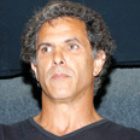
Hossein Derakshan

Following reports this week that the prosecution is seeking a death sentence for Hossein Derakhshan, the “blogfather”,  his friend Sandrine Murcia considers why he decided to return to Iran

“I’m so happy with my work. I learnt so much in the past year;  it opened up for me so many new ways of thinking. I can’t wait to use all this in my writing.”

This is what a busy, excited Hossein Derakhshan told me in September 2008 about his MA in Media Studies at the School of Oriental and African Studies (SOAS) in London. During his time at SOAS, Hossein started to reconsider his role as a blogger, and began thinking about what to do next. Hossein loves blogging as much as he loves discussions and debates, but he could not see himself just blogging for the rest of his life. It had certainly been a valuable tool in engaging with others and sharing thoughts, but it was the purpose, not the act of blogging in itself, that most interested him.

Hossein was also eager to go back to Iran. He disliked being away from his family and from his native Tehran — the city he loves so much — and said he did not want to be “disconnected” from the real life of the Iranian people. He wanted to enjoy Nooroz (Iranian New Year) at home; he wanted to be in Tehran for the 30th anniversary of the Iranian Revolution; he wanted to be in Iran for the 2010 presidential elections.

So, as the end of his time at SOAS approached, Hossein decided to go back to Iran for a year or so. He knew he was going to be questioned by the police; he knew he would probably be arrested because of his writings and his trips to Israel. But he believed the period running up to the election would be a time of greater exchange and discussion across Iran. He thought that officials might be less inclined to treat him unfairly, and that if he were detained, he would at least have the opportunity to publicly explain himself, his writings and his actions.

Hossein Derakhshan returned to Tehran on 17 October 2008. Two weeks later,  he was arrested at his parents’  house and has been detained in Evin prison ever since.

All his rationales about the trip were proved wrong. Not only was he arrested, he was then given no chance to explain himself. Hossein never thought he could be detained for so long.

Meanwhile, his family and friends were given strictly no news about his whereabouts and whether he was still alive.  After two months in the dark, an official press communication in December 2008 confirmed Hossein’s arrest and detention in Evin prison. For another eight months, the Derakhshan family was denied further information. They were told in July 2009 that Hossein was finally out of solitary confinement awaiting trial. There were no indications about what charges he would face, and the family were not given any access to him.

Hossein was finally brought to court for trial earlier this year. After three sessions, which his family were not allowed to attend, Hossein is still waiting for the judgment to be passed.

Two years after his initial arrest, we are now waiting for the judge’s final verdict.

To support Hossein Derakhshan:

Sign the petition Release Hossein ‘Hoder’ Derakhshan from Evin Prison

Contact the Canadian Embassy in Iran via [email protected] to push for action

Join Free Hossein Derakhshan // Libérez Hossein Derakhshan on Facebook

For further information go to   www.freetheblogfather.com

SUPPORT INDEX'S WORK