16 Sep 2011 | Iran, Middle East and North Africa
With the strict supposedly “moral” codes imposed on Iranian society with increasing conservatism in recent times, this latest directive – banning ‘love triangles’ and ‘half naked men’ — issued to television programme directors this week, strikes me to be of little significance. It was more than 10 years ago that I reported in the Touch issue of COLORS magazine that even if married in the story, couples were not allowed to be filmed touching in any way. This distortion of every day living is pursued in all depictions of life in television and film and is known to be a distortion and deliberate by those imposing it. This was transparent in this latest ordinance because the wording was such:
“The unnecessary mingling of men and women in scenes including weddings, family parties, work situations and celebrations must also be strictly avoided.”
I use the word ordinance because such directives come from Iran’s Supreme Leader in however a round about way. It is Khamenei who carefully chooses the head of the Islamic Republic of Iran Broadcaster, and by law all channels are owned and controlled by the state.
This gross misrepresentation of us as a people, within a culture that celebrates community and family values, respect for elders and warmth and understanding in interpersonal relationships — now replaced by an imposed monstrous utopia — is a tragedy and consequential. In essence all it promotes is a parallel existence, lies and false conformity and very questionable moral codes. The fact that weddings and other family gatherings are as good as banned on television because men and women would necessarily be seen to be mingling, presents a view of society to a generation of children that does not match their daily experiences and therefore establishes the double life idea, instilling a sense of an unfamiliar model on-screen life and the other real one.
The Washington Times reports that this may all be a backlash to the popularity of an Iranian soap opera Forbidden Fruit that posed a threat to public morality. But given that half naked men amount to a fantasy concept on Iran’s state television, does this mean the directive could be aimed at sports too? The tradition of wrestling matches in Iran is normally broadcast despite the dominance of scantily-clad men. Watch this amazing clip for an insight:
Too Young The Hero
Entitled ‘Too Young The Hero’, it’s a primer for a proposed documentary following three young lads as they prepare for the World Wrestling Championships in Hungary. The project needs $4000 to go ahead and has opened up a fundraising initiative to the public, where a $10 donation will get you a 1000 Toman note with the film’s title stamped on it, and more for more. There are 9 days to pledge.
16 Sep 2011 | Events
The Hacked Off campaign, in association with the Liberal Democrats’ Social
Liberal Forum, and with the support of Index on Censorship and English PEN,
will be holding a fringe meeting with Hugh Grant at the Liberal Democrat
Conference 2011 in Birmingham.
“Phone Hacking, Privacy and Libel — The Future of the Press”,
will take place in the International Conference Centre (ICC) on Sunday
18 September at 1pm, in Hall 8b.
John Kampfner, chief executive of Index on Censorship, will join actor Hugh Grant, Liberal Democrats media spokesman Don
Foster MP, lawyer Charlotte Harris, and the Guardian’s head of media and
technology Dan Sabbagh. The fringe meeting will be chaired by former Lib Dem MP and member of the
Hacked Off advisory committee Dr Evan Harris.
The panel will discuss topics such as the current status of the Leveson and select committee
inquiries into phone hacking; police
investigations, such as Operation Weeting and Operation Elveden; the libel bill and Communications Review bill.
Panellists will also talk about the future of press self-regulation; the need for privacy reform, and the potential impact of changes to the UK’s libel laws.
John Kampfner will discuss press freedom in the light of phone hacking, privacy, super injunctions and Index’s ongoing Libel Reform campaign. While there has been concern about media standards in the UK, Index on Censorship strongly resists anything that will curb the freedom of the media. Maintaining media freedom in the UK is vitally important in a country condemned by the UN for its libel laws.
“Phone Hacking, Privacy and Libel – The Future of the Press” will take place
in the International Conference Centre (ICC) on Sunday, September 18, at
1pm, in Hall 8b.
The centre is inside the conference’s secure zone, so a conference pass is
needed to attend.
The ICC is on Broad Street, Birmingham, B1 2EA. Hall 8b is located on Level
5.
16 Sep 2011 | Magazine, News
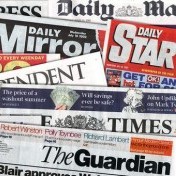 As steps are taken to examine standards in British journalism, Index on Censorship looks back over 20 years, when politicians and the public were making very similar demands. David McKie’s 1990 account of public revulsion and political outrage shows just how little things have changed
(more…)
16 Sep 2011 | Index Index, minipost, News
Unknown gunmen shot 20-year-old radio journalist Horriyo Abdulkadir Sheik Ali four times on Wednesday evening as she left her office at Radio Galkayo, the state broadcaster in the Garsoor neighborhood of Galkayo, Somalia. Abdulkadir is news editor, producer, and presenter for Radio Galkayo and a correspondent for Mogadishu-based Radio Risaale. A colleague said Abdulkadir had complained of repeated threats by unknown callers over her coverage of the conflict between government troops and militias.
