What do a book festival in Adelaide and a secondary school in Bristol have in common? Both were in the news this week after being mashed up in rows over Israel and Palestine and both for doing the same thing – cancelling speakers they’d invited. Neither organisation went looking for an argument but they found themselves at the centre of rows where reputations were trashed, as in the Australian case, and parents, students and a politician doubtless feel less safe, as in the Bristol case. Now most people looking at either of these cases will be less likely to invite controversial figures to schools – even a local MP – or to have outspoken speakers at book events.
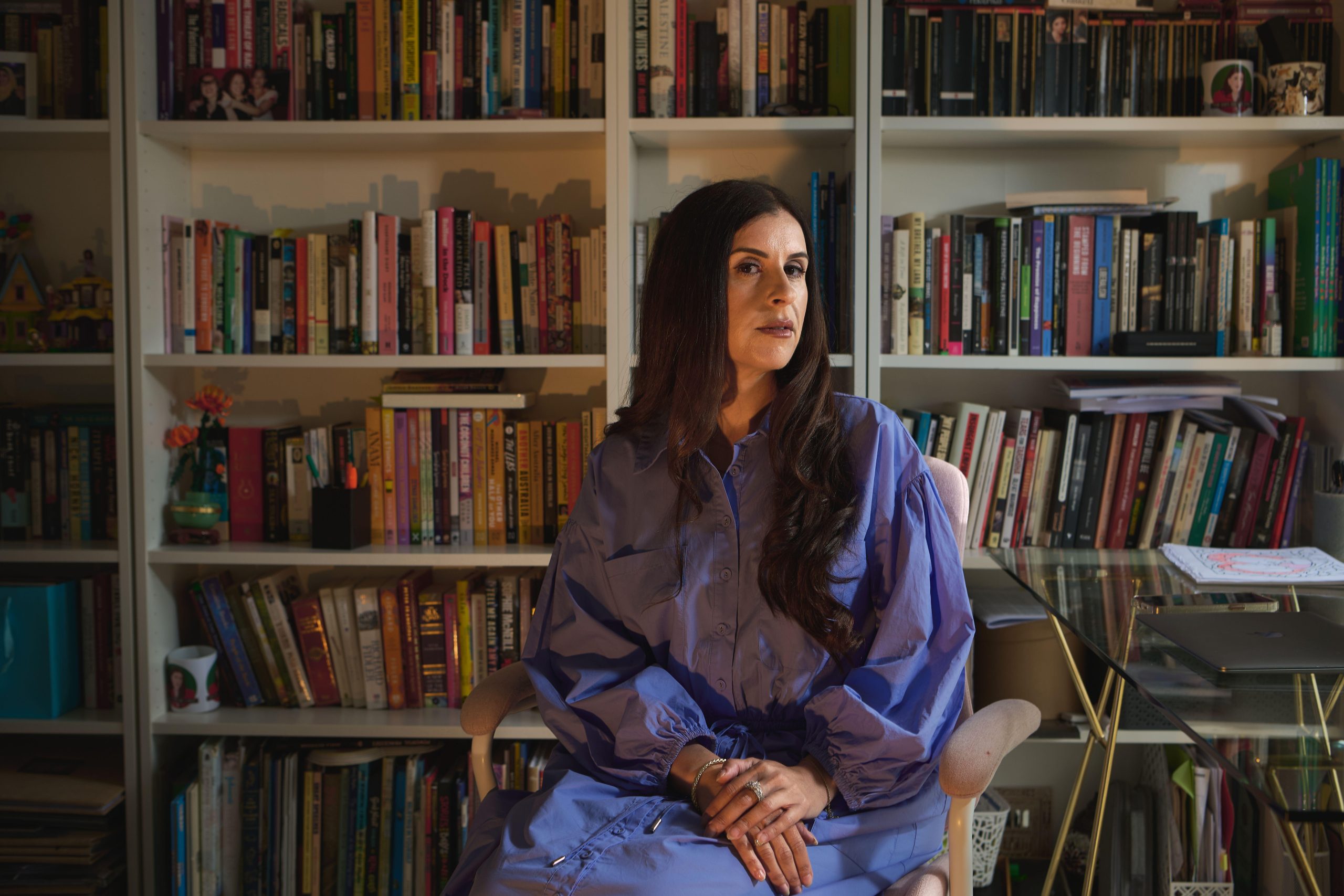
The Adelaide Book Festival should have been a little more aware than the Bristol school that they might find themselves in a spot of bother. They invited the Palestinian Australian author Randa Abdel-Fattah to appear at the festival. Abdel-Fattah is a novelist, lawyer and academic and had been asked to come and talk about her new book Discipline, published by the University of Queensland Press. The book ironically is about a journalist and academic navigating censorship in the wake of the Israel-Gaza war. In September, The Guardian in London, which has a large presence in Australia, interviewed her. The interviewer made clear that she was a controversial figure: the Australian Research Council Future Fellowship grant she had been using to create a digital archive of Arab activism had been suspended after criticism from Jewish groups. She’d made several anti-Israeli and anti-Zionist comments on social media, including saying that Zionists had “no claim or right to cultural safety”. And she’d already withdrawn from the Bendigo Writers Festival last August after a code of conduct was issued telling panellists to “avoid language or topics that could be considered inflammatory” when some 50 other authors walked out with her. Abdel-Fattah has made a point of being outspoken, and other authors had shown themselves inclined to follow her lead.
So there is no way that the Adelaide Book Festival could claim that they didn’t know. And if further proof be needed, she had spoken at the book festival two years and joined others in asking for New York Times columnist Thomas Friedman to be de-platformed. He didn’t come because of “scheduling issues”. If the book festival didn’t want her to speak, they could have quietly not invited her. They obviously felt she had important things to say.
But following the murder of Jewish people celebrating Hannukah on Bondi beach, Abdel-Fattah’s remarks looked very different, or as the board wanted to “reiterate” (before they resigned) in an apology to Abdel-Fattah about the way she was disinvited, “this is not about identity or dissent but rather a continuing rapid shift in the national discourse around the breadth of freedom of expression in our nation following Australia’s worst terror attack in history.” Abdel-Fattah, as you might expect, has hit back accusing the board of being “disingenuous”.
The Adelaide Book Festival is now in crisis and has been cancelled. Zadie Smith and 180 other participants, including the former New Zealand Prime Minister Jacinda Ardern and the British novelist Kathy Lette, refused to appear in protest at the treatment of Abdel-Fattah. Rescinding her invitation to speak has meant the loss of an opportunity for difficult conversations about her views to be had, and a book festival brought down with it.
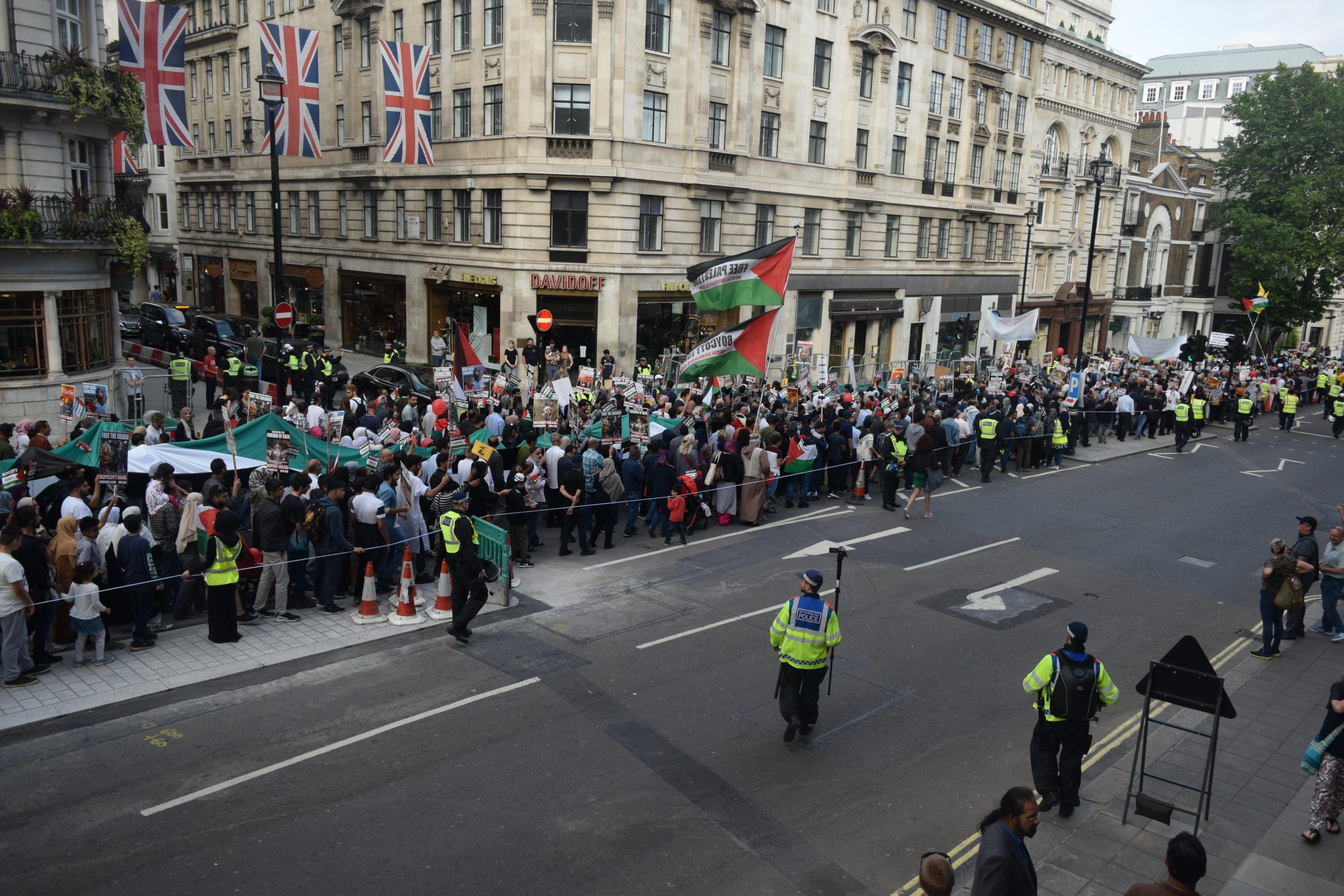
The Bristol Brunel Academy should not have expected to find itself in such a difficult position, because all the headteacher there had done was to invite his local MP to visit, on the topic of democracy no less. Except Damien Egan is vice-chair of Labour Friends of Israel and is married to an Israeli man. The school had some unionised teachers, who told them that if Egan came they would all wear keffiyehs (Palestinian scarves) and demonstrate outside the school along with parents and members of the public. School leaders took fright and cancelled the visit at the last moment.
The visit should have gone ahead, but the safeguarding of students at schools is all important and teachers can become easily spooked. The academy trust has now said they have taken police advice, and the visit will be rebooked. The Times has run a further story saying that the same teacher group boasted about cancelling a speaker from an Israeli tech firm at the school’s summer conferences. All this is in the wider context of a bitter political fight between Labour and the Green Party in Bristol, and a direct action protest movement around the Bristol-based Israeli arms company Elbit, for which Palestine Action activists are being prosecuted for aggravated burglary among other charges.
While it is understandable that the school, in this kind of atmosphere, might want to act with caution and also that the MP might feel aggrieved (though he has said nothing so far), it’s another matter how Steve Reed, the Secretary of State for Communities, waded in. He highlighted the case at a Jewish Labour Movement conference months after the incident thus: “I have a colleague who is Jewish, who has been banned from visiting a school and refused permission to visit a school in his own constituency, in case his presence inflames the teachers”. He went on to say it was “an absolute outrage” and vowed to hold school leaders to account.
It looks at least from the outside as if Reed was playing politics with the school. As a cabinet minister he is the government not a campaigner. Why hadn’t he just reported the issue to the Department for Education and Ofsted? It might well have been a serious immediate issue, particularly for any Jewish young people at the school. But let’s assume school leaders were trying to do the right thing. They have now found themselves in the middle of a battle between politicised teaching unions (who of course have the right to protest, but also to teach young people in a non-biased way) and a senior government minister inflaming the row between the Greens and Labour in Bristol, all fought under the proxy banners of Israel and Palestine.
The protesting teachers clearly don’t want a debate; the school and Egan perhaps do. Either way the real-world losers? Free expression and the students who are seeing grown-ups trying to shut each other down rather than learning about how to debate in a democratic society on difficult issues.
If we are to have a world where free expression is to be encouraged, literary festivals and schools should be safe spaces to talk about uncomfortable ideas. Instead, they are being laid waste by those who won’t stand by decisions to invite controversial speakers when the heat is on, and others who want to make political hay at the expense of young people. All this too shuts down a proper discussion of what is actually going on in the Middle East.