Broad, sweeping legislation passed at breakneck speed isn’t generally great for freedom of expression, so right now we’re nervous about the National Security (State Threats) Bill 2026, which was announced only a few weeks ago and is expected to pass into law this week. The Bill, which builds on the 2023 National Security Act, would allow the UK government to label state-backed groups as terrorist organisations. Superficially there’s much to like. It’s clearly been created to deal with two major issues: transnational repression, a growing threat in the UK, especially for dissidents, and meddling by foreign states who are driving divisions and likely behind some recent attacks on Jewish communities. In the explanatory note attached to the Bill various scenarios are listed. While hypothetical they clearly mirror real-life events. One example sounds close to the case of Iran International journalist Pouria Zeraati, who was stabbed outside his home in London in 2024. All good yes? Well, not entirely.
The Bill introduces a set of new criminal offences. Any person who “support[s], assist[s] and obtain[s] material benefits” from a ‘designated’ body could face up to 14 years in prison per offence. Material benefits include information. This could mean that a journalist interviewing someone from within a designated group, or obtaining materials from such a group, could fall foul of the new law. Incoming two scenarios: A journalist gets imprisoned for interaction with a designated group or a journalist steers clear of them altogether. Both are bad for media freedom. A good journalist forensically investigates all sides of a story, they expose wrong-doing and, to cover their back, they get rights-of-reply – all of which involve interaction with nefarious players from time to time. Hallelujah for that – our democracy is stronger for it.
The government are aware of this pitfall, which is why in the policy paper that accompanied the Bill’s announcement they have “journalistic freedoms” in the safeguard section as a “relevant defence”. But it’s not in the Bill itself, where it would hold more weight.
The policy paper mention is also broad. Who is a journalist? Do you need to have a formal journalism qualification? Do you need to be staff at a media organisation? What of freelancers? Would stringers count? Which company? Legacy media? How about new outlets? Are bloggers covered? These questions aren’t trivial. Just look at the war in Gaza, where arguments about who qualifies as a journalist have raged from the start.
It also puts powers in the hands of judges to decide if the journalism defence holds weight. You can imagine the courts being gummed up with journalists waiting for a judge to decide whether the comment they were given by a hostile state fell foul of the law. Most likely the journalist wouldn’t bother asking for the other side of the story.
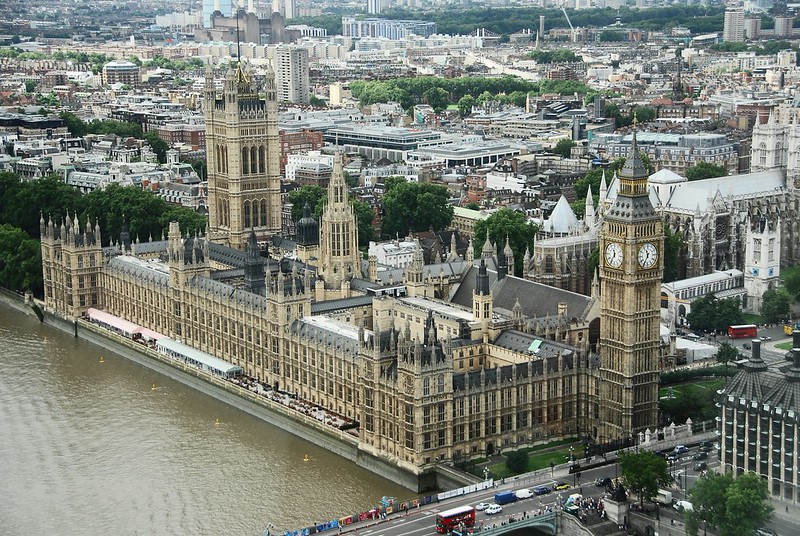
I’ve laid out a lot of what-ifs, but that’s precisely the point. For something to become law MPs need time to scrutinise, to ask questions, to get answers and then make relevant amendments. Organisations like Index need to have time to raise concerns with our elected representatives too. None of that has happened here, and it’s why we’re worried. When the necessary time and attention isn’t given to complex issues especially around areas like terrorism, then overly oppressive laws can be easily slipped onto the statute books.