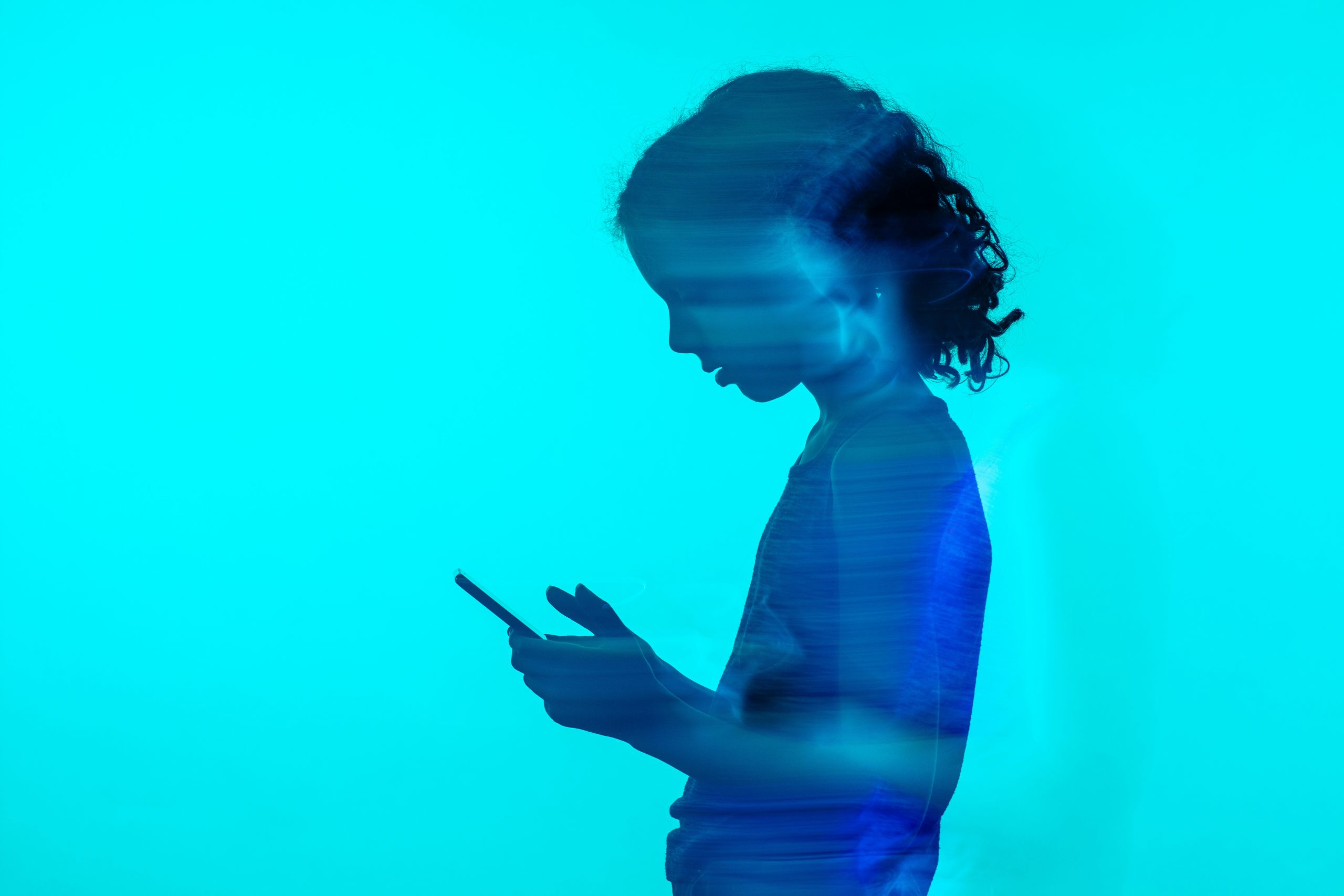
The UK government has announced a ban on social media for under-16s and then some kind of social media curfew at night for children between 17 and 18.
I’m pretty sympathetic to the idea that we need to hold social media companies to account for children and young people’s unfettered access to the kind of content that would be pretty bad for me as an adult if I sought it out.
I know of young teenagers who have been lured into sending nude pictures to a sexy “woman” online and then told the images will be sent to all their friends unless they hand over a lot of money. And anorexic girls who find others online to compare what food they have eaten and how to outwit the doctors and parents who are trying to help them. And 14-year-old boys who are pushed vile misogynistic content from the manosphere because the algorithm has identified them as being just that, a 14-year-old boy. Most young people will have seen hardcore violent porn – stuff that my generation couldn’t have even accessed in licensed porn shops – by the age of 11 or 12.
At one time a few years ago, kids regularly shared videos of beheadings in the playground. When we carried out research for our Gen Z themed issue last year, many young people said they had seen the video footage of Charlie Kirk being shot.
But ban children from most social media platforms altogether? What is their right to free expression? YouTube can push you manosphere videos, but many young people use YouTube to learn: from understanding maths to grasping complicated concepts. This is important in general and especially important for dyslexic kids who have problems reading, or for children from poorer households without books. Social media – often a gateway to the internet more broadly – can open up a world that as a teenager you might never experience at home: music, books and culture. Social media often gives people the words to describe how they feel and who they are. Instagram is just as much a place to share dance routines and comedy sketches as it is to learn about politics and news. Social media is a place of protest too, and yes, even for the under-18s. We didn’t object to the revelation that youth revolts against an elderly oligarchy in Nepal were organised via the gaming site Discord, and that a viral video of a schoolboy kicked them off.
In 2026 digital rights are a central part of freedom of expression, not just an add-on, and freedom of expression is not just something you get as a grown-up.
This is before we consider whether a social media ban is possible. It undoubtedly isn’t. Australia which introduced a ban (although not on YouTube, gaming sites or education sites) has shown us that young people and families can very well circumvent it. At least 60% of young people are still on social media, including on many much less regulated than sites like Snapchat.
VPNs make it easier to bypass all national regulation. We use VPNs at Index as an extra layer of security and privacy and we acknowledge the crucial role they play in authoritarian states. Do we want the government to ban them too – or fine children’s parents if they let them use them? How the hell do you police a curfew for 17 to 18 year olds anyway? Will neighbours report young people hanging around the streets after 9pm on their phones? Governments who introduce policies they know won’t work just discredit themselves.
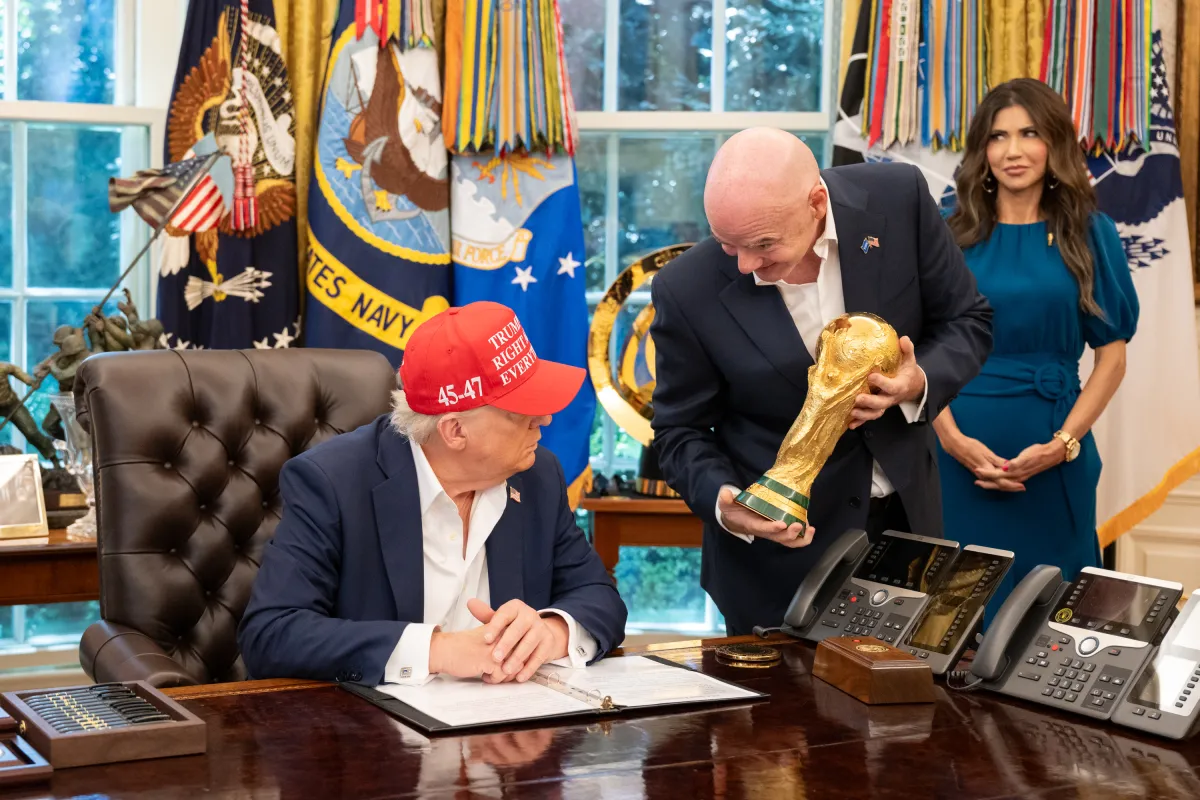
The thing that shocked me most about Prime Minister Keir Starmer’s announcement was that there was no mention of the trade-offs between a social media ban and free expression as if it simply wasn’t an issue. No reassurance that the government wouldn’t decide at some stage that the ban on social media and gaming might extend to adults taking part in perfectly legitimate behaviour which the government might disapprove of. Or an admission that the government itself uses social media sites freely to push its own messages (including the latest announcement).
In many ways, the government’s ban on social media for children feels like an evasion. The government doesn’t want to address the deep problems social media causes for all of us: that X is a platform run by a US-based trillionaire, Elon Musk, who wants to use it to influence our national politics. Or that Mark Zuckerberg talks a good free speech game but his company, Meta, is trying to suppress a book, Sarah Wynn Williams’ Careless People, about how the company operates. Or that extremist views and racist conspiracy theories – including from bad actors which ban social media in their own countries – are being used to cause deep societal divisions and bring huge financial rewards for the social media companies themselves. That’s before we even talk about tax evasion and the way our data (and our children’s data) is being monetised. How social media platforms operate is untransparent, complicated and changing all the time. How children are affected – or not – is doubly complicated. Platforms have vast computing resources – and could be regulated by government to be more transparent about the way they operate without affecting free expression. Then we might all be able to decide democratically what sort of a society we want online – for us and our children.
My kids, now in their 20s, grew up in the current atmosphere. Their generation distrust many things they read online, share tips on how to avoid scams and go on regular detoxes from social media so they don’t endlessly scroll. They have vast networks of real friends online but are increasingly trying to do more things IRL (in real life).
They are incredibly lucky to be living in a liberal democracy, which mostly doesn’t restrict access to social media and where the internet has opened up their minds to untold possibilities and ideas. In China, social media is accessed through government-monitored websites centred round WeChat: every interaction can be seen by the censors if they choose to. VPNs regularly get blocked. Russia is tightening its grip on cyber space and people often find the internet has been taken down by the security services. It’s a similar story in Iran, which is just coming out of a months-long internet blockade. And in these countries and others, we regularly hear of people who comment or like a social media post from a person or organisation the government doesn’t like and end up in prison or worse.
It would be hyperbolic at this stage to suggest the UK is moving in the direction of China, Russia and Iran. But nor should we downplay what a paternalistic move this is. It bypasses the benefits of the internet for children without actually tackling the risks. The internet, when it started, opened up a world of free expression. Today governments should be thinking about how to protect that right to free expression for everyone including young people, not issuing unenforceable bans that will ultimately punish teenagers and their parents – and which ministers know won’t work.
Perhaps the Prime Minister and his cabinet should be looking a little carefully at the older generation’s behaviour. Recent US research showed that it is the over 65s who are most likely to spread misinformation and fake news online. Or is this the next step? Remove the internet from the teens, next the boomers and then all of us.