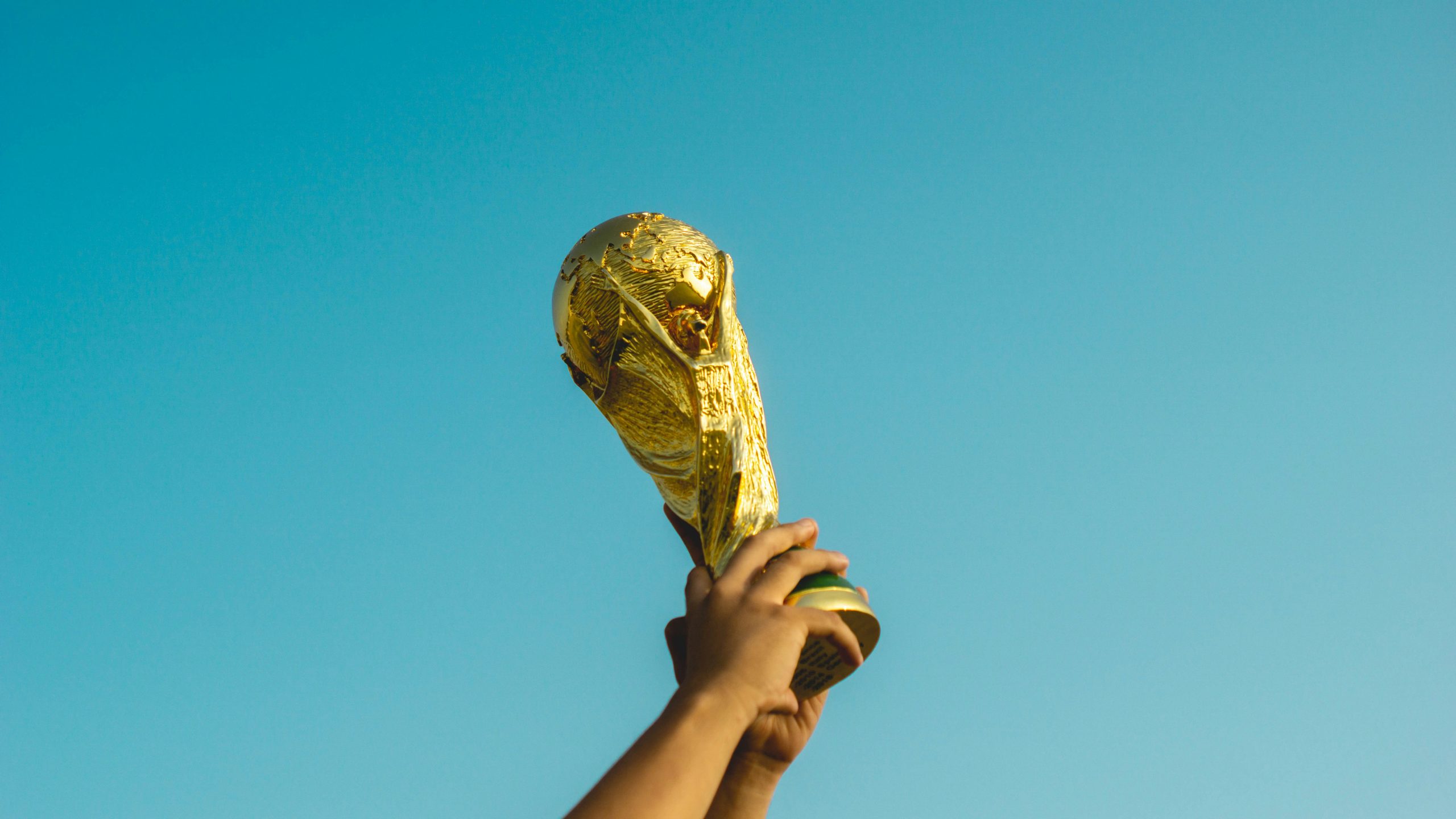
George Orwell didn’t mince his words when it came to international sporting events. In 1945, following Dynamo Moscow’s draw with Chelsea FC – a result that delighted Joseph Stalin – Orwell described such fixtures as “mimic warfare” and “orgies of hate”. Football fans will no doubt take issue with Orwell, arguing that the beautiful game is just as unifying as it is divisive and I’ll admit to a soft spot for a major tournament. But as with all things Orwell, the man has a point.
Today the 2026 World Cup begins, hosted between the USA, Canada and Mexico. Players and referees have already been denied entry to the USA in a sign that the Trump administration’s immigration policy impacts everyone. This isn’t really a free speech issue, but it speaks to a broader chill around immigration, that has also targeted people on the basis of their speech. Organisations that campaign for media freedom are worried. The Press Freedom Tracker has expressed concerns about the role of ICE agents during the tournament and how journalists may be detained for less than favourable reporting. The Committee to Protect Journalists (CPJ) have issued guidance for foreign reporters in the country too. Seeing this, a friend of mine, a former Moscow correspondent, noted that the advice was strikingly reminiscent of guidance issued during the 2018 World Cup in Vladimir Putin’s Russia.
Your average sports correspondent may not have a problem. Football is fairly safe to report on if you stick to what’s happening on the pitch. It does though become more dangerous once you probe beneath. Speak to journalists behind Football Leaks, a cross-border investigation that revealed “how agents, intermediaries and club officials are perverting sporting ethics and tax regulations to maximise their access to the riches generated from football, at the expense of the quality of the game, the development of talent and the wishes of the fans”. Getting the stories out as part of this investigation was riddled with risk. It makes sense. We know the rich and powerful abuse legal systems and professional football is a game of the rich and powerful.
Of more immediate concern are the stories beyond the fixtures, the ones that curious journalists may understandably want to pursue once on the ground in the three countries. While media freedom in Canada remains high, it’s far more fragile in the USA and even more so in Mexico. I’ve heard reports of walls being erected and banners deployed to conceal poverty and urban decay in Mexico. As the nation tries to put its best foot forward, in every sense, will they want reporters snapping away at this?
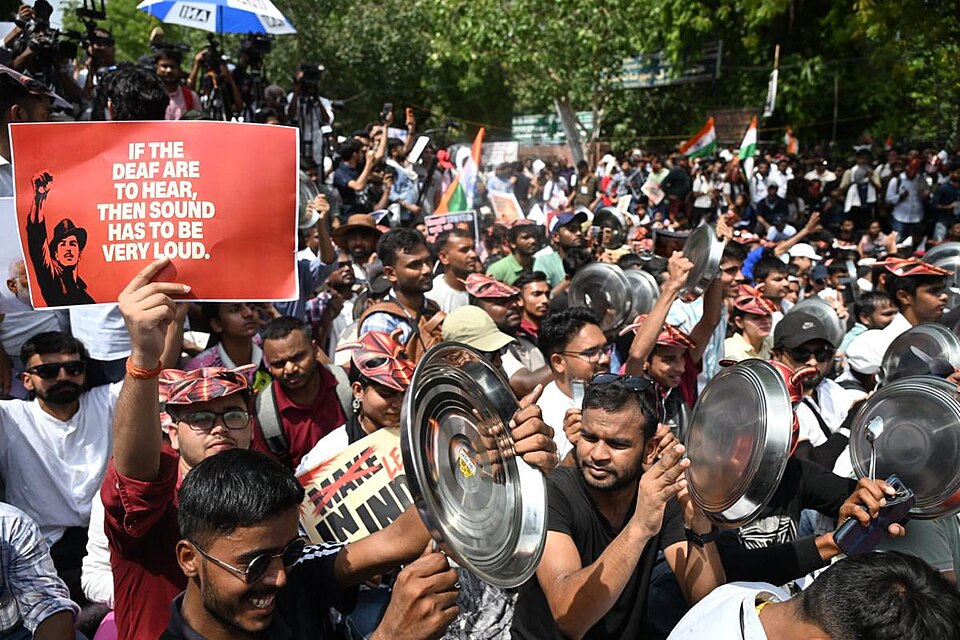
But it’s not all bad. Teachers in Mexico are protesting near the World Cup stadium in an attempt to use this sensitive moment to push through a pay rise. They may very well succeed and the president, Claudia Sheinbaum, has apparently ruled out a heavy-handed response, presumably in part concerned about the current global spotlight. This is far from the grotesque sportswashing exercise of Qatar 2022, a tournament “built on the corpses of migrant workers and the stolen wealth of the Qatari people”, and as a Qatari human rights activist wrote for us at the time.