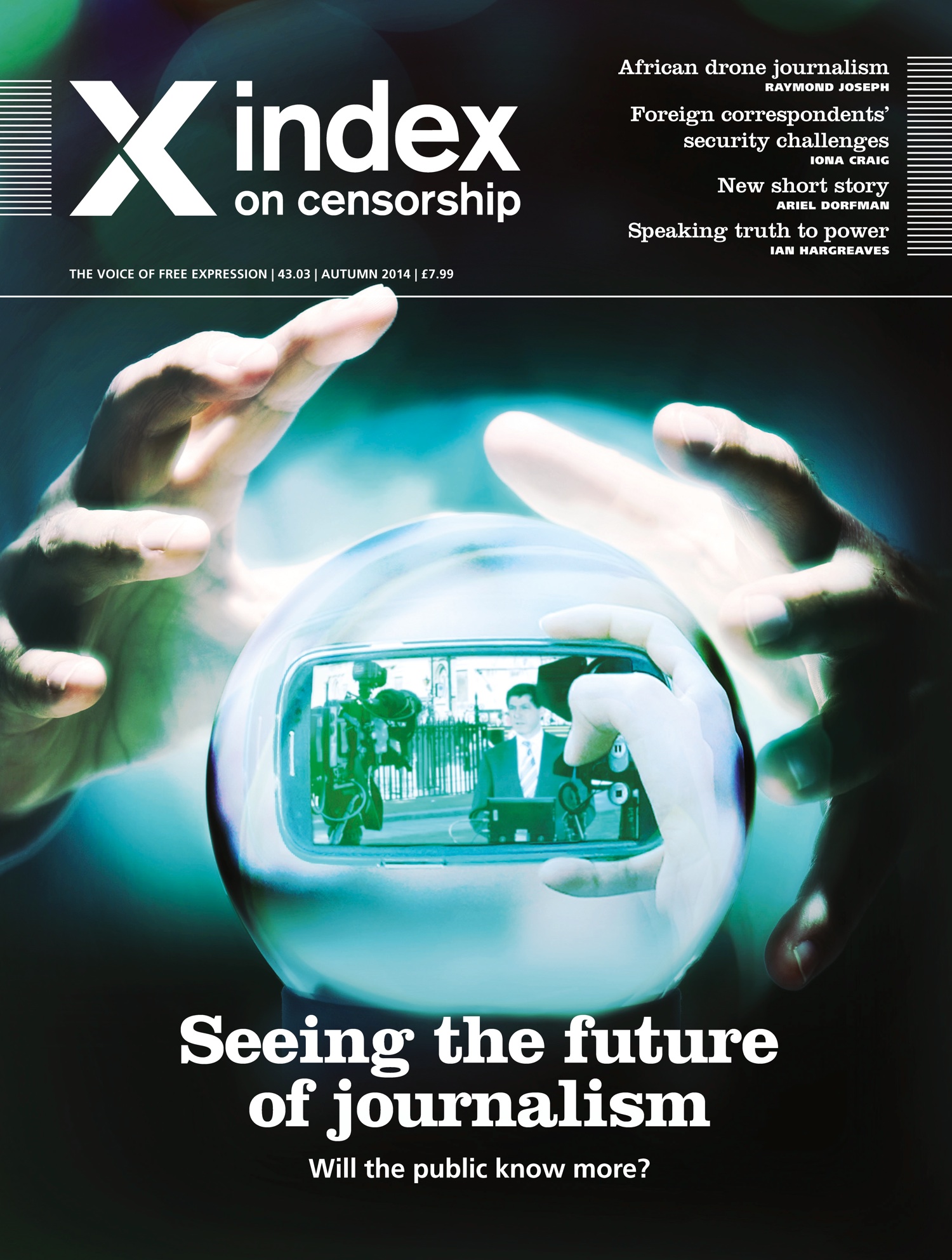
We want to offer free access to Index on Censorship magazine’s ipad or iphone app from a symbolic place that represents freedom or censorship anywhere around the world – and we are calling on you to nominate your choice.
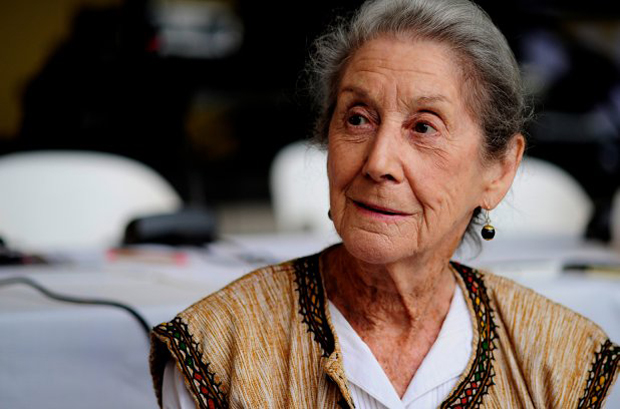
Index remembers the Nobel and Booker Prize winning author, activist and long-time Index supporter
It was a full house at the Goethe Institut in west London on Thursday night as Index magazine launched its latest issue with a debate on freedom in Europe, 25 years after the fall of the Berlin Wall. Did things turned out as we expected?
Our latest issue of Index on Censorship magazine includes a look at “Generation Wall” – the young people who grew up in a free eastern Europe. Tymoteusz Chajdas, 23, from Poland, is one of our contributors.
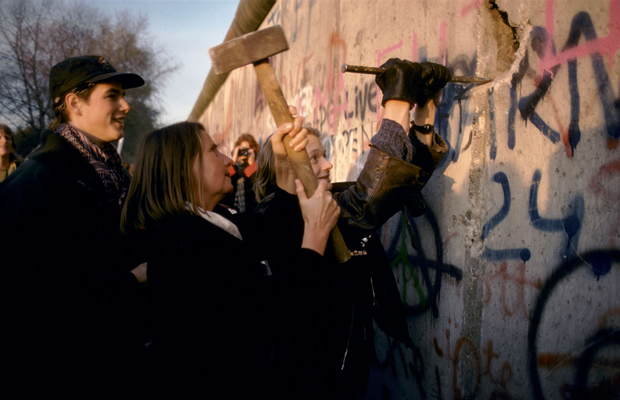
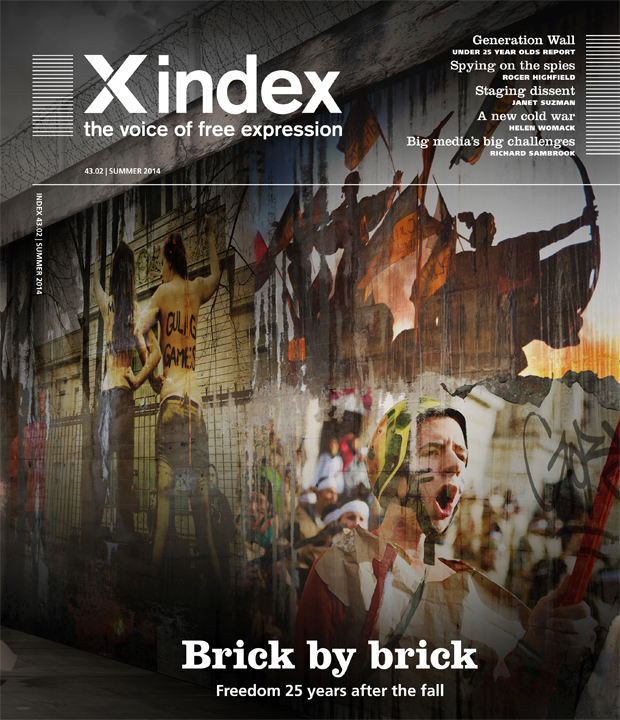
In the summer issue of Index on Censorship magazine, we include a special report: Brick by brick, freedom 25 after the fall of the Berlin Wall.
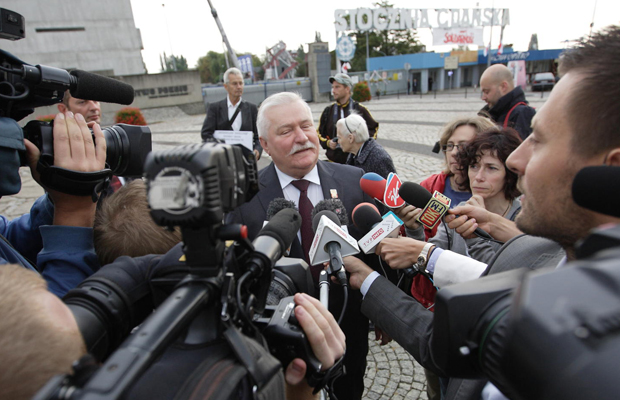
Poland had the largest alternative press on the eastern side of the Iron Curtain – and journalists couldn’t wait for the arrival of democracy. But after its heyday in the early 90s, the Polish media have lost their willingness to take on the powerful, argues Konstanty Gebert
Twenty five years after the fall of the Berlin Wall and the collapse of communism in eastern Europe, join us on 10 July to ask whether any of us are truly freer now?
As the 25th anniversary of the fall of the Berlin Wall approaches, Index on Censorship Rachael Jolley magazine editor argues we should not forget our history
Index on Censorship arrived at the Big Bookend Festival in Leeds to discuss whether it is acceptable for governments and others to withhold information from the public during a conflict
How do news gatherers and publishers adapt to the volume of online content produced every day?
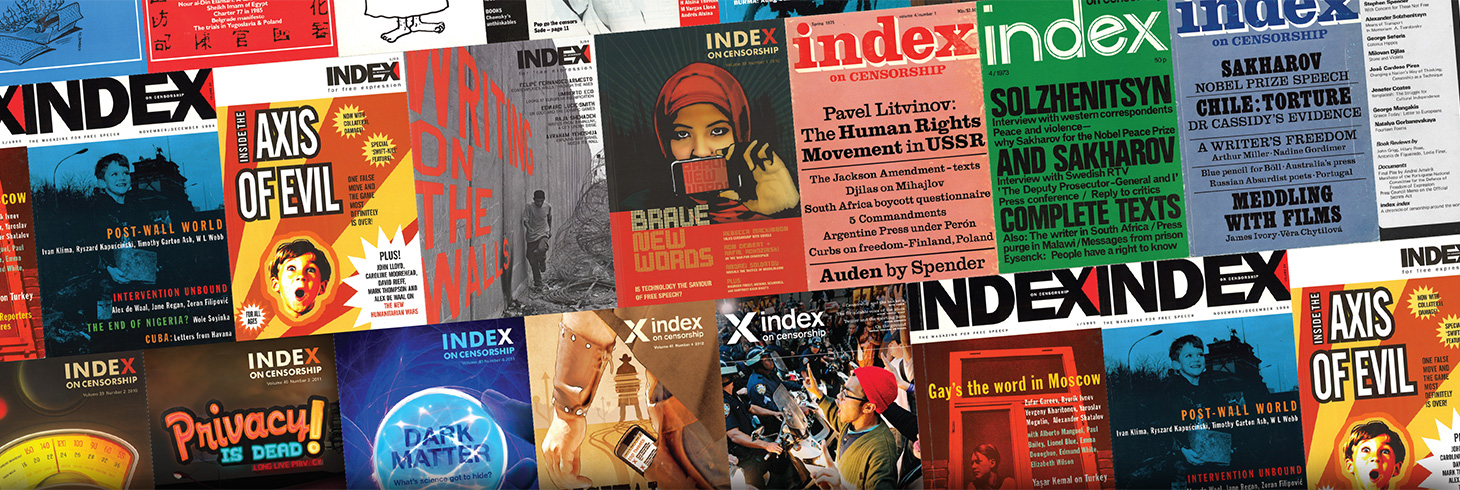
A quarterly journal set up in 1972, Index on Censorship magazine has published oppressed writers and refused to be silenced across hundreds of issues.
The brainchild of the poet Stephen Spender, and translator Michael Scammell, the magazine’s very first issue included a never-before-published poem, written while serving a sentence in a labour camp, by the Soviet dissident Aleksandr Solzhenitsyn, who went on to win a Nobel prize later that year.
The magazine continued to be a thorn in the side of Soviet censors, but its scope was far wider. From the beginning, Index declared its mission to stand up for free expression as a fundamental human right for people everywhere – it was particularly vocal in its coverage of the oppressive military regimes of southern Europe and Latin America but was also clear that freedom of expression was not only a problem in faraway dictatorships. The winter 1979 issue, for example, reported on a controversy in the United States in which the Public Broadcasting Service had heavily edited a documentary about racism in Britain and then gone to court attempting to prevent screenings of the original version. Learn more.