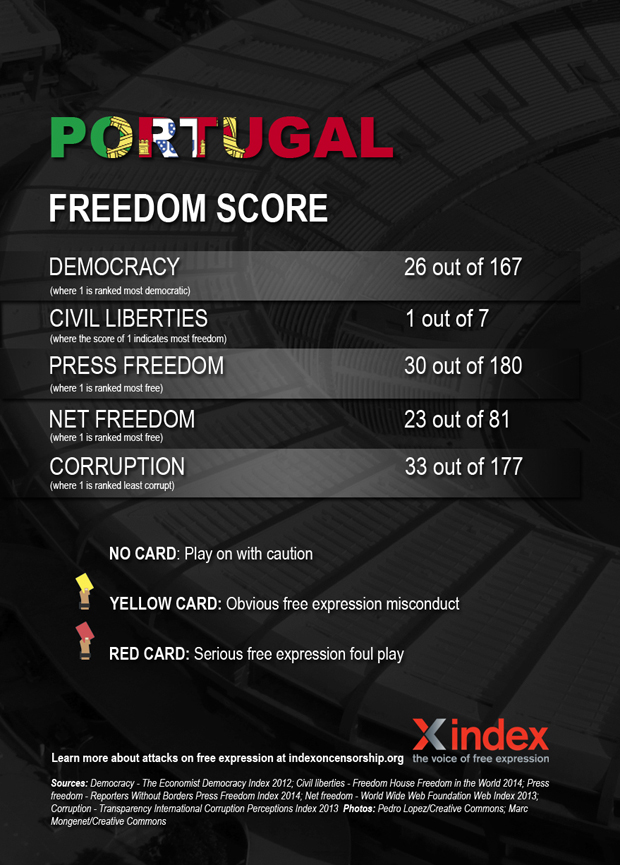
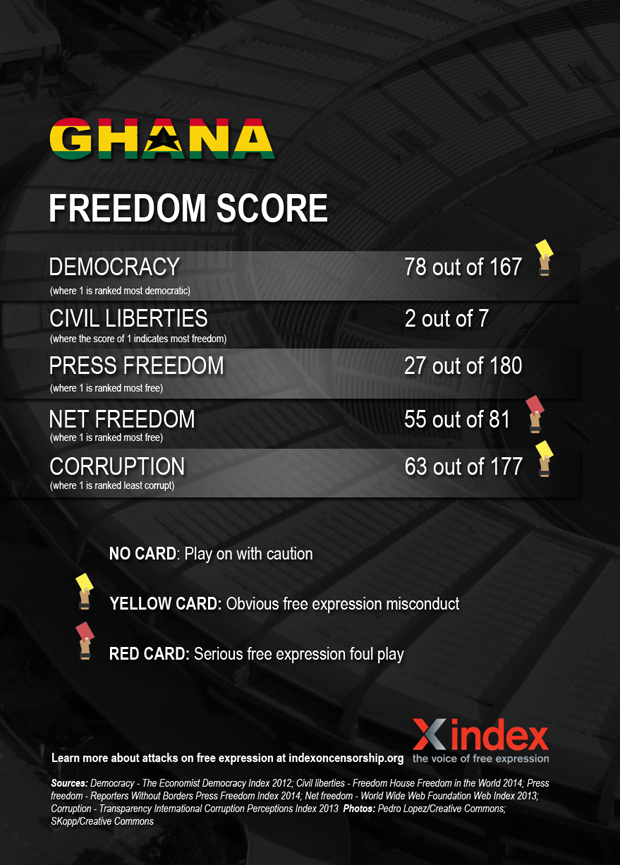
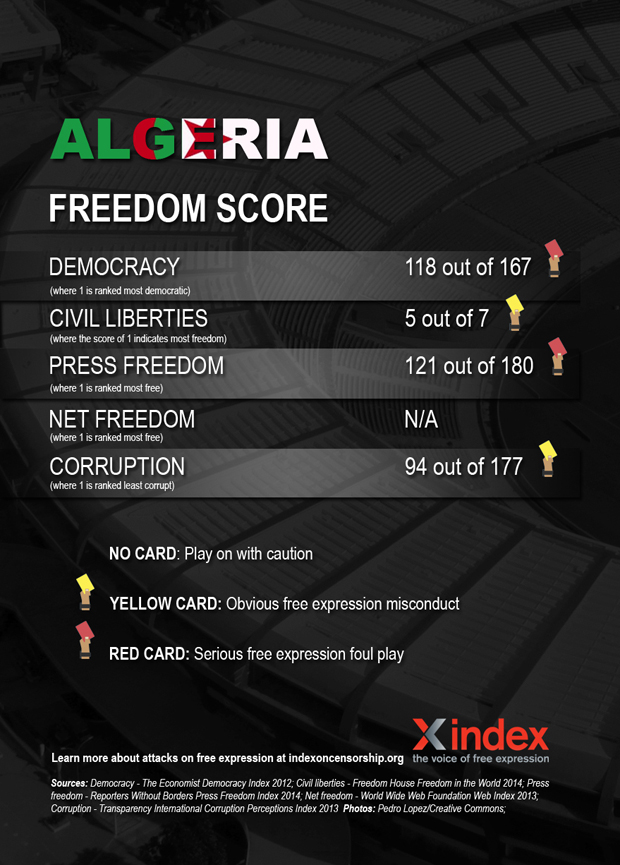
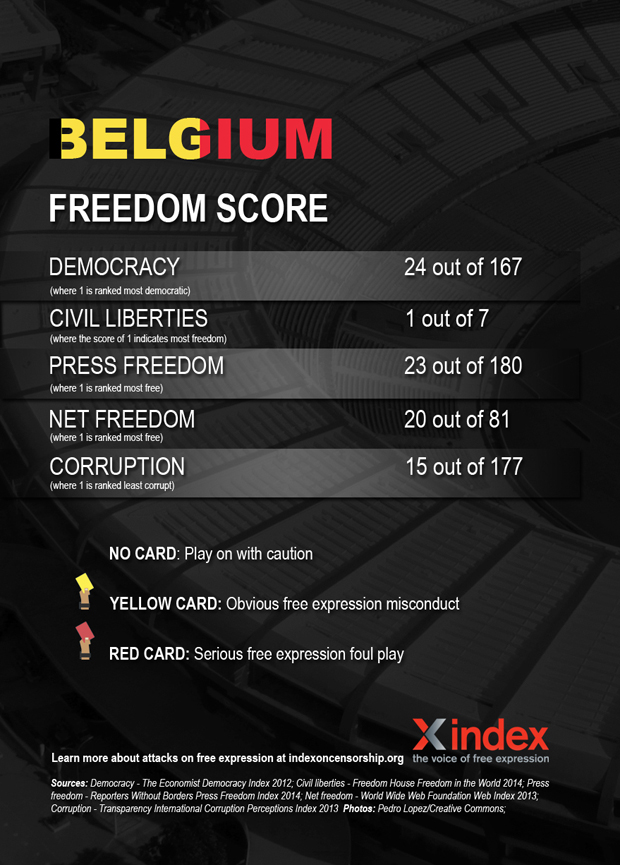
World Cup 2014: What’s the score on freedom of expression?
GROUP A
GROUP B

GROUP C
GROUP D
GROUP E
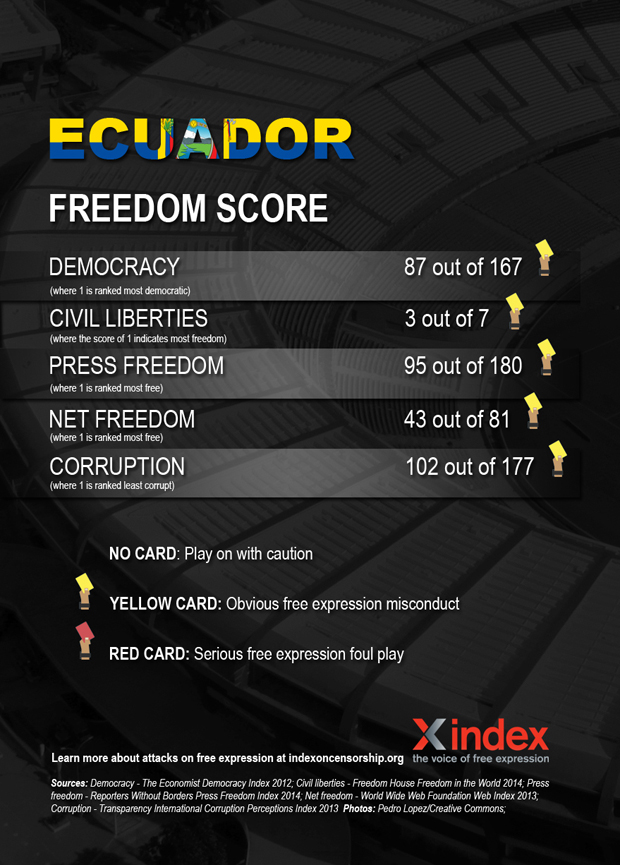
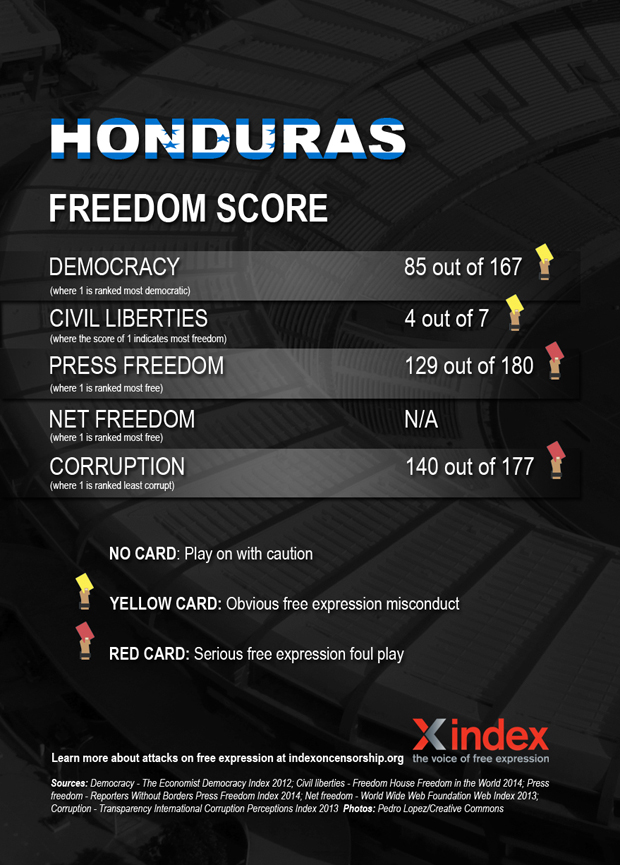
GROUP F
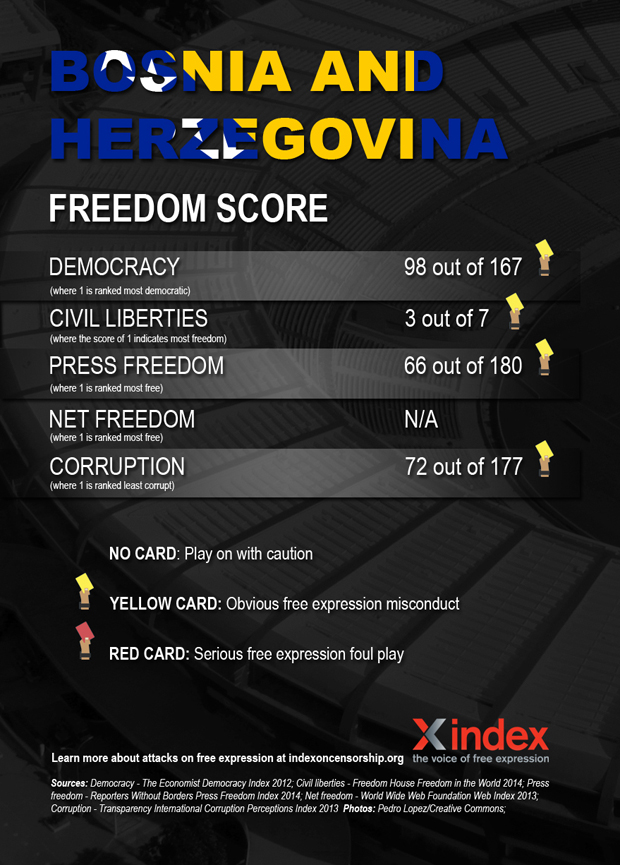
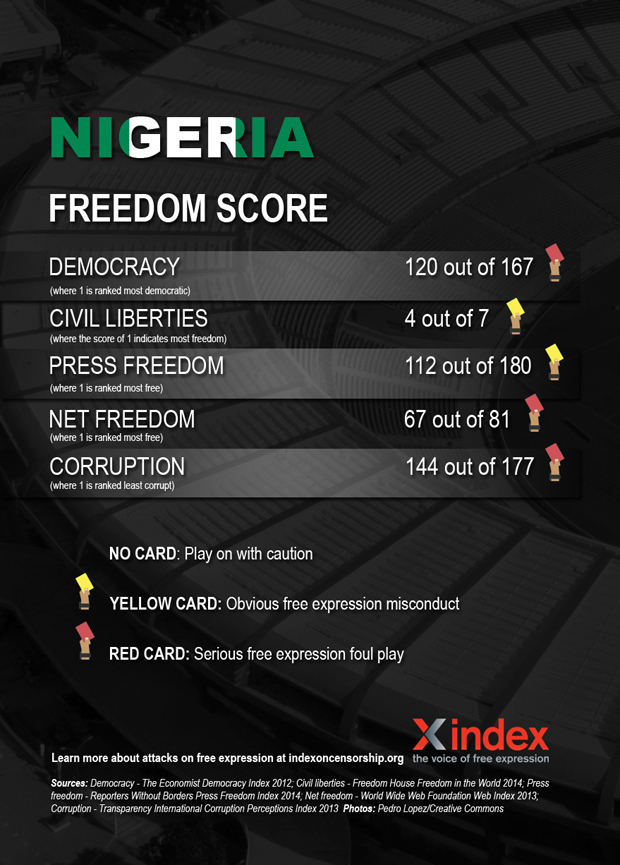
GROUP G
GROUP H
This article was published on June 18, 2014 at indexoncensorship.org

This article was published on June 18, 2014 at indexoncensorship.org
[vc_row][vc_column][vc_custom_heading text=”In the summer issue of Index on Censorship magazine, we include a special report: Brick by brick, freedom 25 years after the fall of the Berlin Wall.”][vc_row_inner][vc_column_inner width=”1/2″][vc_column_text]
[/vc_column_text][/vc_column_inner][vc_column_inner width=”1/2″][vc_single_image image=”58030″ img_size=”full”][/vc_column_inner][/vc_row_inner][vc_column_text]
[/vc_column_text][/vc_column][/vc_row][vc_row][vc_column][vc_custom_heading text=”SPECIAL REPORT: BRICK BY BRICK” css=”.vc_custom_1483610192923{margin-right: 0px !important;margin-left: 0px !important;border-bottom-width: 1px !important;padding-top: 15px !important;padding-bottom: 15px !important;border-bottom-color: #455560 !important;border-bottom-style: solid !important;}”][vc_column_text]
[/vc_column_text][/vc_column][/vc_row][vc_row][vc_column][vc_custom_heading text=”IN FOCUS” css=”.vc_custom_1481731813613{margin-right: 0px !important;margin-left: 0px !important;border-bottom-width: 1px !important;padding-top: 15px !important;padding-bottom: 15px !important;border-bottom-color: #455560 !important;border-bottom-style: solid !important;}”][vc_column_text]
[/vc_column_text][/vc_column][/vc_row][vc_row][vc_column][vc_custom_heading text=”CULTURE” css=”.vc_custom_1481731777861{margin-right: 0px !important;margin-left: 0px !important;border-bottom-width: 1px !important;padding-top: 15px !important;padding-bottom: 15px !important;border-bottom-color: #455560 !important;border-bottom-style: solid !important;}”][vc_column_text]
[/vc_column_text][/vc_column][/vc_row][vc_row][vc_column][vc_custom_heading text=”COLUMNS” css=”.vc_custom_1481732124093{margin-right: 0px !important;margin-left: 0px !important;border-bottom-width: 1px !important;padding-top: 15px !important;padding-bottom: 15px !important;border-bottom-color: #455560 !important;border-bottom-style: solid !important;}”][vc_column_text]
[/vc_column_text][/vc_column][/vc_row][vc_row][vc_column][vc_custom_heading text=”END NOTE” css=”.vc_custom_1481880278935{margin-right: 0px !important;margin-left: 0px !important;border-bottom-width: 1px !important;padding-top: 15px !important;padding-bottom: 15px !important;border-bottom-color: #455560 !important;border-bottom-style: solid !important;}”][vc_column_text]
[/vc_column_text][/vc_column][/vc_row][vc_row][vc_column][vc_custom_heading text=”SUBSCRIBE” css=”.vc_custom_1481736449684{margin-right: 0px !important;margin-left: 0px !important;border-bottom-width: 1px !important;padding-bottom: 15px !important;border-bottom-color: #455560 !important;border-bottom-style: solid !important;}”][vc_column_text]Index on Censorship magazine was started in 1972 and remains the only global magazine dedicated to free expression. Past contributors include Samuel Beckett, Gabriel García Marquéz, Nadine Gordimer, Arthur Miller, Salman Rushdie, Margaret Atwood, and many more.[/vc_column_text][vc_row_inner][vc_column_inner width=”1/2″][vc_single_image image=”76572″ img_size=”full”][/vc_column_inner][vc_column_inner width=”1/2″][vc_column_text]In print or online. Order a print edition here or take out a digital subscription via Exact Editions.
Copies are also available at the BFI, the Serpentine Gallery, MagCulture, (London), News from Nowhere (Liverpool), Home (Manchester), Calton Books (Glasgow) and on Amazon. Each magazine sale helps Index on Censorship continue its fight for free expression worldwide.
 SUBSCRIBE NOW[/vc_column_text][/vc_column_inner][/vc_row_inner][/vc_column][/vc_row]
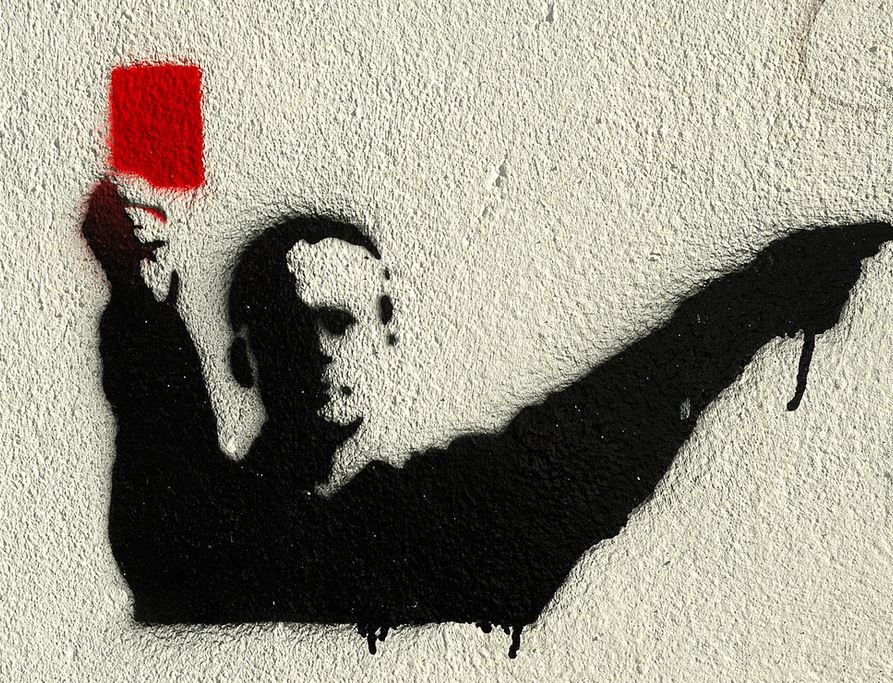
‘Football can inspire communities and break down barriers. Football is for all…everybody has the right to play football free from discrimination or prejudice’ – FIFA
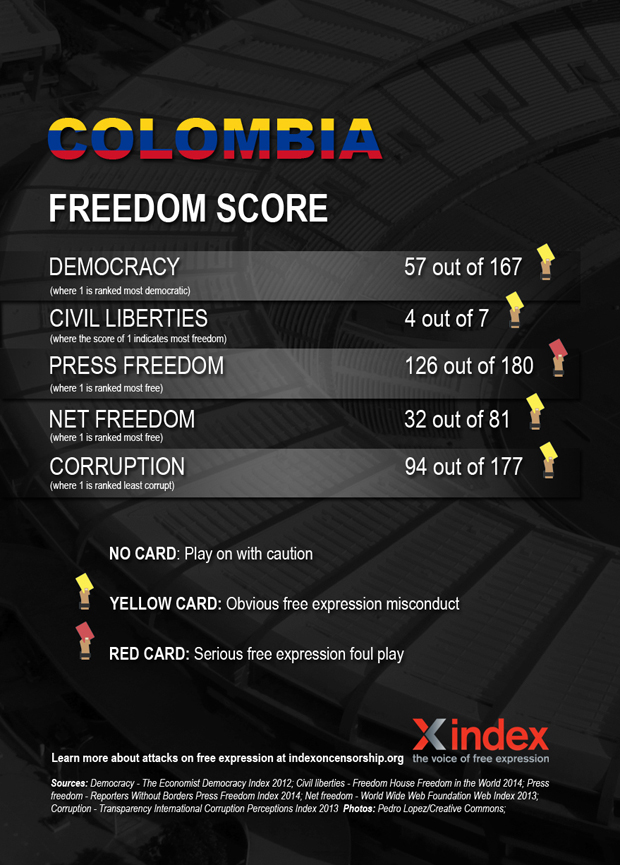
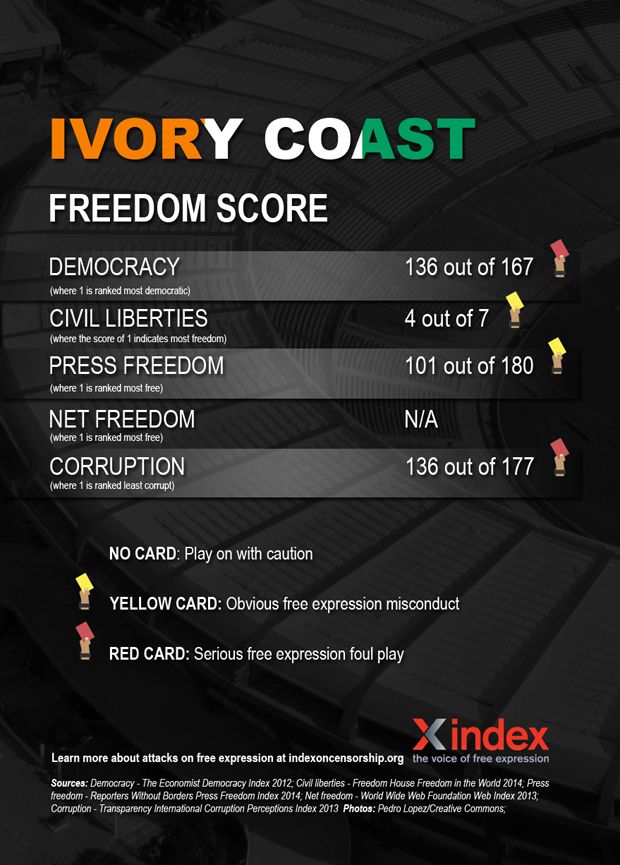
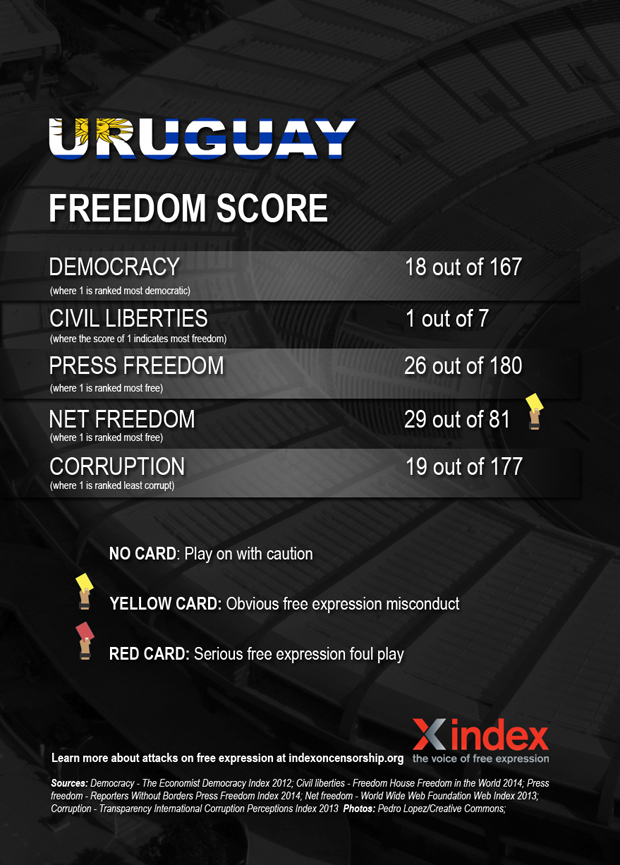
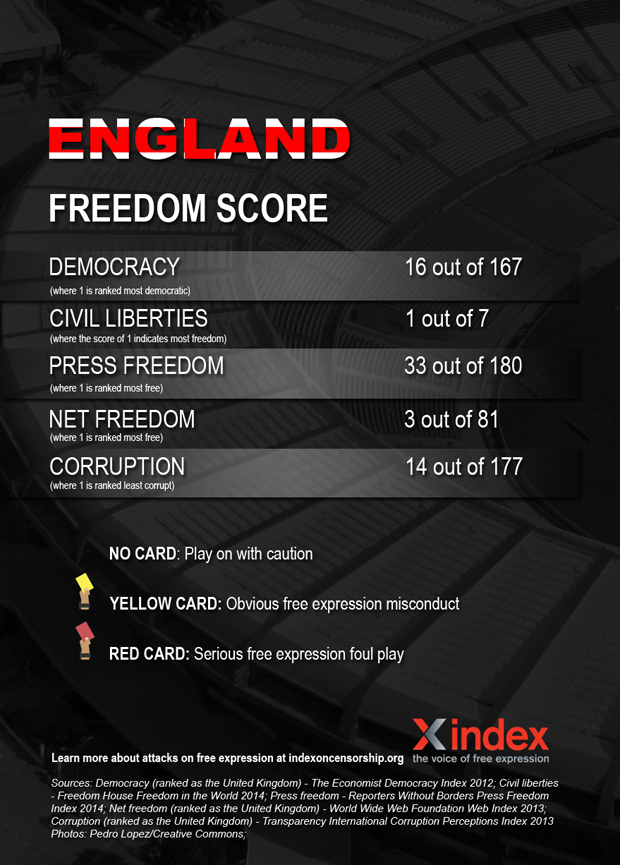
You won’t often see Belgium playing ball with Russia, or Iran standing shoulder to shoulder with Argentina. But events like the World Cup offer a rare chance for politically opposed countries to interact in a way that governments don’t allow.
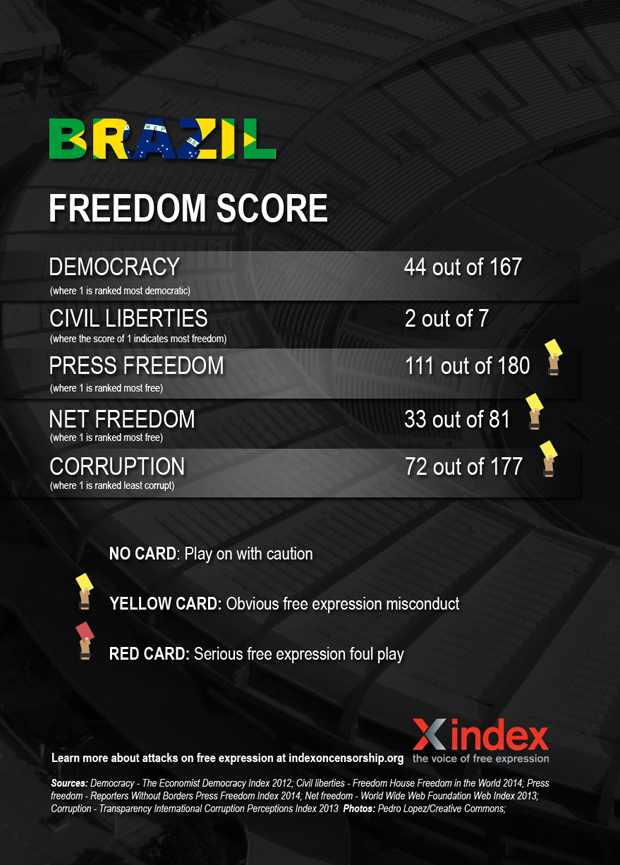
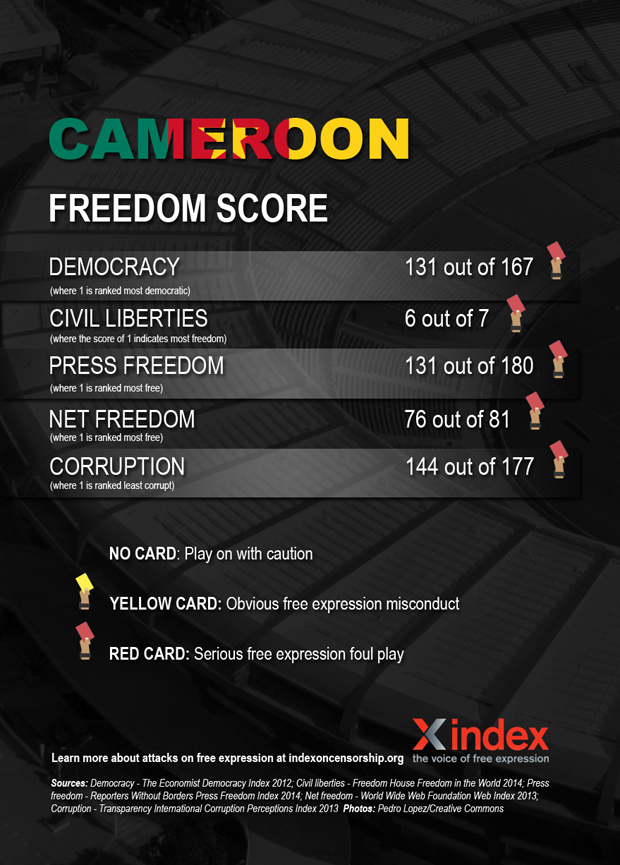
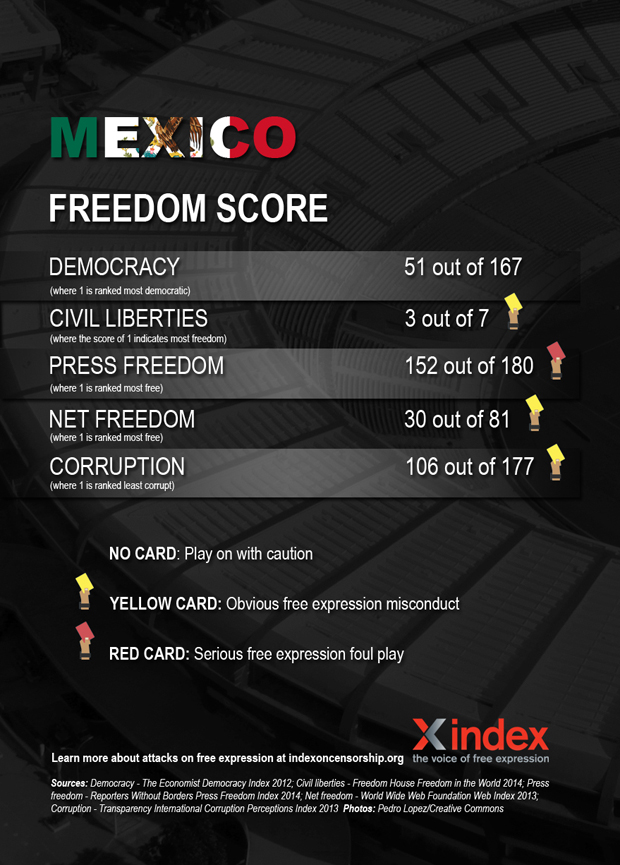
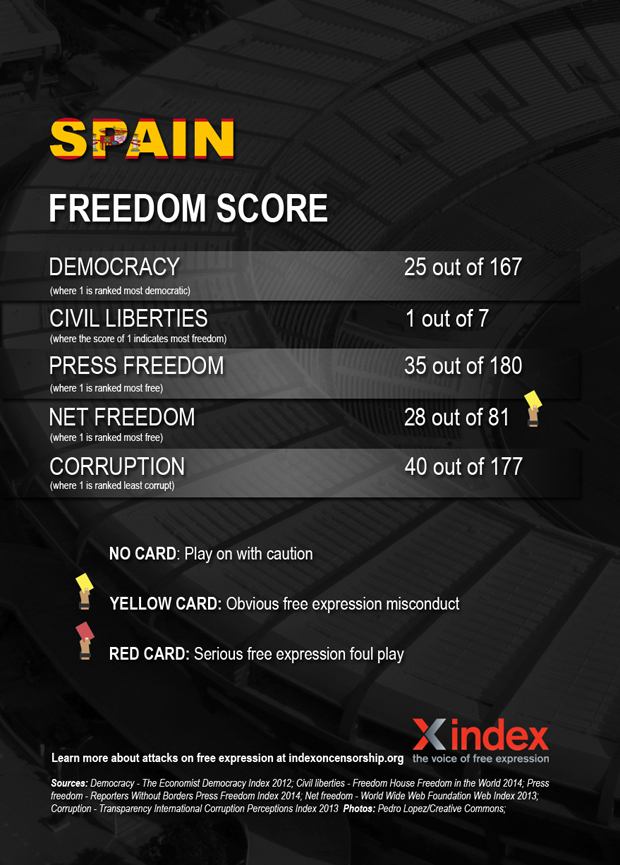
In a sporting tournament, should we ignore a country’s track record of suppressing journalists, censoring campaigners or blocking the internet? Or should we blow the whistle on free speech abusers and show the worst free-speech abusers a red card?
For our first #IndexDrawTheLine event, we are opening up our offices to anyone under the age of 25 to come and debate this thorny question. Join us to find out who the worst offenders at Rio 2014? And have your say on what referees should do: let countries play on or give them a red card?
WHEN: Monday 30th June, 5.30-7pm
WHERE: Index on Censorship, 92-94 Tooley Street, London, SE1 2TH
TICKETS: This event is FREE for under 25’s, please RSVP here.
DRAW THE LINE is a new project for tomorrow’s leaders, artists, journalists and campaigners to get involved in fighting censorship: share your thoughts in the #IndexDrawtheLine discussion forum, take on the debate at our monthly events or contribute to our Young Writers / Artists programme. Tell us – where do you draw the line?
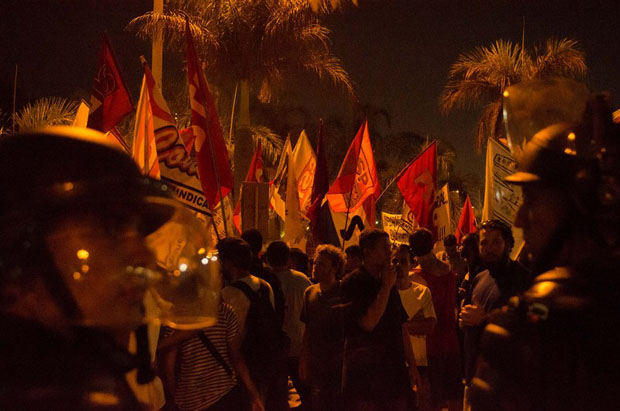
Protests against increase in public transportation costs in Rio de Janeiro on 13 February (Image: Mauricio Fidalgo/Demotix)
The World Cup — arguably the biggest international event on the planet — is upon us once more. But in the past year, Brazilians have been using their rights to free expression to organise large-scale protests to show their dissatisfaction with hosting the tournament. Meanwhile, revelations of serious human rights violations and corruption related to 2022 host Qatar have emerged. This year, human rights are sharing the spotlight with the beautiful game and its stars.
This isn’t the first time politics and sports have mixed. Just think of the Formula 1 Grand Prix races hosted in Gulf kingdom Bahrain, where authorities have cracked down on pro-democracy protesters; or the 2008 Olympics organised by the Chinese communist regime, which employs two million people to help monitor web activity; or the 1978 World Cup held in then-military dictatorship Argentina. More recently, Vladimir Putin’s Russia hosted the Winter Olympics (and will host the 2018 World Cup) not long after implementing homophobic legislation targeting so-called “gay propaganda”, while Belarus, which has been ruled by dictator Alexander Lukashenko since 1994, organised the 2014 Ice Hockey World Championship. Azerbaijan, with its, according to the latest figures, 142 political prisoners, is playing host to the inaugural European Games in 2015.
That’s without even considering the many human rights abuses perpetrated by authorities in participating countries.
The question that often comes up when these huge, prestigious events roll around, is how do we respond to the countries that repress their citizen’s free expression? Should we boycott? Should we use the attention to raise our voice on human rights abuses? Should we engage or ignore? Get involved the discussion using the hashtag #IndexDrawtheLine and tell us — where do you draw the line?
This article was published on June 12, 2014 at indexoncensorship.org