26 Apr 2018 | Campaigns -- Featured, Statements
[vc_row][vc_column][vc_column_text]
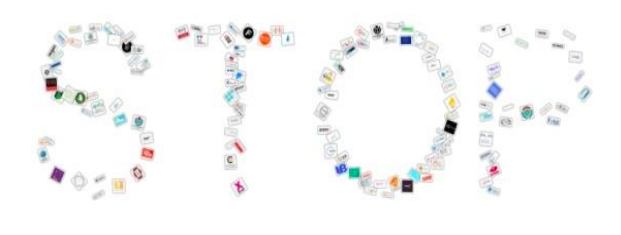
Brussels, 26 April 2018
OPEN LETTER IN LIGHT OF THE 27 APRIL 2018 COREPER I MEETING
Your Excellency Ambassador, cc. Deputy Ambassador,
We, the undersigned, are writing to you ahead of your COREPER discussion on the proposed Directive on copyright in the Digital Single Market.
We are deeply concerned that the text proposed by the Bulgarian Presidency in no way reflects a balanced compromise, whether on substance or from the perspective of the many legitimate concerns that have been raised. Instead, it represents a major threat to the freedoms of European citizens and businesses and promises to severely harm Europe’s openness, competitiveness, innovation, science, research and education.
A broad spectrum of European stakeholders and experts, including academics, educators, NGOs representing human rights and media freedom, software developers and startups have repeatedly warned about the damage that the proposals would cause. However, these have been largely dismissed in rushed discussions taking place without national experts being present. This rushed process is all the more surprising when the European Parliament has already announced it would require more time (until June) to reach a position and is clearly adopting a more cautious approach.
If no further thought is put in the discussion, the result will be a huge gap between stated intentions and the damage that the text will actually achieve if the actual language on the table remains:
- Article 13 (user uploads) creates a liability regime for a vast area of online platforms that negates the E-commerce Directive, against the stated will of many Member States, and without any proper assessment of its impact. It creates a new notice and takedown regime that does not require a notice. It mandates the use of filtering technologies across the board.
- Article 11 (press publisher’s right) only contemplates creating publisher rights despite the many voices opposing it and highlighting it flaws, despite the opposition of many Member States and despite such Member States proposing several alternatives including a “presumption of transfer”.
- Article 3 (text and data mining) cannot be limited in terms of scope of beneficiaries or purposes if the EU wants to be at the forefront of innovations such as artificial intelligence. It can also not become a voluntary provision if we want to leverage the wealth of expertise of the EU’s research community across borders.
- Articles 4 to 9 must create an environment that enables educators, researchers, students and cultural heritage professionals to embrace the digital environment and be able to preserve, create and share knowledge and European culture. It must be clearly stated that the proposed exceptions in these Articles cannot be overridden by contractual terms or technological protection measures.
- The interaction of these various articles has not even been the subject of a single discussion. The filters of Article 13 will cover the snippets of Article 11 whilst the limitations of Article 3 will be amplified by the rights created through Article 11, yet none of these aspects have even been assessed.
With so many legal uncertainties and collateral damages still present, this legislation is currently destined to become a nightmare when it will have to be transposed into national legislation and face the test of its legality in terms of the Charter of Fundamental Rights and the Bern Convention.
We hence strongly encourage you to adopt a decision-making process that is evidence-based, focussed on producing copyright rules that are fit for purpose and on avoiding unintended, damaging side effects.
Yours sincerely,
The over 145 signatories of this open letter – European and global organisations, as well as national organisations from 28 EU Member States, represent human and digital rights, media freedom, publishers, journalists, libraries, scientific and research institutions, educational institutions including universities, creator representatives, consumers, software developers, start-ups, technology businesses and Internet service providers.
EUROPE
1. Access Info Europe
2. Allied for Startups
3. Association of European Research Libraries (LIBER)
4. Civil Liberties Union for Europe (Liberties)
5. Copyright for Creativity (C4C)
6. Create Refresh Campaign
7. DIGITALEUROPE
8. EDiMA
9. European Bureau of Library, Information and Documentation Associations (EBLIDA)
10. European Digital Learning Network (DLEARN)
11. European Digital Rights (EDRi)
12. European Internet Services Providers Association (EuroISPA)
13. European Network for Copyright in Support of Education and Science (ENCES)
14. European University Association (EUA)
15. Free Knowledge Advocacy Group EU
16. Lifelong Learning Platform
17. Public Libraries 2020 (PL2020)
18. Science Europe
19. South East Europe Media Organisation (SEEMO)
20. SPARC Europe
AUSTRIA
21. Freischreiber Österreich
22. Internet Service Providers Austria (ISPA Austria)
BELGIUM
23. Net Users’ Rights Protection Association (NURPA)
BULGARIA
24. BESCO – Bulgarian Startup Association
25. BlueLink Foundation
26. Bulgarian Association of Independent Artists and Animators (BAICAA)
27. Bulgarian Helsinki Committee
28. Bulgarian Library and Information Association (BLIA)
29. Creative Commons Bulgaria
30. DIBLA
31. Digital Republic
32. Hamalogika
33. Init Lab
34. ISOC Bulgaria
35. LawsBG
36. Obshtestvo.bg
37. Open Project Foundation
38. PHOTO Forum
39. Wikimedians of Bulgaria
CROATIA
40. Code for Croatia
CYPRUS
41. Startup Cyprus
CZECH REPUBLIC
42. Alliance pro otevrene vzdelavani (Alliance for Open Education)
43. Confederation of Industry of the Czech Republic
44. Czech Fintech Association
45. Ecumenical Academy
46. EDUin
DENMARK
47. Danish Association of Independent Internet Media (Prauda) ESTONIA
48. Wikimedia Eesti
FINLAND
49. Creative Commons Finland
50. Open Knowledge Finland
51. Wikimedia Suomi
FRANCE
52. Abilian
53. Alliance Libre
54. April
55. Aquinetic
56. Conseil National du Logiciel Libre (CNLL)
57. France Digitale
58. l’ASIC
59. Ploss Auvergne-Rhône-Alpes (PLOSS-RA)
60. Renaissance Numérique
61. Syntec Numérique
62. Tech in France
63. Wikimédia France
GERMANY
64. Arbeitsgemeinschaft der Medieneinrichtungen an Hochschulen e.V. (AMH)
65. Bundesverband Deutsche Startups
66. Deutscher Bibliotheksverband e.V. (dbv)
67. eco – Association of the Internet Industry
68. Factory Berlin
69. Initiative gegen ein Leistungsschutzrecht (IGEL)
70. Jade Hochschule Wilhelmshaven/Oldenburg/Elsfleth
71. Karlsruhe Institute of Technology (KIT)
72. Landesbibliothekszentrum Rheinland-Pfalz
73. Silicon Allee
74. Staatsbibliothek Bamberg
75. Ubermetrics Technologies
76. Universitäts- und Landesbibliothek Sachsen-Anhalt (Martin-Luther-University Halle-Wittenberg)
77. University Library of Kaiserslautern (Technische Universität Kaiserslautern)
78. Verein Deutscher Bibliothekarinnen und Bibliothekare e.V. (VDB)
79. ZB MED – Information Centre for Life Sciences
GREECE
80. Greek Free Open Source Software Society (GFOSS)
HUNGARY
81. Hungarian Civil Liberties Union
82. ICT Association of Hungary – IVSZ
83. K-Monitor
IRELAND
84. Technology Ireland
ITALY
85. Hermes Center for Transparency and Digital Human Rights
86. Istituto Italiano per la Privacy e la Valorizzazione dei Dati
87. Italian Coalition for Civil Liberties and Rights (CILD)
88. National Online Printing Association (ANSO)
LATVIA
89. Startin.LV (Latvian Startup Association)
90. Wikimedians of Latvia User Group
LITHUANIA
91. Aresi Labs
LUXEMBOURG
92. Frënn vun der Ënn
MALTA
93. Commonwealth Centre for Connected Learning
NETHERLANDS
94. Dutch Association of Public Libraries (VOB)
95. Kennisland
POLAND
96. Centrum Cyfrowe
97. Coalition for Open Education (KOED)
98. Creative Commons Polska
99. Elektroniczna BIBlioteka (EBIB Association)
100. ePaństwo Foundation
101. Fundacja Szkoła z Klasą (School with Class Foundation)
102. Modern Poland Foundation
103. Ośrodek Edukacji Informatycznej i Zastosowań Komputerów w Warszawie (OEIiZK)
104. Panoptykon Foundation
105. Startup Poland
106. ZIPSEE
PORTUGAL
107. Associação D3 – Defesa dos Direitos Digitais (D3)
108. Associação Ensino Livre
109. Associação Nacional para o Software Livre (ANSOL)
110. Associação para a Promoção e Desenvolvimento da Sociedade da Informação (APDSI)
ROMANIA
111. ActiveWatch
112. APADOR-CH (Romanian Helsinki Committee)
113. Association for Technology and Internet (ApTI)
114. Association of Producers and Dealers of IT&C equipment (APDETIC)
115. Center for Public Innovation
116. Digital Citizens Romania
117. Kosson.ro Initiative
118. Mediawise Society
119. National Association of Public Librarians and Libraries in Romania (ANBPR)
SLOVAKIA
120. Creative Commons Slovakia
121. Slovak Alliance for Innovation Economy (SAPIE)
SLOVENIA
122. Digitas Institute
123. Forum za digitalno družbo (Digital Society Forum)
SPAIN
124. Asociación de Internautas
125. Asociación Española de Startups (Spanish Startup Association)
126. MaadiX
127. Sugus
128. Xnet
SWEDEN
129. Wikimedia Sverige
UK
130. Libraries and Archives Copyright Alliance (LACA)
131. Open Rights Group (ORG)
132. techUK
GLOBAL
133. ARTICLE 19
134. Association for Progressive Communications (APC)
135. Center for Democracy & Technology (CDT)
136. COMMUNIA Association
137. Computer and Communications Industry Association (CCIA)
138. Copy-Me
139. Creative Commons
140. Electronic Frontier Foundation (EFF)
141. Electronic Information for Libraries (EIFL)
142. Index on Censorship
143. International Partnership for Human Rights (IPHR)
144. Media and Learning Association (MEDEA)
145. Open Knowledge International (OKI)
146. OpenMedia
147. Software Heritage
[/vc_column_text][vc_row_inner][vc_column_inner][vc_basic_grid post_type=”post” max_items=”4″ element_width=”6″ grid_id=”vc_gid:1524750347203-f1e70660-87dd-9″ taxonomies=”1908″][/vc_column_inner][/vc_row_inner][/vc_column][/vc_row]
10 Apr 2018 | Magazine, News, Volume 47.01 Spring 2018
[vc_row][vc_column][vc_column_text]
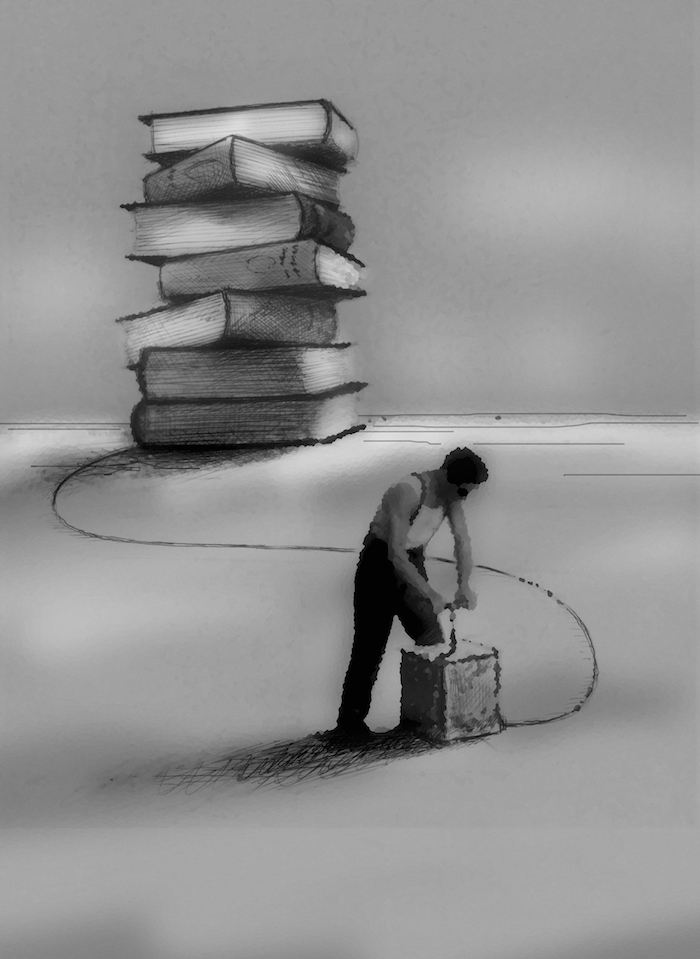
Authoritarian leaders know their history. They also know the history they would like you to know. They are aware, perhaps more than anyone else, that choosing images and stories from the past to align and amplify the ways a country is run can be a terribly powerful tool.
As Canadian historian Margaret MacMillan discussed with Index for this issue, dictators have been aware of the power of history to make their arguments for centuries. From the first Chinese emperors to today’s leaders – China’s Xi Jinping and Turkey’s Recep Tayyip Erdogan, among others – the selection of historical stories which reflect their view of the world is revealing.
“The thing about history is if people know only one version then it seems to validate the people in power,” said MacMillan.
But if you know more, you can use that information to make informed decisions about what worked in the past – and what didn’t – allowing people to learn and move on.
And right now, historical validation is an active part of the political playbook. In Russia, Vladimir Putin is a big fan of the tale of the great and powerful Russia. And what he doesn’t like are people who don’t sign up to his version of history.
Even asking questions about the past can provoke anger at the top. It interferes with the control, you see.
In 2014, Dozhd TV had an audience poll about whether Leningrad should have surrendered to the Nazis during World War II. Immediately there were complaints, as Index reported at the time. The station changed the wording of the question almost immediately, but within months various cable and satellite companies had dropped Dozhd from their schedules. Question and you shall be pushed out into the cold.
From the start, this magazine has covered how different countries have attempted to control the historical knowledge their citizens receive by limiting the pipeline (rewriting textbooks or taking history off the syllabus completely, for instance); using social pressure to make certain views taboo; and, in extreme cases, locking up historians or making them too afraid to teach the facts.
In our Winter 2015 issue, we covered the story of a Palestinian teacher who took his students to visit Nazi concentration camps in Poland because he felt they should know about the Holocaust. But not everyone agreed. While he was on the trip, there were demonstrations against him, his office was stormed and his car was torched. Later there were threats against his family. To escape the danger, he and his family had to move abroad. The teacher, Mohammed Dajani Daoudi, who wrote about his experiences for the magazine, said: “My duty as a teacher is to teach – to open new horizons for my students, to guide them out of the cave of misconceptions and see the facts, to break walls of silence, to demolish fences of taboos.”
What an incredibly brave vision for a teacher to have in the face of a mob of people who would seek to damage his life, and that of his family, to show how much they disapproved of what he was trying to do.
[/vc_column_text][/vc_column][/vc_row][vc_row][vc_column width=”1/4″][vc_icon icon_fontawesome=”fa fa-quote-left” color=”custom” align=”right” custom_color=”#dd3333″][/vc_column][vc_column width=”3/4″][vc_custom_heading text=”But censoring history is not the only way to go about establishing inaccuracies and ill-informed attitudes about the past. Another option is to spin it.” google_fonts=”font_family:Libre%20Baskerville%3Aregular%2Citalic%2C700|font_style:400%20italic%3A400%3Aitalic”][/vc_column][/vc_row][vc_row][vc_column][vc_column_text]
Dajani Daoudi is not alone in fighting against the odds to bring research, open thinking and a wide base of knowledge to students. But, as our Spring 2018 issue shows, the odds are starting to stack up against people like him in an increasing number of places.
In 2010, Maureen Freely wrote a piece called Secret Histories for this magazine, about Turkish laws that had kept most of its citizens in the dark about the killings of a million Armenians in the last years of the Ottoman empire, and how those laws were enforced by making certain things – including criticising the legacy of modern Turkey’s founding father, Mustafa Kemal Atatürk – illegal.
Turkey’s government today has just passed a law making mention of the word “genocide” an offence in parliament, as our Turkish correspondent, Kaya Genç, reports on page 22.
But censoring history is not the only way to go about establishing inaccuracies and ill-informed attitudes about the past. Another option is to spin it.
Resisting Ill Democracies in Europe, the excellent report from the Human Rights House Network, acknowledges that a common thread in countries where democracy is weakening is the “reshaping of the historical narrative taught in schools”. In Poland, the introduction of a Holocaust law means possible imprisonment for anyone who suggests Polish involvement in the Holocaust or that the concentration camps were Polish. In Hungary, the rhetoric of the ruling party is to water down involvement of its citizens in the Holocaust and to rehabilitate the reputation of former head of state Miklós Horthy.
At the same time as undermining public trust in the media, governments in this spin cycle seek to stigmatise academics, as well as close down places where open or vigorous debate might take place. The result is often the creation of a “them and us” mentality, where belief in the avowed historical take is a choice of being patriotic or not.
As the HRHN report suggests, “space for critical thinking, independent research and reporting and access to objective and accurate information are pre-requisites for informed participation in pluralistic and diverse societies” and to “debunk myths”.
However, if your objective is not having your myths debunked then closing down discussions and discrediting opposition voices is the ideal way to make sure the maximum number of people believe the stories you are telling.
That’s why historians, like journalists, are often on the sharp end of a populist leader’s attack. Creating a nostalgia for a time where supposedly the garden was rosy and citizens were happy beyond belief often forms another part of the political playbook, alongside creating a false history.
Another tactic is to foster a sense that the present is difficult and dangerous because of change and because of threats to “traditional” values; and a sense that history shows a country as greater than it is today. The next step is to find a handy enemy (migrants and LGBT people are often targets) to blame for that change and to stoke up anger.
Access to the past matters. Knowledge of what happened, the ability to question the version you are receiving, and probing and prodding at the whys and wherefores are essentials in keeping society and the powerful on their toes.
In this issue of Index on Censorship magazine, we carry a special report about how history is being abused. It includes interviews with some of the world’s leading historians – Lucy Worsley, Margaret MacMillan, Charles van Onselen, Neil Oliver and Ed Keazor (p31).
We look at how history is being reintroduced into schools in Colombia (p60) and how efforts continue to recognise the victims of General Franco’s dictatorship in Spain (p72). We also ask Hannah Leung and Matthew Hernon to talk to young people in China and Japan to discover what they learned at school about the contentious Nanjing massacre. Find out what happened on page 38.
Omar Mohammed, aka Mosul Eye, writes on page 47 about his mission to retain information about Iraq’s history, despite risk to his life, while Isis set out to destroy historical icons.
[/vc_column_text][/vc_column][/vc_row][vc_row][vc_column][vc_column_text]
Rachael Jolley is editor of Index on Censorship. She tweets @londoninsider. This article is part of the latest edition of Index on Censorship magazine, with its special report on The Abuse of History.
Index on Censorship’s spring 2018 issue, The Abuse of History, focuses on how history is being manipulated or censored by governments and other powers.
Look out for the new edition in bookshops, and don’t miss our Index on Censorship podcast, with special guests, on Soundcloud.
[/vc_column_text][/vc_column][/vc_row][vc_row][vc_column][vc_custom_heading text=”From the Archives”][vc_row_inner][vc_column_inner width=”1/3″][vc_single_image image=”89164″ img_size=”213×287″ alignment=”center” onclick=”custom_link” link=”http://journals.sagepub.com/doi/pdf/10.1080/03064229108535157″][vc_custom_heading text=”Brave new words” font_container=”tag:p|font_size:24|text_align:left” link=”url:http%3A%2F%2Fjournals.sagepub.com%2Fdoi%2Fpdf%2F10.1080%2F03064229108535157|||”][vc_column_text]2010
In 2010, Maureen Freely wrote a piece called Secret Histories for this magazine, about Turkish laws that had kept most of its citizens in the dark about the killings of a million Armenians in the last years of the Ottoman empire[/vc_column_text][/vc_column_inner][vc_column_inner width=”1/3″][vc_single_image image=”90649″ img_size=”213×287″ alignment=”center” onclick=”custom_link” link=”http://journals.sagepub.com/doi/pdf/10.1080/03064220008536796″][vc_custom_heading text=”Censorship in China” font_container=”tag:p|font_size:24|text_align:left” link=”url:http%3A%2F%2Fjournals.sagepub.com%2Fdoi%2Fpdf%2F10.1177%2F0306422013495334|||”][vc_column_text]September 2000
How China attempts to censor, using different methods[/vc_column_text][/vc_column_inner][vc_column_inner width=”1/3″][vc_single_image image=”71995″ img_size=”full” alignment=”center” onclick=”custom_link” link=”http://journals.sagepub.com/doi/pdf/10.1080/03064229308535477″][vc_custom_heading text=”Taboos” font_container=”tag:p|font_size:24|text_align:left” link=”url:http%3A%2F%2Fjournals.sagepub.com%2Fdoi%2Fpdf%2F10.1177%2F0306422013513103|||”][vc_column_text]Winter 2015
We tell the story of a Palestinian teacher who took his students to visit Nazi concentration camps in Poland because he felt they should know about the Holocaust. But not everyone agreed.[/vc_column_text][/vc_column_inner][/vc_row_inner][vc_separator][/vc_column][/vc_row][vc_row content_placement=”top”][vc_column width=”1/3″][vc_custom_heading text=”The abuse of history” font_container=”tag:p|font_size:24|text_align:left” link=”url:https%3A%2F%2Fwww.indexoncensorship.org%2F2018%2F04%2Fthe-abuse-of-history%2F|||”][vc_column_text]The spring 2018 issue of Index on Censorship magazine takes a special look at how governments and other powers across the globe are manipulating history for their own ends
With: Simon Callow, David Anderson, Omar Mohammed [/vc_column_text][/vc_column][vc_column width=”1/3″][vc_single_image image=”99282″ img_size=”medium” alignment=”center” onclick=”custom_link” link=”https://www.indexoncensorship.org/2018/04/the-abuse-of-history/”][/vc_column][vc_column width=”1/3″ css=”.vc_custom_1481888488328{padding-bottom: 50px !important;}”][vc_custom_heading text=”Subscribe” font_container=”tag:p|font_size:24|text_align:left” link=”url:https%3A%2F%2Fwww.indexoncensorship.org%2Fsubscribe%2F|||”][vc_column_text]In print, online. In your mailbox, on your iPad.
Subscription options from £18 or just £1.49 in the App Store for a digital issue.
Every subscriber helps support Index on Censorship’s projects around the world.
 SUBSCRIBE NOW[/vc_column_text][/vc_column][/vc_row]
4 Apr 2018 | Magazine, Magazine Contents, Volume 47.01 Spring 2018
[vc_row][vc_column][vc_custom_heading text=”With contributions from Omar Mohammed, Mahvash Sabet, Simon Callow and Lucy Worsley, as well as interviews with Neil Oliver, Barry Humphries and Abbad Yahya”][/vc_column][/vc_row][vc_row][vc_column][vc_column_text]
The spring 2018 issue of Index on Censorship magazine takes a special look at how governments and other powers across the globe are manipulating history for their own ends.
In this issue, we examine the various ways and areas where historical narratives are being changed, including a Q&A with Chinese and Japanese people on what they were taught about the Nanjing massacre at school; the historian known as Mosul Eye gives a special insight into his struggle documenting what Isis were trying to destroy; and Raymond Joseph takes a look at how South Africa’s government is erasing those who fought against apartheid.
The issue features interviews with historians Margaret MacMillan and Neil Oliver, and a piece addressing who really had free speech in the Tudor Court from Lucy Worsley.
[/vc_column_text][/vc_column][/vc_row][vc_row][vc_column][vc_single_image image=”99222″ img_size=”full”][/vc_column][/vc_row][vc_row][vc_column][vc_column_text]
We also take a look at how victims of the Franco regime in Spain may finally be put to rest in Silvia Nortes’ article; Irene Caselli explores how a new law in Colombia making history compulsory in school will be implemented after decades of conflict; and Andrei Aliaksandrau explains how Ukraine and Belarus approach their Soviet past.
The special report includes articles discussing how Turkey is discussing – or not – the Armenian genocide, while Poland passes a law to make talking about the Holocaust in certain ways illegal.
Outside the special report, Barry Humphries aka Dame Edna talks about his new show featuring banned music from the Weimar Republic and comedian Mark Thomas discusses breaking taboos with theatre in a Palestinian refugee camp.
Finally, we have an exclusive short story by author Christie Watson; an extract from Palestinian author Abbad Yahya’s latest book; and a poem from award-winning poet Mahvash Sabet.
[/vc_column_text][/vc_column][vc_column][/vc_column][/vc_row][vc_row][vc_column][vc_custom_heading text=”Special report: The abuse of history “][vc_column_text]
A date (not) to forget, by Louisa Lim: The author on why her book about Tiananmen would be well-nigh impossible to research today
Who controls the past controls the future…, by Sally Gimson: Fall in line or be in the firing line is the message historian are receiving from governments around the world
Another country, by Luka Ostojić: One hundred years after the creation of Yugoslavia, there are few signs it ever existed in Croatia. Why?
No comfort in the truth, by Annemarie Luck: It’s the episode of history Japan would rather forget. Instead comfort women are back in the news
Unleashing the past, by Kaya Genç: Freedom to publish on the World War I massacre of Turkish Armenians is fragile and threatened
Stripsearch, by Martin Rowson: Mister History is here to teach you what really happened
Tracing a not too dissident past, by Irene Caselli: As Cubans prepare for a post-Castro era, a digital museum explores the nation’s rebellious history
Lessons in bias, by Margaret MacMillan, Neil Oliver, Lucy Worsley, Charles van Onselen, Ed Keazor: Leading historians and presenters discuss the black holes of the historical universe
Projecting Poland and its past, by Konstanty Gebert: Poland wants you to talk about the “Polocaust”
Battle lines, by Hannah Leung and Matthew Hernon: One battle, two countries and a whole lot of opinions. We talk to people in China and Japan about what they learnt at school about the Nanjing massacre
The empire strikes back, by Andrei Aliaksandrau: Ukraine and Belarus approach their former Soviet status in opposite ways. Plus Stephen Komarnyckyj on why Ukraine needs to not cherry-pick its past
Staging dissent, by Simon Callow: When a British prime minister was not amused by satire, theatre censorship followed. We revisit plays that riled him, 50 years after the abolition of the state censor
Eye of the storm, by Omar Mohammed: The historian known as Mosul Eye on documenting what Isis were trying to destroy
Desert defenders, by Lucia He: An 1870s battle in Argentina saw the murder of thousands of its indigenous people. But that history is being glossed over by the current government
Buried treasures, by David Anderson: Britain’s historians are struggling to access essential archives. Is this down to government inefficiency or something more sinister?
Masters of none, by Bernt Hagtvet: Post-war Germany sets an example of how history can be “mastered”. Poland and Hungary could learn from it
Naming history’s forgotten fighters, by Raymond Joseph: South Africa’s government is setting out to forget some of the alliance who fought against apartheid. Some of them remain in prison
Colombia’s new history test, by Irene Caselli: A new law is making history compulsory in Colombia’s schools. But with most people affected by decades of conflict, will this topic be too hot to handle?
Breaking from the chains of the past, by Audra Diptee: Recounting Caribbean history accurately is hard when many of the documents have been destroyed
Rebels show royal streak, by Layli Foroudi: Some of the Iranian protesters at recent demonstrations held up photos of the former shah. Why?
Checking the history bubble, by Mark Frary: Historians will have to use social media as an essential tool in future research. How will they decide if its information is unreliable or wrong?
Franco’s ghosts, by Silvia Nortes: Many bodies of those killed under Franco’s regime have yet to be recovered and buried. A new movement is making more information public about the period
[/vc_column_text][/vc_column][/vc_row][vc_row][vc_column][vc_custom_heading text=”Column”][vc_column_text]
Global view, by Jodie Ginsberg: If we don’t support those whose views we dislike as much as those whose views we do, we risk losing free speech for all
[/vc_column_text][/vc_column][/vc_row][vc_row][vc_column][vc_custom_heading text=”In focus”][vc_column_text]
How gags can remove gags, by Tracey Bagshaw: Comedian Mark Thomas discusses the taboos about stand-up he encountered in a refugee camp in Palestine
Behind our silence, by Laura Silvia Battaglia: Refugees feel that they are not allowed to give their views in public in case they upset their new nation, they tell our interviewer
Something wicked this way comes, by Abigail Frymann Rouch: They were banned by the Nazis and now they’re back. An interview with Barry Humphries on his forthcoming Weimar Republic cabaret
Fake news: the global silencer, by Caroline Lees: The term has become a useful weapon in the dictator’s toolkit against the media. Just look at the Philippines
The muzzled truth, by Michael Vatikiotis: The media in south-east Asia face threats from many different angles. It’s hard to report openly, though some try against the odds
Carving out a space for free speech, by Kirsten Han: As journalists in Singapore avoid controversial topics, a new site launches to tackle these
[/vc_column_text][/vc_column][/vc_row][vc_row][vc_column][vc_custom_heading text=”Culture”][vc_column_text]
Just hurting, not speaking, by Christie Watson: Rachael Jolley interviews the author about her forthcoming book, why old people are today’s silent community and introduces a short story written exclusively for the magazine
Ban and backlash create a bestseller, by Abbad Yahya: The bestselling Palestinian author talks to Jemimah Steinfeld about why a joke on Yasser Arafat put his life at risk. Also an extract from his latest book, translated into English for the first time
Ultimate escapism, by Mahvesh Sabet: The award-winning poet speaks to Layli Foroudi about fighting adversity in prison. Plus, a poem of Sabet’s published in English for the first time
[/vc_column_text][/vc_column][/vc_row][vc_row][vc_column][vc_custom_heading text=”Column”][vc_column_text]
Index around the world, by Danyaal Yasin: Research from Mapping Media Freedom details threats against journalists across Europe
[/vc_column_text][/vc_column][/vc_row][vc_row][vc_column][vc_custom_heading text=”Endnote”][vc_column_text]
Frightening state, by Jemimah Steinfeld: States are increasing the use of kidnapping to frighten journalists into not reporting stories
[/vc_column_text][/vc_column][/vc_row][vc_row content_placement=”top”][vc_column width=”1/3″][vc_custom_heading text=”The Abuse of History” font_container=”tag:p|font_size:24|text_align:left” link=”url:https%3A%2F%2Fwww.indexoncensorship.org%2F2017%2F12%2Fwhat-price-protest%2F%20|||”][vc_column_text]The spring 2018 issue of Index on Censorship magazine takes a special look at how governments and other powers across the globe are manipulating history for their own ends
With: Simon Callow, Louisa Lim, Omar Mohammed [/vc_column_text][/vc_column][vc_column width=”1/3″][vc_single_image image=”99222″ img_size=”medium” alignment=”center” onclick=”custom_link” link=”https://www.indexoncensorship.org/2017/12/what-price-protest/”][/vc_column][vc_column width=”1/3″ css=”.vc_custom_1481888488328{padding-bottom: 50px !important;}”][vc_custom_heading text=”Subscribe” font_container=”tag:p|font_size:24|text_align:left” link=”url:https%3A%2F%2Fwww.indexoncensorship.org%2Fsubscribe%2F|||”][vc_column_text]In print, online. In your mailbox, on your iPad.
Subscription options from £18 or just £1.49 in the App Store for a digital issue.
Every subscriber helps support Index on Censorship’s projects around the world.
SUBSCRIBE NOW[/vc_column_text][/vc_column][/vc_row]
