8 Sep 2014 | Magazine, News

We want to offer free access to Index on Censorship magazine’s ipad or iphone app from a symbolic place that represents freedom or censorship anywhere around the world – and we are calling on you to nominate your choice.
Suggest a symbolic place for censorship or freedom – from Speakers’ Corner in London to Egypt’s Tahrir Square – and if we opt for your suggestion, we will unlock the app so readers standing on that spot will get free access for one year.
Download the free taster app today here
What you need to do:
1) Pick a global location that’s associated with free speech or censorship
2) Tweet your nominated location to @Index_Magazine using hashtag #FREESPEECH before 30 September 2014. Follow @Index_Magazine if you are not already a follower.
3) Selected locations announced on 22 October 2014, with free access to Index on Censorship Magazine app immediately available for one year
* Winning locations picked by Index on Censorship magazine team
** Free app access available at winning locations until 1st September 2015
*** Information on the Index on Censorship magazine app here
8 Aug 2014 | Draw the Line, Young Writers / Artists Programme
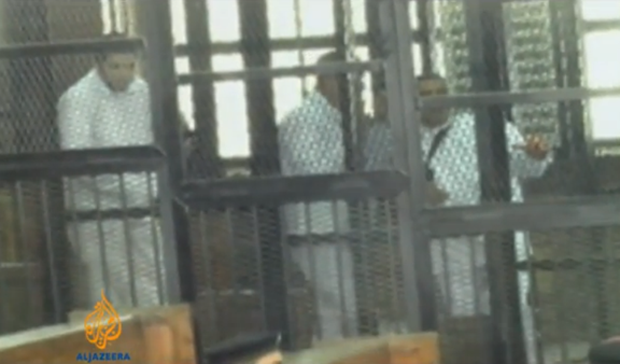
(Image: Al Jazeera English/YouTube)
Egypt’s recently sentenced three Al Jazeera journalists to seven years in prison under the country’s anti-terrorism laws. Others, tried in absentia, were given ten years. In light of this, the Index Youth Board this month asked Index’s younger readership to consider the question: When does giving a platform to extremist views through art or journalism become an act of terrorism? And should artists or journalists be exempt from terrorism laws, or should inflammatory works be banned?
Some readers expressed concern over how certain authorities might use the term “terrorism” too liberally, or even corruptly. A number of recent articles have questioned whether or not the UK’s legal definition of terrorism is too wide and threatens to criminalise us all; the board’s own Morgan Meaker wrote that “Branding artists as terrorists doesn’t silence them, it only proves their relevance.”
Index brought together young people to discuss the issue in two workshops, one in the organisation’s offices and one at the youth arts centre Platform in Islington. Both events sparked many new opinions and questions. Some pointed out the difficulty in defining works of art and journalism, while others debated whether or not anything that is trying to manipulate people’s thoughts can be considered an act of terrorism.
On the #IndexDrawtheLine Twitter feed the responses varied greatly, with some readers putting emphasis on the intentions behind the works in question, whilst others claimed that all art and journalism is politically loaded. What seems to be agreed on, however, is the issue of the viewer’s perspective. @lightielikeefua pointed out that a work of art or journalism can be misinterpreted as an act of terrorism if the government or the public doesn’t like or understand it; as @sboy9700 wrote, “One’s freedom fighter is another’s terrorist.”
Explore the responses to this month’s question on Draw the Line.
21 Jul 2014 | Mapping Media Freedom, Netherlands, News
Separatists in East Ukraine threatened journalists reporting on the Malaysia Airlines MH17 disaster. The plane was downed on Thursday 18 July killing 298 people, including 193 Dutch citizens.
Writing for The Daily Beast, Anna Nemtsova and two colleagues were detained at the morgue by separatists.
On Monday 21 July, Rudy Bouma, a reporter for the Dutch TV broadcaster Nieuwsuur, took photos of rebels carrying weapons at the train station in Donetsk. The separatists controlled the train that was carrying the bodies of the victims.
More reports from The Netherlands via mediafreedom.ushahidi.com
Journalist denied entrance to public court hearing
‘Rules for using drones by journalists too restricted’
Journalists’ cameras seized by police
Dutch magazine on trial for photographing princess
This article was posted on July 21, 2014 at indexoncensorship.org
16 Jul 2014 | Draw the Line, Events
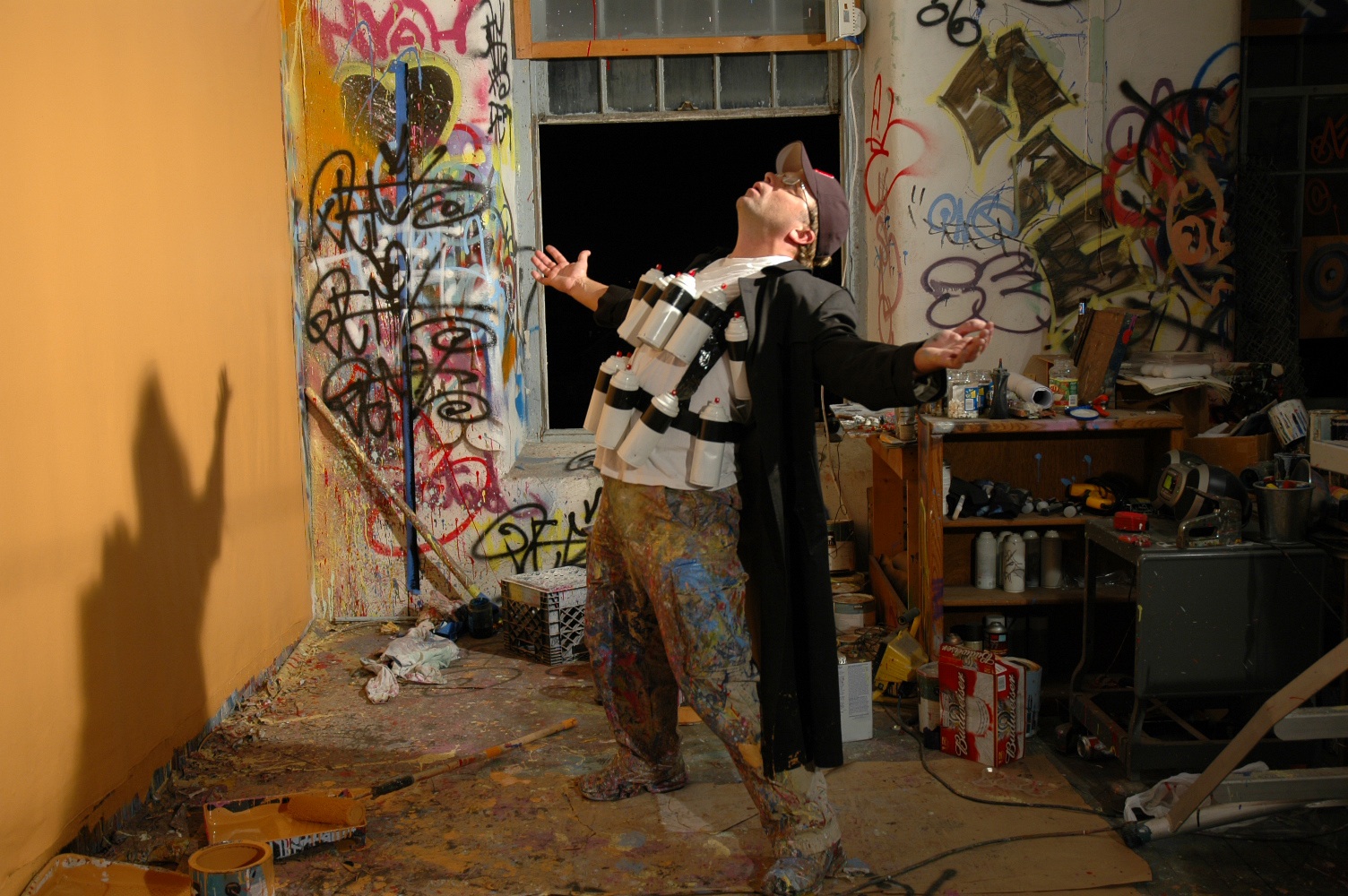
Can a piece of writing lead to someone detonating a bomb? Does art have the power to incite violent acts of terrorism? When does a piece of writing, or a painting, or a film cross the line from being art or journalism into an act of terrorism?
On June 23rd 2014, 3 journalists from the TV network Al Jazeera were sentenced to between 7 and 10 years in prison in Egypt on charges of terrorism for interviewing a named terrorist organisation. This sparked international outrage with many organisations condemning the arrests, but how do we define acts of terrorism? For this month’s Draw the Line event, Index on Censorship wants to know if you think creating something associated with terrorists can be terrorism?
We want to look at whether words or images can be weapons? Can a controversial article or artwork just be providing another side to the story? By suppressing works are we limiting free speech or protecting the public from incitements to hatred that could lead to violent acts of terrorism?
Join Index on Censorship for a lively debate where we will look at different cases of art and journalism being accused of terrorism and ask – where do you draw the line?
WHEN: Monday 4th August, 2.30pm
WHERE: Index on Censorship, 92-94 Tooley St, London, SE1 2TH
TICKETS: This event is FREE for under 25s, please RSVP here.
DRAW THE LINE is a new project for tomorrow’s leaders, artists, journalists and campaigners to get involved in fighting censorship: share your thoughts in the #IndexDrawtheLine discussion forum, take on the debate at our monthly events or contribute to our Young Writers / Artists programme. Tell us – where do you draw the line?