Freedom of expression is generally protected in the US, but political, legal, economic and cultural factors continue to constrain this fundamental right.
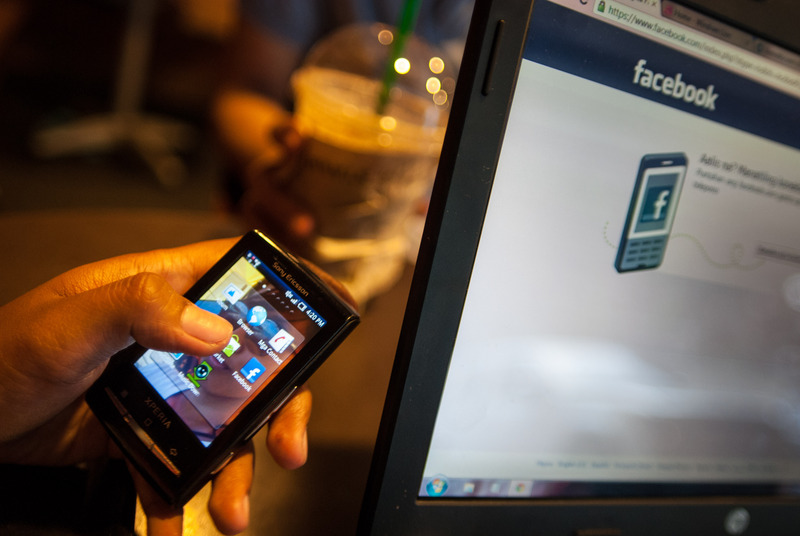
Decree 72, due to come into force September 1, has caused friction as it essentially prohibits people from posting links to news stories, or sections of news articles, on social media sites such as Facebook or the equally popular, locally produced Zing Me, Helen Clark writes
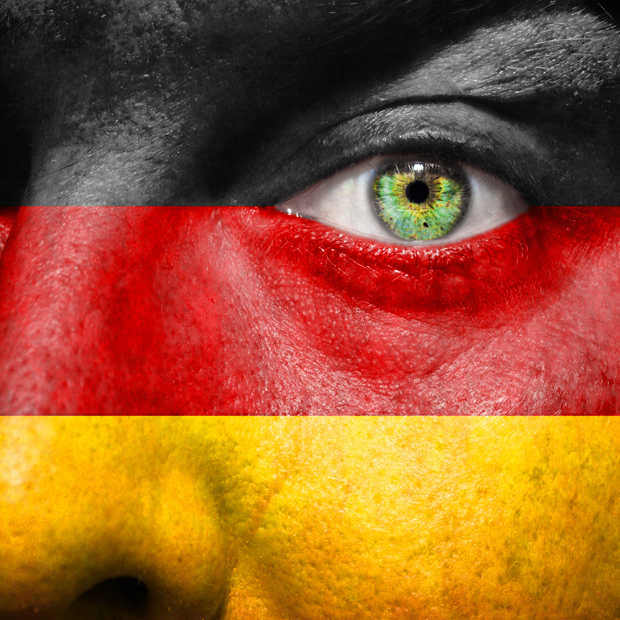
The situation with regards to freedom of expression in Germany is largely positive, but there are questions over internal mass surveillance.
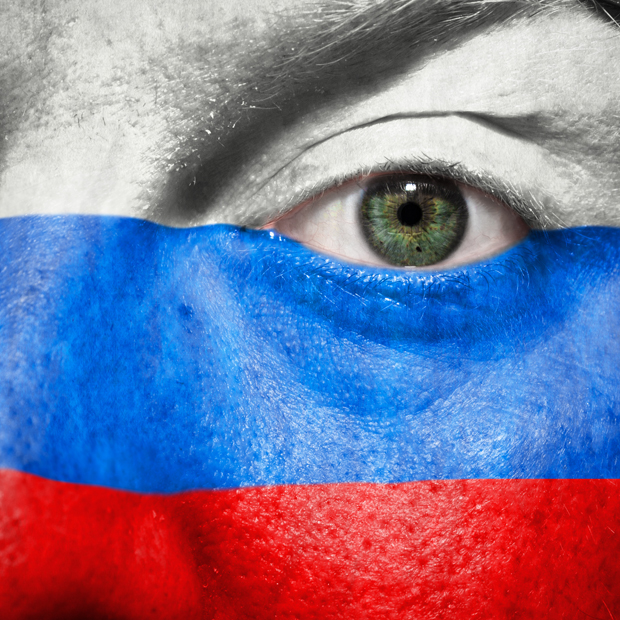
Russia’s environment for free expression is deteriorating, especially since the 2012 re-election of President Vladimir Putin.
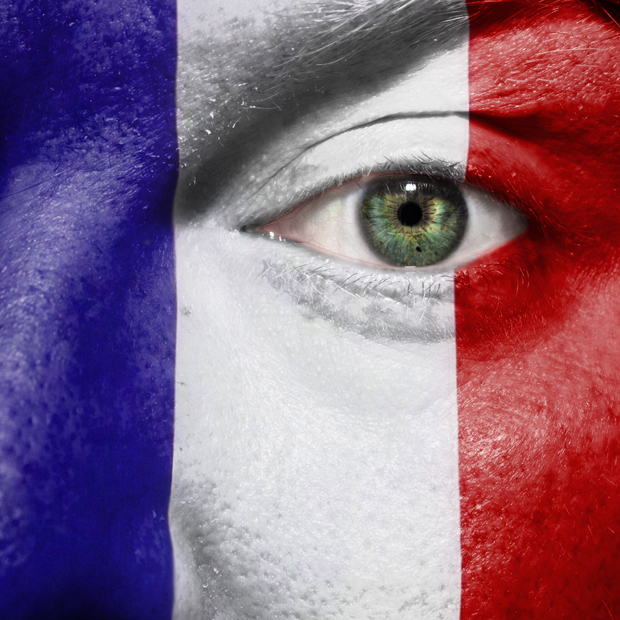
Freedom of expression is generally protected in France, although is limited by strict defamation and privacy laws. Several laws have passed since 1972 that have further restricted this fundamental right.
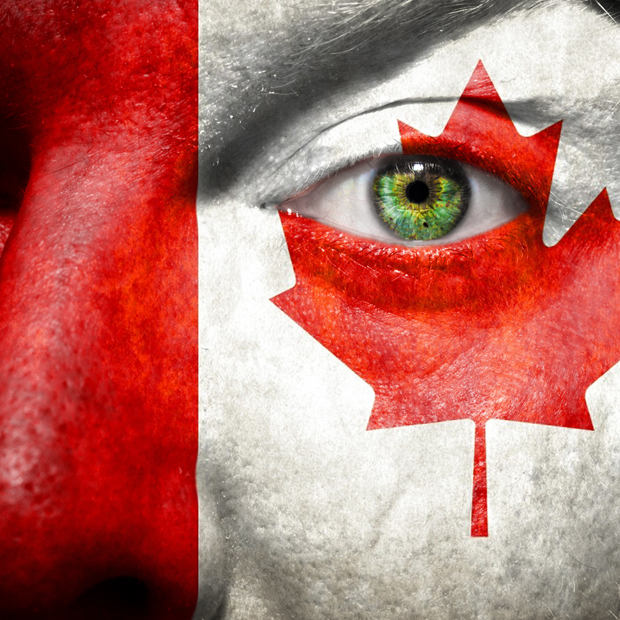
Despite having a generally positive free expression record, Canada has, in recent years, taken some regressive steps.
While the revelations around mass surveillance by the US and some European governments were reported by Bulgaria’s media, the country’s focus in recent months has been the fallout from the country’s elections. Georgi Kantchev reports
The situation for freedom of expression in Italy is curtailed by a lack of media plurality, restrictive media legislation and a digital sphere restricted by a strict privacy law.
A theatre playwright and a former worker from the Minsk Automobile Plant were found guilty of using offensive language online in Belarus. Andrei Aliaksandrau writes
The New Delhi High Court has given Facebook and Google one month to submit suggestions on how minors can be protected online in India. Mahima Kaul reports