9 Dec 2014 | About Index, Campaigns, Draw the Line, Young Writers / Artists Programme, Youth Board
The second cohort of Index on Censorship’s Youth Advisory Board was announced today. The members will discuss topical freedom of expression events, participate in #IndexDrawtheLine debates and advise Index on youth issues. The new board will sit from December 2014 to May 2015.
Index on Censorship Youth Advisory Board:
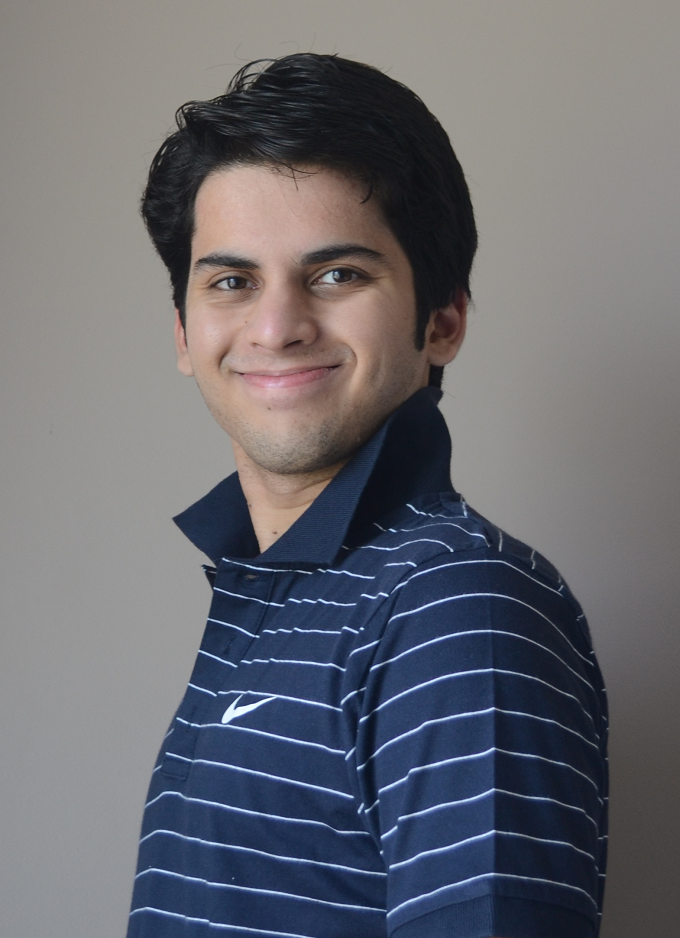 Abishek Phadnis
Abhishek recently completed a Master’s in Diplomatic History from the London School of Economics, and is due to commence doctoral research on an early history of the Indian nuclear weapons programme. As a secularist activist and a fierce campaigner against theocratic censorship in England, he has been honoured by the British National Secular Society for “bravely challenging Islamist groups, his own university (LSE) and Universities UK over important and fundamental issues such as free speech.
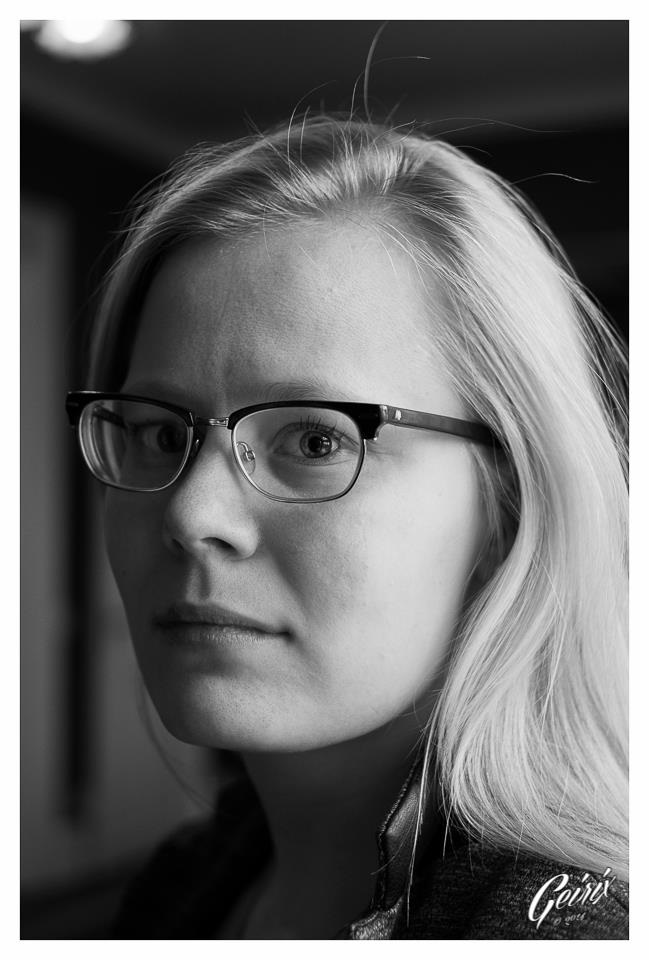 Ásta Helgadóttir
Ásta is a deputy member of the Icelandic Parliament for the Icelandic Pirate Party and will take position as an MP in the fall of 2015. Her interest in censorship is both political and academic, mainly focused on the aspects of European legal justifications regarding modern day technological censorship.
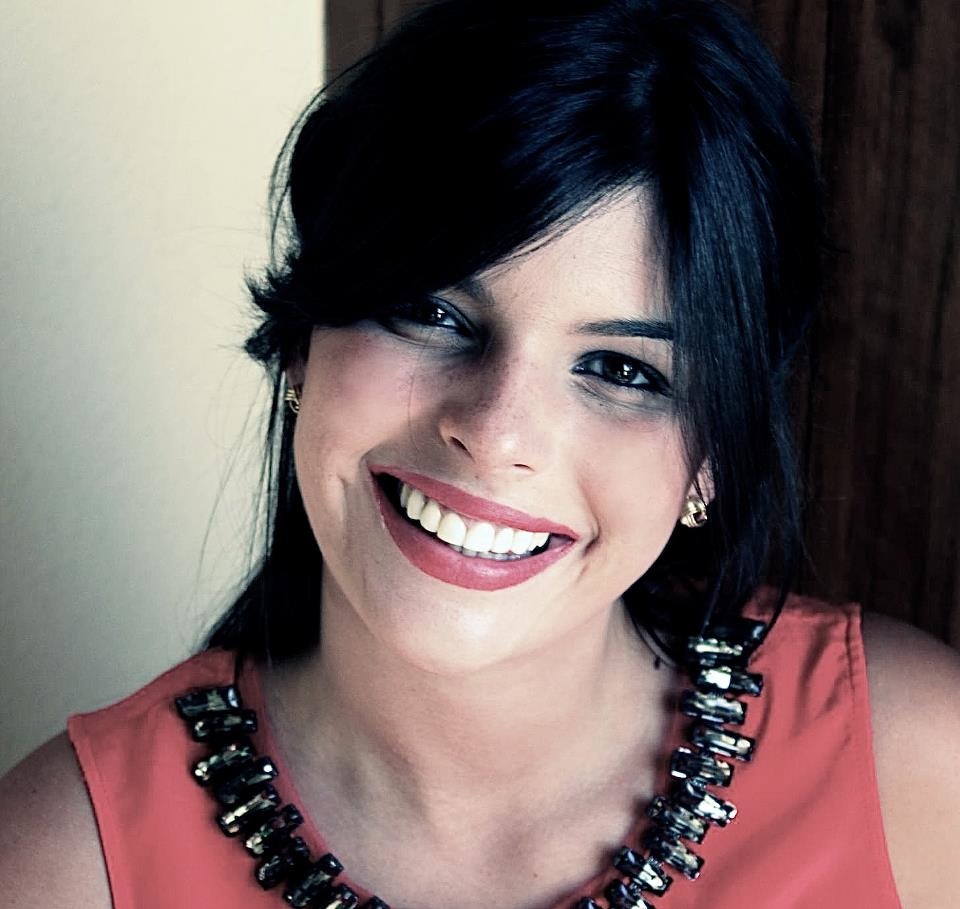 Catarina Demony
Catarina is the founder of The Voiceless, a media platform about human rights violations, and recently graduated from Kingston University with a Journalism degree. Currently, she works in the communications team at London School of Economics Students’ Union, as well as University of the Arts. Catarina also works closely with Amnesty LDN, part of Amnesty International movement for recent graduates and young professionals.
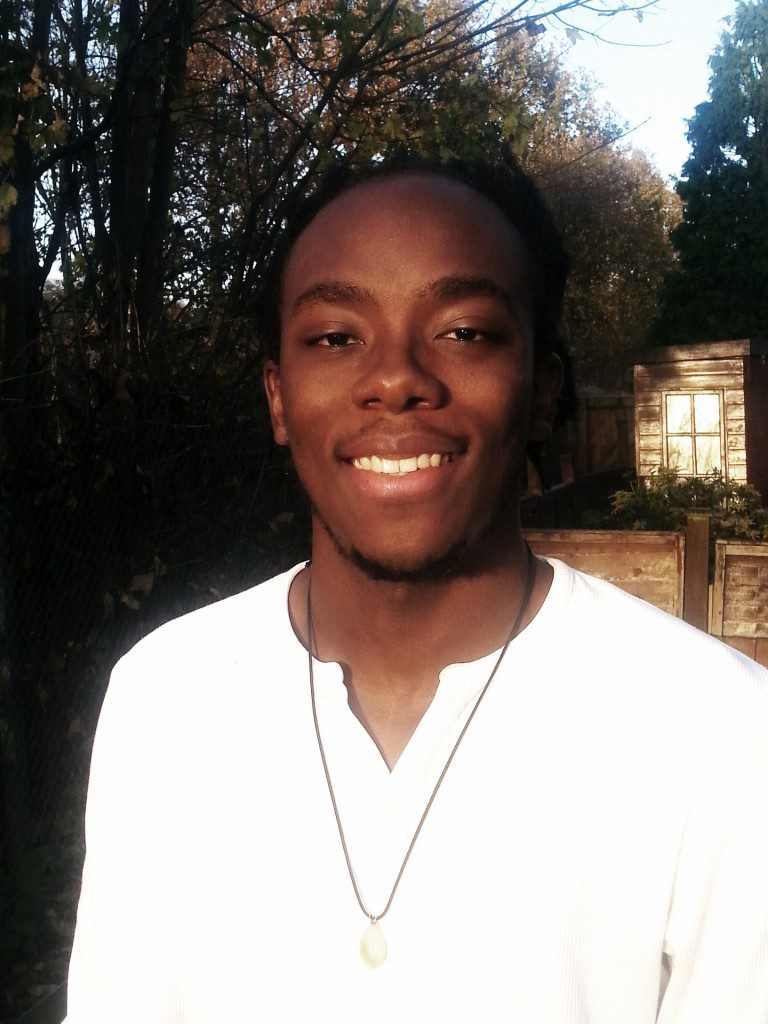 Jordan Mitchell
Jordan is a human rights advocate, writer, and Truth About Youth associate working with Ovalhouse Theatre. Based in London, he believes it is imperative for the under-represented to be given a platform, with a particular focus on the role of the media.
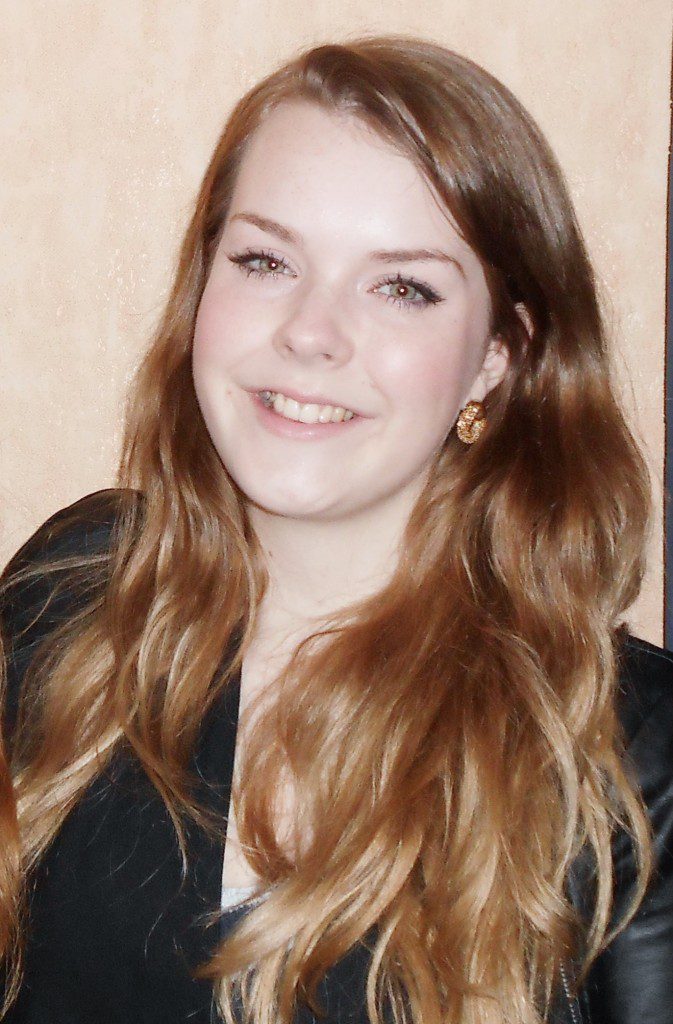 Kay Robinson
Kay is studying History and Politics at Lancaster University, and is sub-editor for the International Political Forum. A strong supporter of human rights, she believes that free and equal platforms of expression have a crucial role in forming safe, empowered societies.
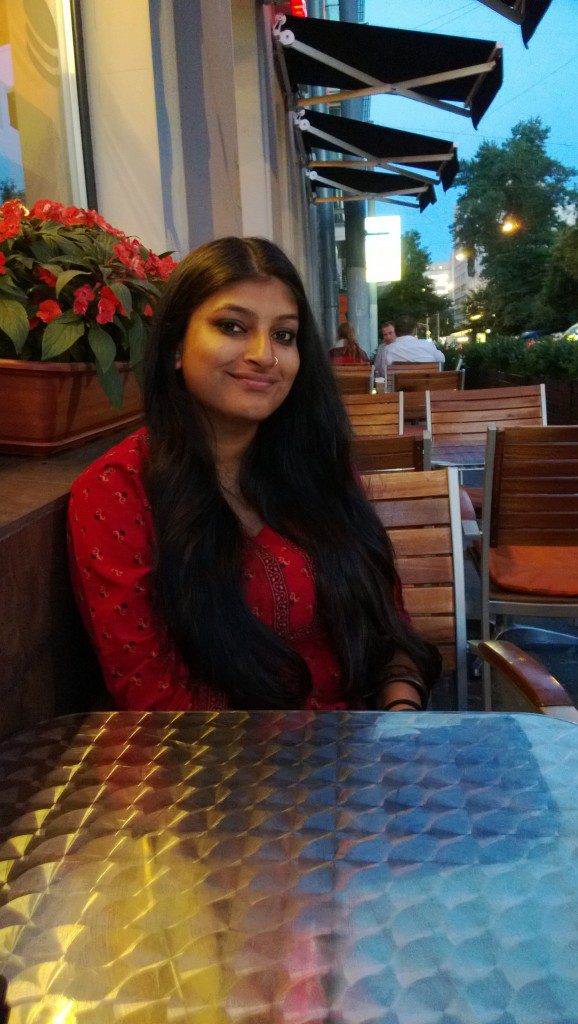 Mahima Singh
Mahima works for newslaundry.com, an independent media website in India. Mahima believes that the freedom of expression is one of the core fundamentals of a healthy society . She has been advocating freedom since her college days when she was forced to take down a story she had written because it upset the authority.
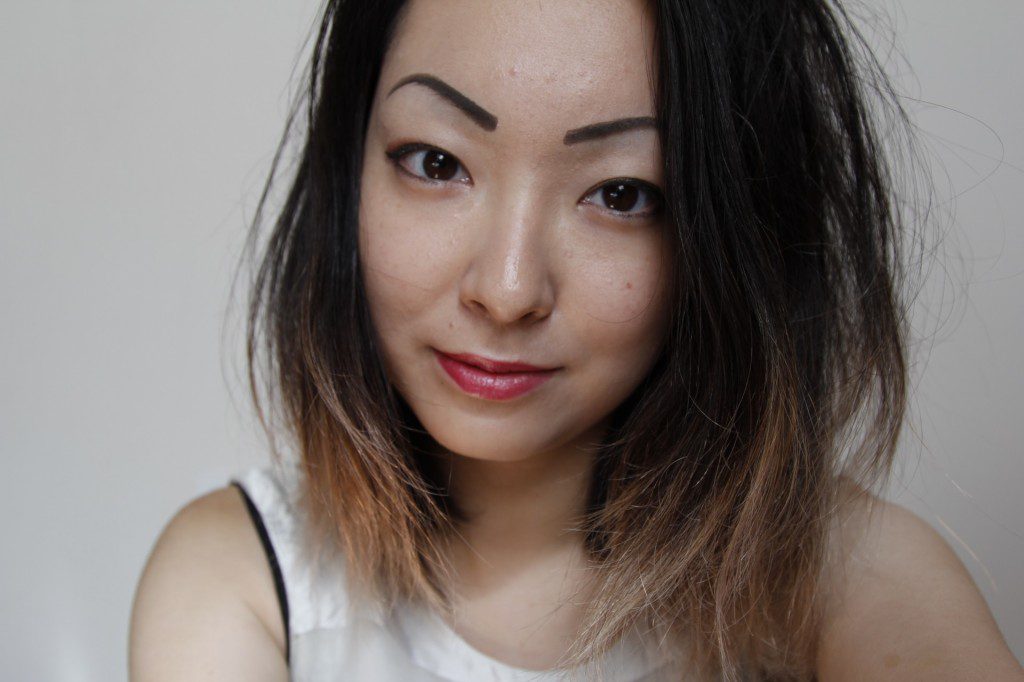 Mari Shibata
Mari is a freelance newsgatherer for AP Television, a BFI-funded filmmaker and ocassional writer for Vice. Also a Cambridge University graduate in music, she is passionate about issues surrounding free expression in the cultural arts from conflict zones.
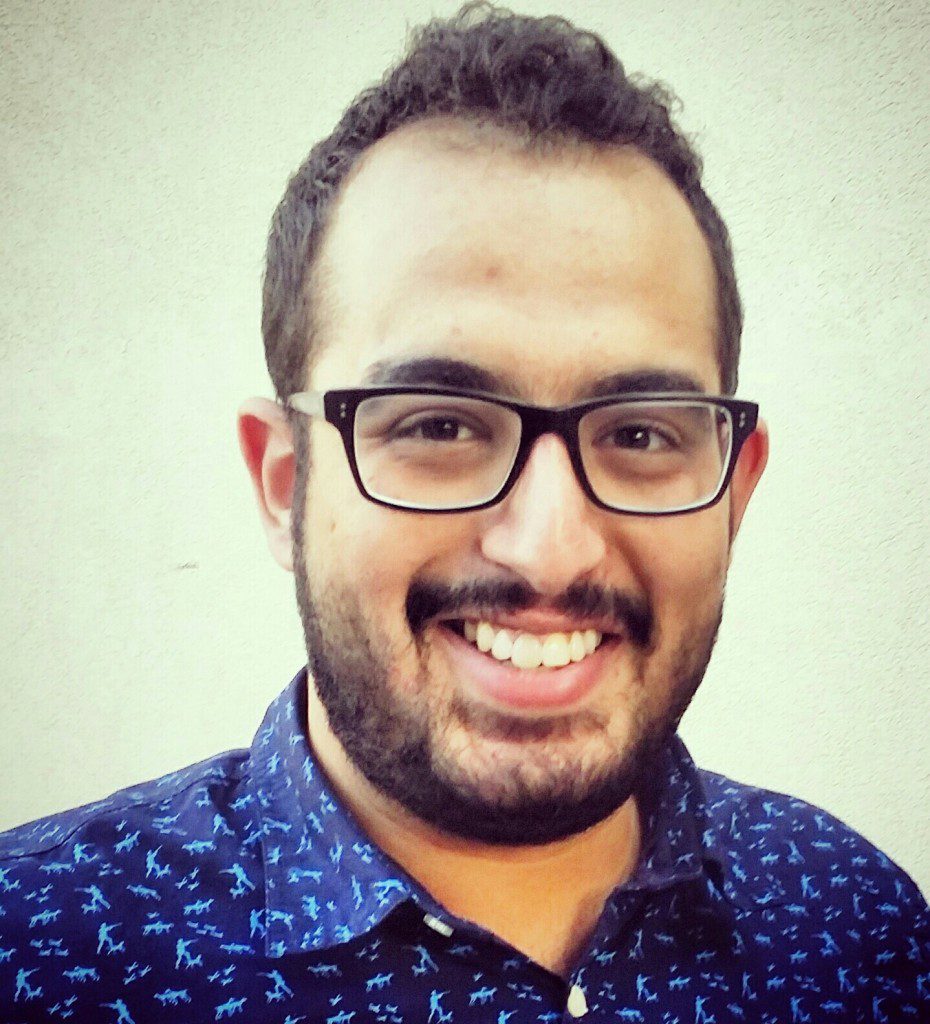 Mohanad Moetaz ElHawary
Mohanad is an Egyptian Engineering major in the Middle East. With the Arab uprisings over the last few years, his passions for freedom of expression and human rights were further consolidated. Mohanad is currently secretary, editor and founding member at a university club called ‘Fikir’ (meaning ‘thought’) that aims to encourage social involvement and responsibility.
The application period for the next youth board will open in May 2015 for the June to November cohort.
What is the youth board?
The youth board is a specially selected group of young people aged 16-25 who will advise and inform Index on Censorship’s work, supporting our ambition to fight for free expression all around the world and ensuring our engagement with issues relevant to tomorrow’s leaders.
Why has Index started a youth board?
Index on Censorship is committed to fighting censorship not only now, but also in future generations, and we want to ensure that the realities and challenges experienced by young people in today’s world are properly reflected in our work.
Index is also aware that there are many who would like to commit some or all of their professional lives to fighting for human rights and the youth board is our way of supporting the broadest range of young people to develop their voice, find paths to freely expressing it and potential future employment in the human rights/media/arts sectors.
What does the youth board do?
Board members meet once a month via Google Hangout to discuss the most pressing freedom of expression issues of the moment and to set a monthly question for our project, Draw the Line. You will be expected to write a minimum of 1 blog post introducing/concluding the question of the month and to help us spread the word about Index.
There is also the opportunity to get involved with events such as debates and workshops for our work with young people and also events such as our annual Index Freedom of Expression Awards and Index magazine launches.
How do people get on the youth board?
Each youth board will sit for a term of 6 months.
Current board members are invited to reapply up to one time.
The board will be selected by Index on Censorship in an open and transparent manner and in accordance with our commitment to promoting diversity.
Why join the Index on Censorship youth board?
You get the chance to be associated with a prestigious media and human rights organisation and have the opportunity to discuss issues you feel strongly about with Index and with other amazing young people (internationally). At each Board meeting we will also give you the chance to speak to someone senior within Index or the media/human rights/arts sectors, helping you to develop your knowledge and extend your personal networks and you’ll be featured on our website.
21 Nov 2014 | Azerbaijan News, News, Politics and Society
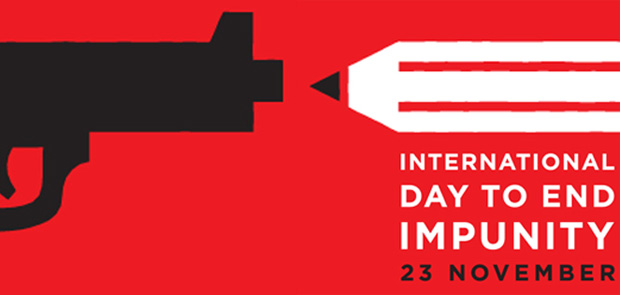
Impunity is a festering sore on freedom of the press. Harassment, violence and murder of journalists are problems around the world — even in Europe, as Index’s project mapping media violations has shown. The numbers speak for themselves: of the 370 media workers murdered in connection with their job over the past ten years, 90% have been murdered without their killers being punished. Many of these crimes aren’t even investigated.
Ahead of the International Day to End Impunity, journalists from across the world told Index why impunity is such a danger to free expression and a free press.
Kostas Vaxevanis, Greek investigative journalist, HOT DOC, and 2013 Index award winner
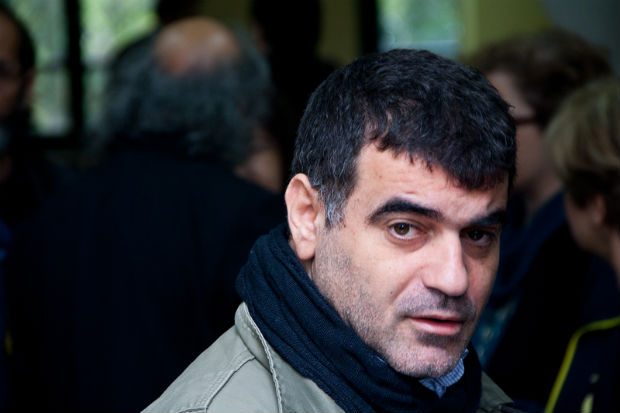
Impunity generates corruption and its enemy is the one thing that exposes and threatens it: the freedom of the press.
The HOT DOC is currently facing 40 lawsuits mainly from ministers and politicians in an attempt to shut us down as journalists. We reveal scandals like one with the minister of justice, a former judge who committed an “error” that granted amnesty to officials who had abused public funds, and instead of answering in public as required as politicians, we are being sued. We pester the courts and despite winning lawsuits, we need more than 80,000 euro per year for court expenses.
Heather Brooke, British-American journalist and 2010 Index award winner
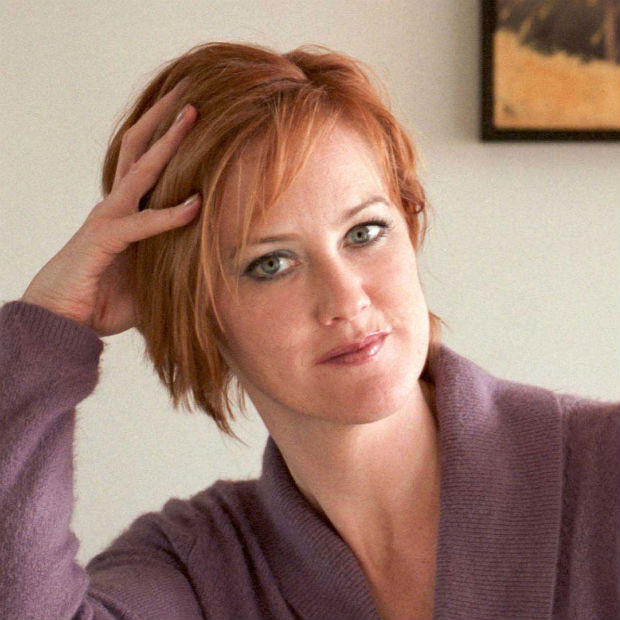
It is a problem that journalists around the world get threatened, intimidated and killed just for doing their job.
These crimes, like any other crime, need to be investigated. If not, it sends a message that this is okay; that the law is only for certain people. It is an implicit acceptance of this behaviour.
If we want to have a strong press, threats, intimidation and murder of journalists can’t be seen to be implicitly condoned by the state. It’s a dangerous message. It makes people frightened to ask tough questions, and if that happens, you are on the way to shutting down a robust press.
Kareem Amer, Egyptian blogger and 2007 Index award winner
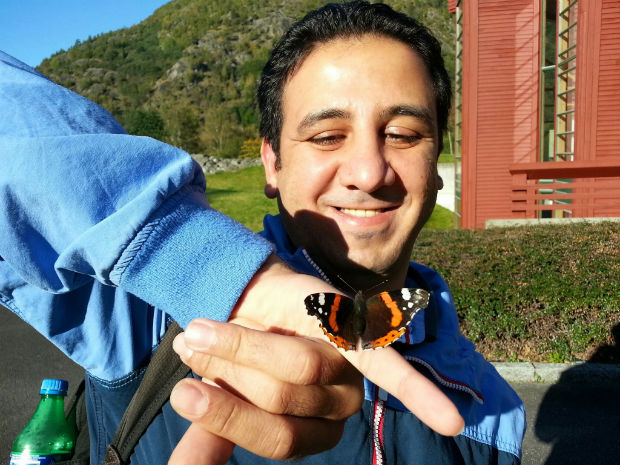
I come from a country where we have a lack of justice. The executive power controls the parliament and the justice system. People feel that if they get mistreated or oppressed by those in power nothing will protect them or bring them justice.
Not only people who express their opinions suffer from a lack of justice. People from different backgrounds who have a different way of thinking and different interests also don’t trust the justice system. Those who have more power can easily avoid punishment and take revenge against victims who tried to get their rights through judiciary system.
Officially, police officers don’t have any kind of formal immunity. According to the law they can be questioned if they violate the rights of people by torturing or murdering. But, in fact, all those accused of killing protesters and torturing prisoners managed to avoid being punished, with a few exceptions.
I feel that it’s not safe to express your opinions freely in a country where people can easily avoid punishment.
I have been sentenced to four years in jail for writing two articles and publishing them on the internet, and during that time I have been through physical violence and mistreatment committed by security forces. I reported it but no one has been questioned or punished. That made me feel that there is no justice in my country and that it is easy to be humiliated and tortured and you will not get protected, since the judiciary system is practically part of the executive power and the judges do what the authorities want them to do.
Rahim Haciyev, Azerbajiani journalist and acting editor of 2014 Index award winner Azadliq
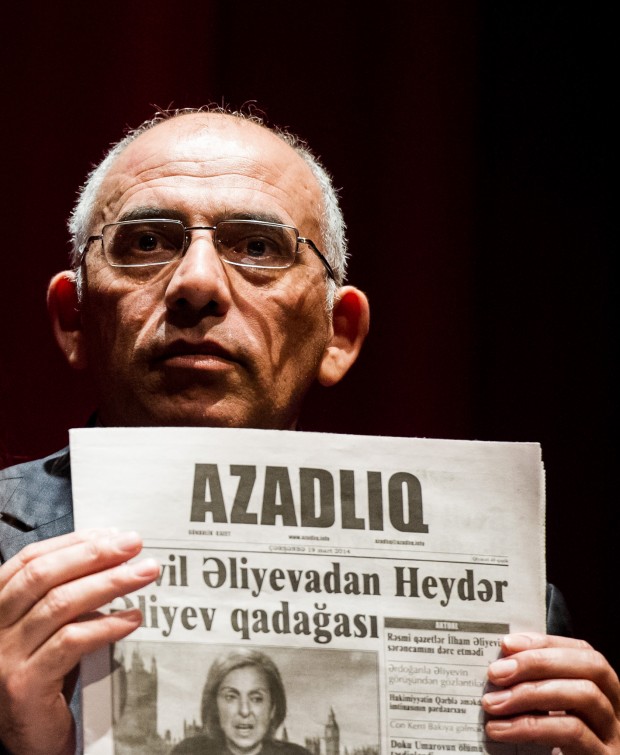
Rahim Haciyev, deputy editor-in-chief of Azerbaijani newspaper Azadliq (Photo: Alex Brenner for Index on Censorship)
Freedom of expression is the basis of all other rights and freedoms. Free speech is something all authoritarian regimes are worried about as it threatens their existence. That is why freedom of expression is specifically targeted by authoritarian regimes. If there are no free people, there is no freedom of expression. Free speech is a precondition for journalists to be able to work in full strength and thus fulfill their functions in society. Authoritarian regimes organise permanent attacks on journalists with impunity. A free journalist armed with freedom of expression is a threat to an authoritarian regime, this is why perpetrators receive awards, not punishment for oppressing journalists’ rights. This process leads to self-censorship, and journalists stop being carriers of truthful information, which in the end affects society.
Nazeeha Saeed, award-winning Bahraini journalist, who was tortured in police custody
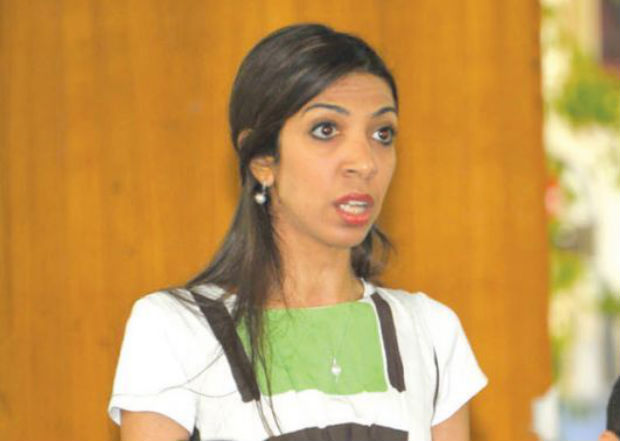
Impunity is a threat to free expression because journalists and people who report the facts on the ground will feel danger, and if no one gets punished for crimes against journalists or others it establishes a systematic impunity culture. Feeling insecure is something bad, it stops people from having a normal life, functioning and expressing themselves.
Endalk Chala, Ethiopian blogger and co-founder of the Zone9 blogging collective (of which six members are currently imprisoned for their writing)
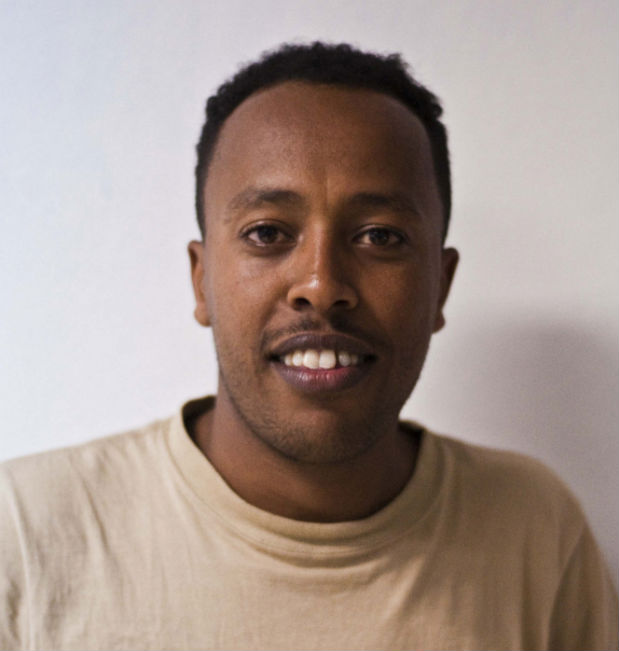
Impunity is a threat for free expression on many levels. In my experience I have seen impunity when it cultivates self-censorship. Let’s take the case of Zone9 bloggers. Since their arrest there are a lot of people who tried to visit them in prison, take a picture of them, attend their trial and tweet about their hearings but all of these have invited very bad reactions from the Ethiopian police.
Some were arrested briefly, others were beaten and it has become impossible to attend the “trial” of the bloggers and journalists. No action was taken by the Ethiopian courts against the bad actions of the police even though the bloggers have contentiously reported the kinds of harassment. As a result, people have stopped tweeting, taking pictures and writing about the bloggers. Apparently, the volume of the tweets and Facebook status updates which comes from Ethiopia has dwindled significantly. People don’t want to risk harassment because of a single tweet or a picture. This self-censorship could be attributed to impunity, which is pervasive in Ethiopia.
Impunity also causes a lack of trust in the Ethiopian judicial system. I don’t trust the independence of the Ethiopian justice system. I have never seen a police man/woman or a government authority being prosecuted for their bad actions against journalists. The Ethiopian government has been prosecuting hundreds of journalists for criminal defamation, terrorism and inciting violence but not a single government person for violating journalists’ rights. This tells you a lot about the compromised justice system of the country.
Andrei Soldatov, Russian investigative journalist and co-founder and editor of Agentura.Ru
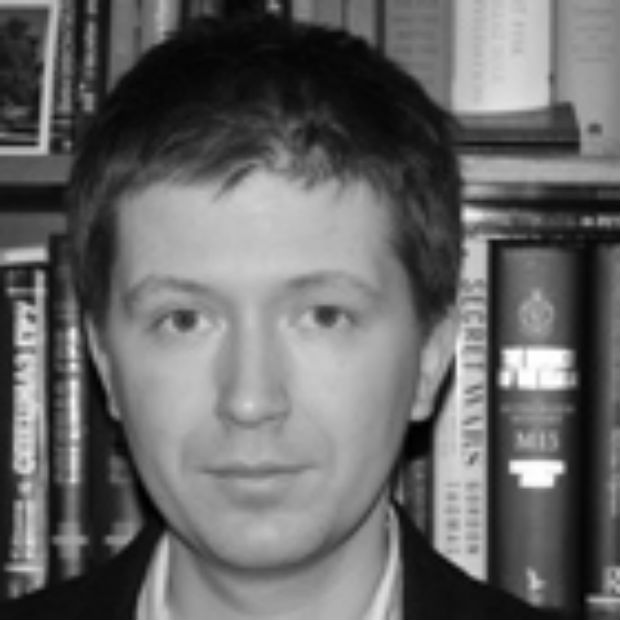
Russia is known for its traditions of self-censorship. Despite what the laws say, the rules are explained in a quiet voice in some unmarked cabinets. Sometimes the rules are even not explained, and journalists, editors and owners of media have to constantly guess what is allowed at that moment. Not everyone is allowed to ask directly, so we are all in the game about signals sent by the authorities.
Journalists are beaten and killed in Russia, and this provides plenty of room to send such signals to the journalistic community. You don’t need to explain that investigative reporting in the North Caucasus is not allowed anymore: you just need to turn the investigation of Anna Politkovskaya’s assassination in 2006 into a show trial, where the assassins are duly found guilty, but the question of masterminds is never answered. You could be sure, the signal would be taken correctly.
Fergal Keane, Irish journalist, BBC foreign correspondent and 2003 Index award winner
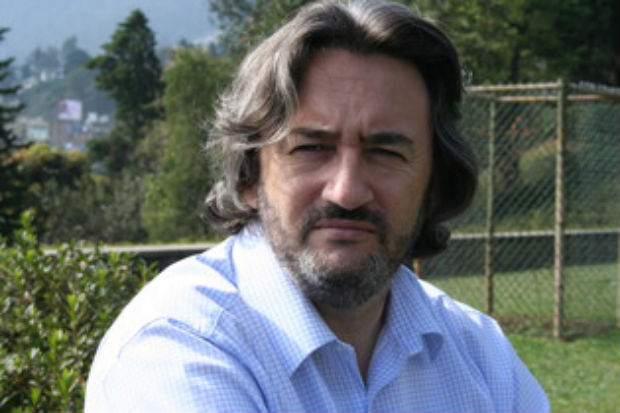
Impunity allows the enemies of free speech to threaten, torture and kill journalists secure in the knowledge they will never be called to account. I can’t think of a greater threat.
Veran Matic, B92 board of directors chairman and B92 news editor-in-chief
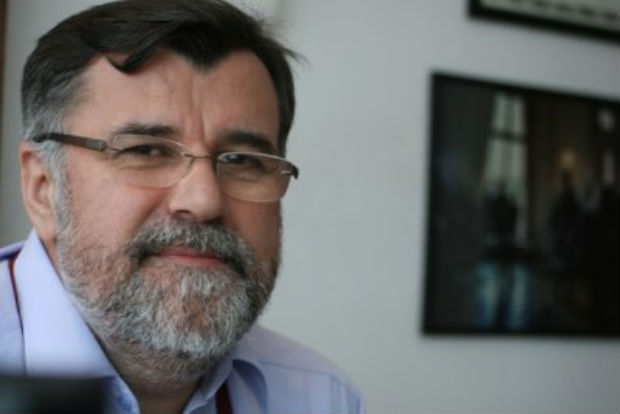
In my 25 years of experience in Serbia, I have been editor-in-chief of a media outlet that was banned on several occasions and I have been arrested.
Impunity directly encourages and expands violence towards journalists. The culture of producing fear is the most efficient form of censorship. One unsolved murder creates space for implementing the next one without any threat for the executioners. In the meantime, the media gets killed/eliminated in the process.
The lack of discontinuity with Slobodan Milosevic’s authoritarian regime had left room for impunity to remain intact.
Less than two years ago, I decided to make a kind of a breakthrough when it comes to impunity. I proposed the establishment of a mixed commission composed of journalists, members of the police and members of the security information agency. We managed to bring the 1999 murder of Slavko Curuvija to a phase where official indictment was brought, along with arrest of all suspects in this murder case. The 2001 murder of our colleague Milan Pantic is also in the final stage of investigation. A 1994 assassination — of Dada Vujasinovic — is being reviewed by the National Forensic Institute from The Hague because local institutions have compromised themselves in this case.
In the same way as impunity restricts freedom of speech, solving of these cases, at least 20 years later, will surely contribute to journalists being encouraged to do their job in the best possible way. Of course, I am not counting here on the new problems with which journalists and media face, and that call for finding new models of financing high quality journalism for the sake of public interest, worldwide.
The team behind Pao-Pao, a Chinese website focusing on internet freedom issues
This year, we have seen a rising number of Chinese journalists, academics and human rights lawyers detained, threatened and arrested simply for speaking out online. While Chinese regulations on freedom of speech need to be closely examined, tech companies also play an important role in the deterioration of freedom of speech in China.
While Chinese tech companies are under the tight control of the Chinese authorities, there exists a culture of impunity in the western tech companies, especially when they are doing business in China. When we worked with our partner GreatFire to launch a FreeWeibo iOS application last year (an app to deliver uncensored content from Weibo, the largest social media platform in China), Apple decided to remove the app from their Chinese iTunes store. The only reason given was that Apple received a request from the Chinese authorities. This June, LinkedIn censored user posts deemed sensitive by the Chinese government on the global level, far beyond Beijing’s censorship requirement, even though LinkedIn does not have servers in China.
It would be the start of the end if these global tech companies start removing content simply because they do not want to upset their business relationships with China. It is crucial to hold these companies accountable for their behaviour. Otherwise it will further erode freedom of expression, not only for China, but also for the whole world.
The International Day to End Impunity was set up in 2011 by free speech network IFEX, of which Index on Censorship is a member, with the aim of demanding accountability and justice on behalf of those “targeted for exercising their right to freedom of expression”.
This article was originally posted on 21 November 2014 at indexoncensorship.org. It was updated at 14:09, 24 November to include the response from Pao-Pao.
7 Nov 2014 | Awards, Awards year slider
[vc_row full_width=”stretch_row_content_no_spaces” css_animation=”fadeIn” css=”.vc_custom_1485788605439{padding-top: 250px !important;padding-bottom: 250px !important;background-image: url(https://www.indexoncensorship.org/wp-content/uploads/2014/11/2014-logo-1460×490.png?id=81108) !important;background-position: center !important;background-repeat: no-repeat !important;background-size: cover !important;}”][vc_column][/vc_column][/vc_row][vc_row css=”.vc_custom_1472525914065{margin-top: -150px !important;}”][vc_column][vc_row_inner equal_height=”yes” content_placement=”middle”][vc_column_inner el_class=”awards-inside-desc” width=”1/2″][vc_custom_heading text=”FREEDOM OF EXPRESSION AWARDS 2014″ use_theme_fonts=”yes”][vc_column_text]Index on Censorship’s Freedom of Expression Awards exist to celebrate individuals or groups who have had a significant impact fighting censorship anywhere in the world.
- Awards were offered in four categories: Arts, Campaigning, Digital Activism and Journalism
- Winners were honoured at a gala celebration in London at the Barbican Centre
[/vc_column_text][/vc_column_inner][vc_column_inner width=”1/2″][vc_video link=”https://www.youtube.com/watch?v=AW9QlnDVi2Q&list=PLlUhPA3TuB55ge1Ysq9HesLEzGOE6hG96″][/vc_column_inner][/vc_row_inner][/vc_column][/vc_row][vc_row css=”.vc_custom_1472608310682{margin-top: 0px !important;margin-bottom: 20px !important;}”][vc_column][vc_custom_heading text=”WINNERS” font_container=”tag:h1|text_align:center” use_theme_fonts=”yes” css=”.vc_custom_1477036676595{margin-top: 0px !important;}”][vc_row_inner][vc_column_inner width=”1/3″][staff name=”Shahzad Ahmad” title=”Advocacy Award” color=”#28a7cc” profile_image=”56254″]Shahzad Ahmad is one of the leading voices in the fight against online censorship in Pakistan. The country faces a deteriorating state of cyber freedom, as the government uses draconian censorship laws and increasing surveillance to police the internet. Ahmad is country director of Bytes4All. The group campaigns for internet rights and democracy by building capacity for human rights defenders, as well as advocacy and awareness-raising. Ahmad and Bytes4All have sued the Pakistani government over the suspected use of surveillance software, FinFisher – a piece of software that infects a computer and takes full control of it, intercepting Skype calls and allowing every keystroke the user types to be sent across the internet to another computer. Developed by UK-based company Gamma International, it has been used to target activists in Bahrain amongst other countries. He is also suing the government over its ongoing blocking of YouTube which deprives the country of one of the world’s most popular video channels.[/staff][/vc_column_inner][vc_column_inner width=”1/3″][staff name=”Mayam Mahmoud” title=”Arts Award” color=”#28a7cc” profile_image=”81023″]Rapper Mayam Mahmoud uses hip-hop to address issues such as sexual harassment and to stand up for women’s rights in Egypt. Women played a significant role in the demonstrations that eventually toppled the regime of Hosni Mubarak in 2011. In the aftermath, however, the problem of sexual harassment has become what activists now describe as “an epidemic”. The 18-year-old rose to prominence through her appearances on the popular TV show Arabs Got Talent. Aged 12, she was introduced to poetry by her mother. She began writing her own work, which soon turned into rap — still a male dominated music genre across the world.[/staff][/vc_column_inner][vc_column_inner width=”1/3″][staff name=”Shubhranshu Choudhary” title=”Digital Actvism Award” color=”#28a7cc” profile_image=”56255″]Journalist Shubhranshu Choudhary is the brain behind CGNet Swara (Voice of Chhattisgarh) a mobile-phone (no smartphone required) service that allows citizens to upload and listen to local reports in their local language. CGNet Swara is a vital tool giving people who are deprived of a voice and platform in mainstream media, on the wrong side of the digital divide, a chance to have a say on and learn about the issues that affect them the most. Furthermore, CGNet Swara also manages to circumvent India’s strict broadcast licensing laws. Choudhary estimates that there are some 100 million people in India for whom mainstream methods of communicating news don’t work, whether due to language barriers, low levels of literacy or lack of access to internet and newspapers among other things. This represents a serious barrier to their socio-economic development, as they are not updated on stories of importance to them, and their views and grievances and demands are not voiced and addressed.[/staff][/vc_column_inner][/vc_row_inner][vc_row_inner][vc_column_inner width=”1/3″][staff name=”Azadliq” title=”Journalism Award” color=”#28a7cc” profile_image=”56243″]One of the few remaining independent media outlets in Azerbaijan, the newspaper Azadliq has continued to report on government corruption and cronyism in spite of an increasing financial squeeze enforced by the authorities. The country likes to present itself as a modern democracy, but it is widely recognised as an authoritarian regime where opposition is often brutally cracked down on and critical voices silenced. In this environment, Azadliq works to hold the ruling Aliyev family, and the rest of the powerful elite in the country to account. The latest attacks on the paper came hot on the heels of the country’s 2013 presidential election, where Ilham Aliyev was reelected in a vote labelled flawed by the OSCE. The paper has been been the target of defamation suits that have resulted in £52,000 in fines. Courts found Azadliq guilty of “damaging” the business reputation of Kabira Mamedova, director of the Baku-based Bina shopping centre, and Taghi Ahmadov, CEO of the Baku Metro, after the paper published articles critical of their activities.[/staff][/vc_column_inner][vc_column_inner width=”1/3″][/vc_column_inner][vc_column_inner width=”1/3″][/vc_column_inner][/vc_row_inner][/vc_column][/vc_row][vc_row][vc_column][vc_custom_heading text=”JUDGING” font_container=”tag:h1|text_align:center” use_theme_fonts=”yes”][vc_row_inner el_class=”mw700″][vc_column_inner][vc_column_text]
Criteria – Anyone involved in tackling free expression threats – either through journalism, campaigning, the arts or using digital techniques – is eligible for nomination.
Any individual, group or NGO can nominate or self-nominate. There is no cost to apply.
Judges look for courage, creativity and resilience. We shortlist on the basis of those who are deemed to be making the greatest impact in tackling censorship in their chosen area, with a particular focus on topics that are little covered or tackled by others.
Nominees must have had a recognisable impact in the past 12 months.
Where a judge comes from a nominee’s country, or where there is any other potential conflict of interest, the judge will abstain from voting in that category.
Panel – Each year Index recruits an independent panel of judges – leading world voices with diverse expertise across campaigning, journalism, the arts and human rights.
The judges for 2014 were:
[/vc_column_text][/vc_column_inner][/vc_row_inner][vc_row_inner][vc_column_inner width=”1/3″][staff name=”Samira Ahmed” title=”Journalist and BBC broadcaster” color=”#28a7cc” profile_image=”80231″]Samira Ahmed is a British freelance journalist, writer and broadcaster at the BBC, where she has presented Radio 4’s PM, The World Tonight and Sunday. She also presented two Proms for BBC Four in 2011. On BBC Radio 3, Ahmed is one of the presenters of Night Waves. Her writing has appeared in The Guardian, The Independent and for The Spectator magazine’s Arts Blog. She was a reporter and presenter on Channel 4 News from 2000 to 2011. She presented Sunday Morning Live, a topical discussion programme on BBC One from 2012 to 2013.[/staff][/vc_column_inner][vc_column_inner width=”1/3″][staff name=”Howard Brenton” title=”Playwright” color=”#28a7cc” profile_image=”80230″]Howard John Brenton is an English playwright and screenwriter.[/staff][/vc_column_inner][vc_column_inner width=”1/3″][staff name=”Edward Fitzgerald QC CBE” title=”Barrister, Doughty Street Chambers” color=”#28a7cc” profile_image=”80229″]Edward Hamilton Fitzgerald CBE QC is an English barrister who specialises in criminal law, public law, and international human rights law.[/staff][/vc_column_inner][/vc_row_inner][vc_row_inner][vc_column_inner width=”1/3″][staff name=”Stephen King” title=”Partner, Omidyar Network” color=”#28a7cc” profile_image=”80232″]Stephen King is a partner at Omidyar Network, the philanthropic investment firm set up by Pierre Omidyar, the founder of eBay and his wife, Pam. King invests in technology platforms which drive improved government transparency and accountability worldwide.[/staff][/vc_column_inner][vc_column_inner width=”1/3″][/vc_column_inner][vc_column_inner width=”1/3″][/vc_column_inner][/vc_row_inner][/vc_column][/vc_row][vc_row css=”.vc_custom_1473325552363{margin-top: 0px !important;margin-bottom: 20px !important;padding-top: 0px !important;padding-right: 15px !important;padding-bottom: 0px !important;padding-left: 15px !important;}”][vc_column css=”.vc_custom_1473325567468{margin-top: 0px !important;margin-bottom: 0px !important;padding-top: 0px !important;padding-bottom: 0px !important;}”][awards_gallery_slider name=”GALLERY” images_url=”80990,80991,80992,80993,80994,80995,80996,80997,80998,80999,81000,81001,81003,81004,81005,81006,81008,81009,81010,81011,81012,81014,81016,81017,81018,81019,81020,81021,81022″][/vc_column][/vc_row]
29 Oct 2014 | About Index, Bahrain Statements, Campaigns, Statements
The undersigned 40 organisations call on the international community to publicly condemn the ongoing crackdown on human rights defenders, who face harassment, imprisonment, and forced exile for peacefully exercising their internationally recognised rights to freedom of expression and assembly. With parliamentary elections in Bahrain scheduled for 22 November, the international community must impress upon the government of Bahrain the importance of releasing peaceful human rights defenders as a precursor for free and fair elections.
Attacks against human rights defenders and free expression by the Bahraini government have not only increased in frequency and severity, but have enjoyed public support from the ruling elite. On 3 September 2014, King Hamad bin Isa Al-Khalifa said he will fight “wrongful use” of social media by legal means. He indicated that “there are those who attempt to exploit social media networks to publish negative thoughts, and to cause breakdown in society, under the pretext of freedom of expression or human rights.” Prior to that, the Prime Minister warned that social media users would be targeted.
The Bahrain Centre for Human Rights (BCHR) documented 16 cases where individuals were imprisoned in 2014 for statements posted on social media platforms, particularly on Twitter and Instagram. In October alone, some of Bahrain’s most prominent human rights defenders, including Nabeel Rajab, Zainab Al-Khawaja and Ghada Jamsheer, face sentencing on criminal charges related to free expression that carry years-long imprisonment.
Nabeel Rajab, President of the BCHR, Director of the Gulf Centre for Human Rights (GCHR), and Deputy Secretary General of the International Federation for Human Rights (FIDH), was arrested on 1 October 2014 and charged with insulting the Ministry of Interior and the Bahrain Defence Forces on Twitter. Rajab was arrested the day after he returned from an advocacy tour in Europe, where he spoke about human rights abuses in Bahrain at the United Nations Human Rights Council in Geneva, addressed the European Parliament in Brussels, and visited foreign ministries throughout Europe.
On 19 October, the Lower Criminal Court postponed ruling on Rajab’s case until 29 October and denied bail. Rajab’s family was banned from attending the proceedings. Under Article 216 of the Bahraini Penal Code, Rajab could face up to three years in prison. We believe that Rajab’s detention and criminal case are in reprisal for his international advocacy and that the Bahraini authorities are abusing the judicial system to silence Rajab. More than 100 civil society organisations have called for Rajab’s immediate and unconditional release, while the United Nations called his detention “chilling” and argued that it sends a “disturbing message.” The United States and Norway called for the government to drop the charges against Rajab, and France called on Bahrain to respect freedom of expression and facilitate free public debate.
Zainab Al-Khawaja, who is over eight months pregnant, remains in detention since 14 October on charges of insulting the King. These charges relate to two incidents, one in 2012 and another during a court appearance earlier this month, where she tore a photo of the King. On 21 October, the Court adjourned her case until 30 October and continued her detention.
Zainab Al-Khawaja is the daughter of prominent human rights defender Abdulhadi Al-Khawaja, who is currently serving a life sentence in prison, following a grossly unfair trial, for calling for political reforms in Bahrain. Zainab Al-Khawaja has been subjected to continuous judicial harassment, imprisoned for most of last year and prosecuted on many occasions. Three additional trumped up charges were brought against her when she attempted to visit her father at Jaw Prison in August 2014 when he was on hunger strike. The charges are related to “entering a restricted area”, “not cooperating with police orders” and “verbal assault”.
Zainab’s sister, Maryam Al-Khawaja, was also targeted by the Bahraini government recently. The Co-Director of the GCHR is due in court on 5 November 2014 to face sentencing for allegedly “assaulting a police officer.” While the only sign that the police officer was assaulted is a scratched finger, Maryam Al-Khawaja suffered a torn shoulder muscle as a result of rough treatment at the hands of police. She spent more than two weeks in prison in September following her return to Bahrain to visit her ailing father. More than 150 civil society organisations and individuals called for Maryam Al-Khawaja’s release in September, as did UN Special Rapporteurs and Denmark.
Other human rights defenders recently jailed include feminist activist and women’s rights defender Ghada Jamsheer, detained since 15 September 2014 for comments she allegedly made on Twitter regarding corruption at Hamad University Hospital. Jamsheer faced the Lower Criminal Court on 22 October 2014 on charges of “insult and defamation over social media” in three cases and a verdict is scheduled on 29 October 2014.
While the government of Bahrain continues to publicly tout efforts towards reform, the facts on the ground speak to the contrary. Human rights defenders remain targets of government oppression, while freedom of expression and assembly are increasingly under attack. Without the immediate and unconditional release of political prisoners and human rights defenders, reform cannot become a reality in Bahrain.
We urge the international community, particularly Bahrain’s allies, to apply pressure on the government of Bahrain to end the judicial harassment of all human rights defenders. The government of Bahrain must immediately drop all charges against and ensure the release of human rights defenders and political prisoners, including Nabeel Rajab, Abdulhadi Al-Khawaja, Zainab Al-Khawaja, Ghada Jamsheer, Naji Fateel, Dr. Abduljalil Al-Singace, Nader Abdul Emam and all those detained for expressing their right to freedom of expression and assembly peacefully.
Signed,
Activist Organization for Development and Human Rights, Yemen
African Life Center
Americans for Democracy and Human Rights in Bahrain (ADHRB)
Arabic Network for Human Rights Information (ANHRI)
Avocats Sans Frontières Network
Bahrain Center for Human Rights (BCHR)
Bahrain Human Rights Observatory (BHRO)
Bahrain Institute for Rights and Democracy (BIRD)
Bahrain Salam for Human Rights
Bahrain Youth Society for Human Rights (BYSHR)
Canadian Journalists for Free Expression (CJFE)
CIVICUS: World Alliance for Citizen Participation
English PEN
European-Bahraini Organisation for Human Rights (EBOHR)
Freedom House
Gulf Center for Human Rights (GCHR)
Index on Censorship
International Centre for Supporting Rights and Freedom, Egypt
International Independent Commission for Human Rights, Palestine
International Awareness Youth Club, Egypt
Kuwait Institute for Human Rights
Kuwait Human Rights Society
Lawyer’s Rights Watch Canada (LWRC)
Maharat Foundation
Nidal Altaghyeer, Yemen
No Peace Without Justice (NPWJ – Italy)
Nonviolent Radical Party, Transnational and Transparty (NRPTT – Italy)
PEN International
Redress
Reporters Without Borders
Reprieve
Réseau des avocats algérien pour défendre les droits de l’homme, Algeria
Solidaritas Perempuan (SP-Women’s Solidarity for Human Rights), Indonesia
Strategic Initiative for Women in the Horn of Africa (SIHA)
Syrian Non-Violent Movement
The Voice of Women
Think Young Women
Women Living Under Muslim laws, UK
Youth for Humanity, Egypt
