Rightscon: “If we don’t get this right, people will be put in jail”
 Rachel Greenspan reports from the Silicon Valley Human Rights Conference, where industry and activists met to discuss free expression online
(more…)

Rachel Greenspan reports from the Silicon Valley Human Rights Conference, where industry and activists met to discuss free expression online
(more…)
Last week, a Google spokesperson announced that Google.cn’s Chinese Internet Content Provider (ICP) licence had been renewed to 2012.
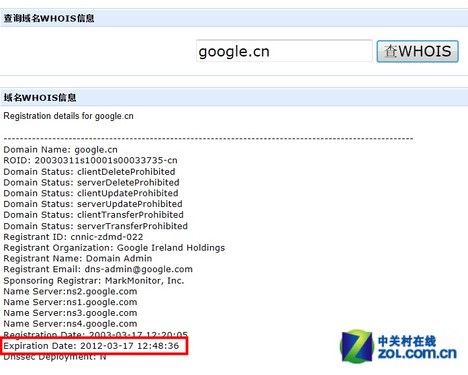
When Google stopped censoring search result in 2010 and left mainland China to set up in Hong Kong, Google’s ICP renewal by the Chinese government looked doubtful. But to the surprise of many, in July 2010 its licence was successfully renewed. This year, after Google’s announcement, Chinese journalists looked at WHOIS, a Chinese website for checking domain name information noticed that the licence has been extended to March 17 2012.
Experts in China, particularly state media commentators, suggest it is likely Google managed to wrangle this renewal through some sort of compromise. International Finance News, a newspaper run by the state mouthpiece the People’s Daily, suggested this is a sure sign that Google does not want to leave the biggest internet market in the world, and was willing to compromise. According to the local technology provisions issued on 26 August 2011, foreign companies cannot evade censorship by any method, without their government contract being terminated.
In another development, today Google launched Google Shihui, a group buying discount site under its Chinese platform Google.cn. Mark Natkin, managing director of Beijing-based consulting firm Marbridge was quoted in PC World saying that “[Shihui is] a fairly safe neutral area of business in which Google can participate without risking as much.” But Google’s insistence on staying in the Chinese market will mean that it will face continued, and possibly tougher, censorship from the government in the future.
 Cooperation between the communications industry and governments creates unprecedented opportunities for surveillance. Let’s not repeat the mistakes of the past and allow companies to assume that users are uninterested in what happens to their data, urge Gus Hosein and Eric King of Privacy International
(more…)
The theft of hundreds of Gmail account passwords last week by Chinese hackers from Jinan city in Shandong province left many of us feeling vulnerable. But there are ways in which to avoid becoming the next victim of a phishing scam.
The official Google blog illustrates how phishing scams work. One post warns against clicking on suspicious links in e-mails:
Always be cautious when clicking on links appearing in instant messages and emails, or when asked to share personal information like passwords online.
If you should accidentally click on such a link, you may be redirected to a log-in page. The security blog, Contagio provides an example of the kind of login page that appears as part of the phishing scam.
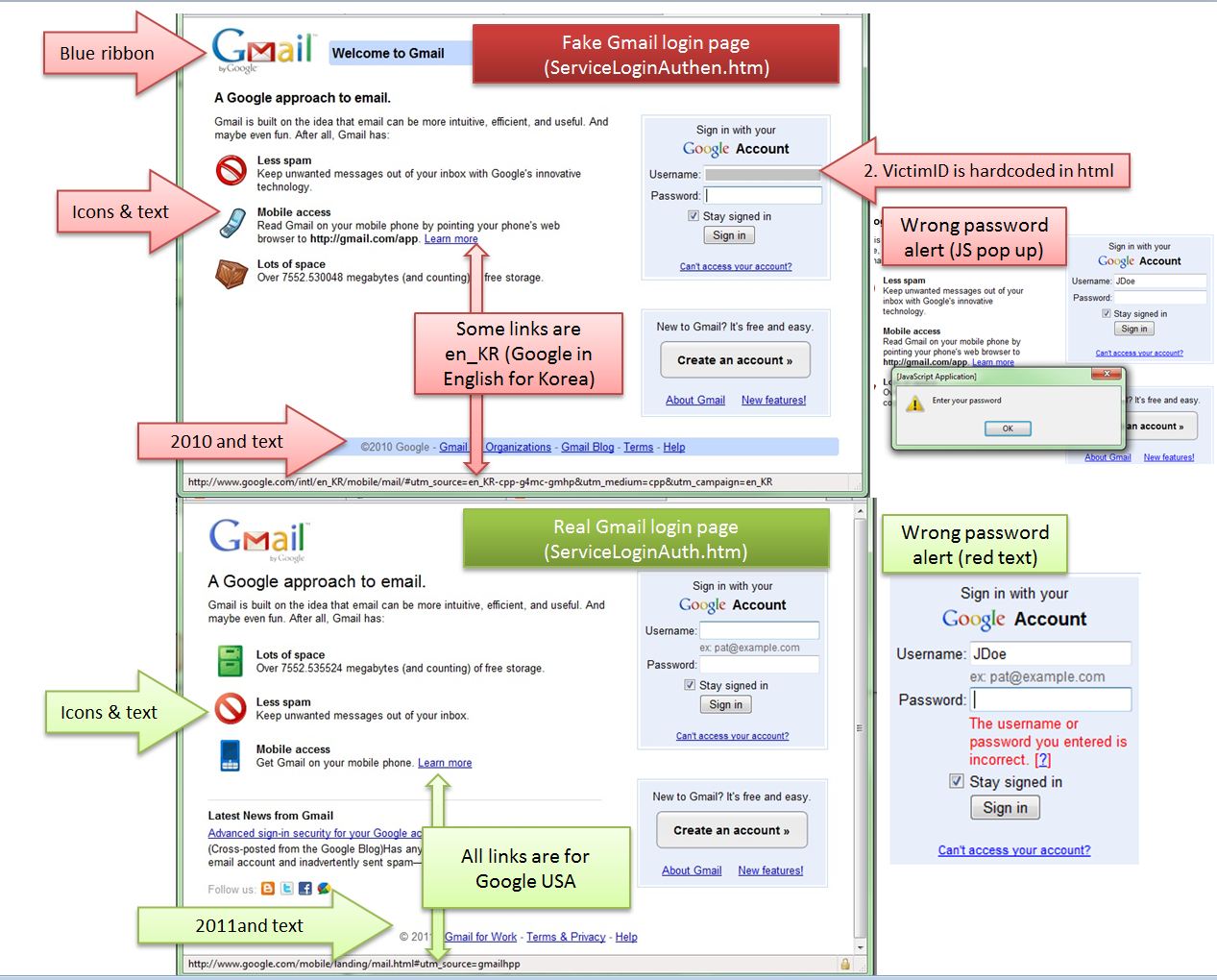
The distinction between “real” and “fake” log-in pages is actually quite clear. Legitimate sites indicate which country the links belong to and the year in which the text first appeared.
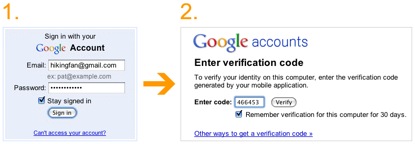
Up until this point, the user is safe. But once the user enters his information in the fake log-in page, it is shared with the hackers who can then set up forwarding accounts in the hacked account to further spread the scam. Further, all mail received by that account is sent to a separate inbox set up by the hackers.
The official Google blog recommends obtaining a verification code set up via your mobile phone, so that you know when you are entering the “real” Google login page.
Also, Google encourages users to check under the “Forwarding and POP/IMAP” option in their e-mail accounts. If an unknown email address is spotted, then the account has been hacked.