5 Apr 2018 | Awards, Fellowship, Fellowship 2018, News
[vc_row][vc_column][vc_video link=”https://youtu.be/qqxJndjCWmg”][vc_column_text]
Launched in 2016, Habari RDC is a collective of more than 100 young Congolese bloggers and web activists, who use Facebook, Twitter and YouTube to give voice to the opinions of young people from all over the Democratic Republic of Congo.
The aim of these citizen bloggers is to bear witness to what is happening in every corner of the country, which is plagued by extreme poverty, corruption, and violence.
Congo has been racked by civil war for the last 20 years. According to the International Red Cross, Congo had almost a million new displacements in 2016 because of conflict and armed attacks — the highest in the world.
The population is also overwhelmingly young. Some 64% of the population in Congo are under 24 and 42.2% under 14. Average life expectancy for men is 47 and 51 for women. The country also receives little international coverage. Newspapers within the country are controlled by political factions, and up until now, radio has been the most reliable source of information.
Against this background, Habari RDC is an incredibly ambitious project led by young, digitally savvy and opinionated Congolese men and women with a belief in free expression and non-violence. For the last year, they have been using the internet and all the technology at their disposal to talk about what their country is really like and how they would like it to be.
“We want to create a society in which young people are tolerant of each other. In which young people are not manipulated by politicians for their personal interests, because young people represent hope for the country. In our societies, young people are unfortunately used and set against each other to serve egotistical old people.We fight for human rights and the participation of young people in the running of the country. We dream of a young president who will work for the country and not a young egoist.” Habari creators told Index.
The site posts stories and cartoons about politics, but it also covers football, the arts and subjects such as domestic violence, child exploitation, the female orgasm, and sexual harassment at work. It is funny, angry, modern: a collection of irreverent, young distinctive Congolese voices, demanding to be heard in the world.
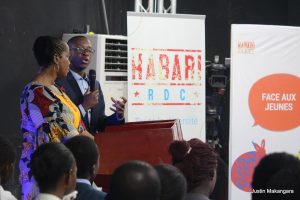
Habari has grown and expanded into an established blogging site and source of activism during 2017, covering a wide range of social and political issues. One of its achievements was encouraging voter registration in Walikale Territory where, in the past, not only has registration been low, but people have disappeared from the register. This eastern part of the country is also very cut off. Habari wrote an article about this on their blogging site and as a result, they reported, a local MP put pressure on the government. In the end, according to Habari, 290,000 people there were registered to vote, including 140,000 women. They also help individuals – for instance raising the plight of a woman who was raped and rejected by her family. And have reported on the suppression of the internet; and the use of road taxes to arm militias.
On their nomination for the Index Awards, Habari creators said, “This award represents for us two things at once: the great honor of a recognition of the work of 100 young Congolese bloggers from 100 different corners of the DRC who want to change the living conditions of their peers by raising their voices thanks to internet . But this award is also a challenge to do more.”
See the full shortlist for Index on Censorship’s Freedom of Expression Awards 2018 here.[/vc_column_text][/vc_column][/vc_row][vc_row full_width=”stretch_row_content” equal_height=”yes” el_class=”text_white” css=”.vc_custom_1490258749071{background-color: #cb3000 !important;}”][vc_column width=”1/2″][vc_custom_heading text=”Support the Index Fellowship.” font_container=”tag:p|font_size:28|text_align:center” use_theme_fonts=”yes” link=”url:https%3A%2F%2Fwww.indexoncensorship.org%2Fsupport-the-freedom-of-expression-awards%2F|||”][vc_column_text]
By donating to the Freedom of Expression Awards you help us support
individuals and groups at the forefront of tackling censorship.
Find out more
[/vc_column_text][/vc_column][vc_column width=”1/2″ css=”.vc_custom_1521479845471{background-image: url(https://www.indexoncensorship.org/wp-content/uploads/2017/05/2017-awards-fellows-1460×490-2_revised.jpg?id=90090) !important;background-position: center !important;background-repeat: no-repeat !important;background-size: cover !important;}”][/vc_column][/vc_row][vc_row][vc_column][vc_basic_grid post_type=”post” max_items=”4″ element_width=”6″ grid_id=”vc_gid:1522917883563-1453e0af-5b06-2″ taxonomies=”10735″][/vc_column][/vc_row]
5 Apr 2018 | Bahrain, Bahrain Statements, Campaigns -- Featured, Statements
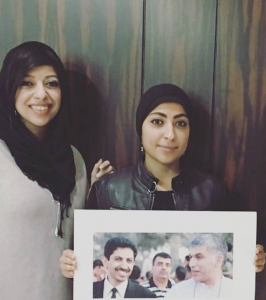
Zainab and Maryam Al-Khawaja
Seven years ago this month, renowned human rights defender and former Index award winner Abdulhadi Al-Khawaja was dragged from his home in Bahrain, tortured, tried in a military court, and sentenced to life in prison for his peaceful role in 2011 protests. Today, 5 April, on Al-Khawaja’s 57th birthday, the undersigned human rights organisations call for his immediate release and for all human rights defenders jailed in Bahrain to be freed.
On Monday 9 April, human rights organisations, friends, and supporters will join two of Al-Khawaja’s daughters, Zainab and Maryam Al-Khawaja, for two events in London:
Protest: Bahraini Embassy, 1pm
Call on the Bahraini Government to release Abdulhadi Al-Khawaja
30 Belgrave Square, Knightsbridge, London SW1X 8QB
Front Line Defenders has been organising monthly protests at the Embassy since January 2018
Conversation with Zainab and Maryam Al-Khawaja, 6:30pm
Hosted by Front Line Defenders and ARTICLE 19
Free Word Centre, 60 Farringdon Road, London, EC1R 3GA
Abdulhadi Al–Khawaja is an internationally-known Bahraini-Danish human rights defender who is the founder and former President of the Bahrain Centre for Human Rights (BCHR), established in 2002, and a Founding Director of the Gulf Centre for Human Rights (GCHR), established in 2011. He was Middle East and North Africa Protection Coordinator for Front Line Defenders until February 2011, when he resigned during the popular movement in Bahrain.
He was violently arrested on 9 April 2011 and charged in connection with his peaceful human rights activities. This was followed by brutal torture, resulting in a broken jaw and requiring several operations, then finally by an unfair trial grossly violating international standards for fair trials and due process. He undertook a number of hunger strikes to protest torture and poor prison conditions.
Al-Khawaja is one of a group of 13 human rights defenders and political activists (the Bahrain 13) sentenced to lengthy prison terms solely for exercising their right to freedom of expression, association and peaceful assembly. Following a grossly unfair trial, Al-Khawaja was sentenced by the National Safety court (a military court) on 22 June 2012 to life in prison, along with seven other members of the Bahrain 13. As the sentence was being pronounced, Al-Khawaja raised his fist saying: “We will continue on the path of peaceful resistance.”
The current situation in Bahrain is dire. The vast majority of human rights defenders are in jail, in exile, under travel ban, or enduring severe threats and intimidation as a result of their peaceful work. Dozens have been abused and tortured. International NGOs and journalists have been prevented from visiting Bahrain to document the government’s ongoing human rights abuses.
At the same time, Bahrain continues to host events such as the Formula One 2018 Gulf Air Bahrain Grand Prix from 06 to 08 April, during which time any protests are sure to be met with reprisals.
Just two days ahead of the Formula One, on 04 April 2018 at 02am, Lars Aslan Rasmussen, a Danish Member of Parliament, and Brian Dooley, GCHR Advisory Board member, arrived in Bahrain in an attempt to visit Al-Khawaja in prison. They were refused entry on the basis that they posed a “security risk” and deported.
We the undersigned call on the authorities in Bahrain to:
- Immediately and unconditionally free Abdulhadi Al-Khawaja and all other human rights defenders from prison;
- Provide proper access to medical care and sanitary conditions in prison;
- Allow Abdulhadi Al-Khawaja and all prisoners proper access to families;
- Allow international NGOs and journalists free access to Bahrain, including for the purposes of visiting detained human rights defenders; and
- Guarantee in all circumstances that human rights defenders in Bahrain are able to carry out their legitimate activities without fear of reprisals and free of all restrictions including judicial harassment.
Signed by:
Americans for Democracy & Human Rights in Bahrain (ADHRB)
Arabic Network for Human Rights Information (ANHRI)
Bahrain Center for Human Rights (BCHR)
Bahrain Institute for Rights and Democracy (BIRD)
English PEN
European Center for Democracy and Human Rights (ECDHR)
FIDH, under the Observatory for the Protection of Human Rights Defenders
Front Line Defenders
Gulf Centre for Human Rights (GCHR)
IFEX
Index on Censorship
PEN International
World Organisation Against Torture (OMCT), under the Observatory for the Protection of Human Rights Defenders
4 Apr 2018 | Magazine, Magazine Contents, Volume 47.01 Spring 2018
[vc_row][vc_column][vc_custom_heading text=”With contributions from Omar Mohammed, Mahvash Sabet, Simon Callow and Lucy Worsley, as well as interviews with Neil Oliver, Barry Humphries and Abbad Yahya”][/vc_column][/vc_row][vc_row][vc_column][vc_column_text]
The spring 2018 issue of Index on Censorship magazine takes a special look at how governments and other powers across the globe are manipulating history for their own ends.
In this issue, we examine the various ways and areas where historical narratives are being changed, including a Q&A with Chinese and Japanese people on what they were taught about the Nanjing massacre at school; the historian known as Mosul Eye gives a special insight into his struggle documenting what Isis were trying to destroy; and Raymond Joseph takes a look at how South Africa’s government is erasing those who fought against apartheid.
The issue features interviews with historians Margaret MacMillan and Neil Oliver, and a piece addressing who really had free speech in the Tudor Court from Lucy Worsley.
[/vc_column_text][/vc_column][/vc_row][vc_row][vc_column][vc_single_image image=”99222″ img_size=”full”][/vc_column][/vc_row][vc_row][vc_column][vc_column_text]
We also take a look at how victims of the Franco regime in Spain may finally be put to rest in Silvia Nortes’ article; Irene Caselli explores how a new law in Colombia making history compulsory in school will be implemented after decades of conflict; and Andrei Aliaksandrau explains how Ukraine and Belarus approach their Soviet past.
The special report includes articles discussing how Turkey is discussing – or not – the Armenian genocide, while Poland passes a law to make talking about the Holocaust in certain ways illegal.
Outside the special report, Barry Humphries aka Dame Edna talks about his new show featuring banned music from the Weimar Republic and comedian Mark Thomas discusses breaking taboos with theatre in a Palestinian refugee camp.
Finally, we have an exclusive short story by author Christie Watson; an extract from Palestinian author Abbad Yahya’s latest book; and a poem from award-winning poet Mahvash Sabet.
[/vc_column_text][/vc_column][vc_column][/vc_column][/vc_row][vc_row][vc_column][vc_custom_heading text=”Special report: The abuse of history “][vc_column_text]
A date (not) to forget, by Louisa Lim: The author on why her book about Tiananmen would be well-nigh impossible to research today
Who controls the past controls the future…, by Sally Gimson: Fall in line or be in the firing line is the message historian are receiving from governments around the world
Another country, by Luka Ostojić: One hundred years after the creation of Yugoslavia, there are few signs it ever existed in Croatia. Why?
No comfort in the truth, by Annemarie Luck: It’s the episode of history Japan would rather forget. Instead comfort women are back in the news
Unleashing the past, by Kaya Genç: Freedom to publish on the World War I massacre of Turkish Armenians is fragile and threatened
Stripsearch, by Martin Rowson: Mister History is here to teach you what really happened
Tracing a not too dissident past, by Irene Caselli: As Cubans prepare for a post-Castro era, a digital museum explores the nation’s rebellious history
Lessons in bias, by Margaret MacMillan, Neil Oliver, Lucy Worsley, Charles van Onselen, Ed Keazor: Leading historians and presenters discuss the black holes of the historical universe
Projecting Poland and its past, by Konstanty Gebert: Poland wants you to talk about the “Polocaust”
Battle lines, by Hannah Leung and Matthew Hernon: One battle, two countries and a whole lot of opinions. We talk to people in China and Japan about what they learnt at school about the Nanjing massacre
The empire strikes back, by Andrei Aliaksandrau: Ukraine and Belarus approach their former Soviet status in opposite ways. Plus Stephen Komarnyckyj on why Ukraine needs to not cherry-pick its past
Staging dissent, by Simon Callow: When a British prime minister was not amused by satire, theatre censorship followed. We revisit plays that riled him, 50 years after the abolition of the state censor
Eye of the storm, by Omar Mohammed: The historian known as Mosul Eye on documenting what Isis were trying to destroy
Desert defenders, by Lucia He: An 1870s battle in Argentina saw the murder of thousands of its indigenous people. But that history is being glossed over by the current government
Buried treasures, by David Anderson: Britain’s historians are struggling to access essential archives. Is this down to government inefficiency or something more sinister?
Masters of none, by Bernt Hagtvet: Post-war Germany sets an example of how history can be “mastered”. Poland and Hungary could learn from it
Naming history’s forgotten fighters, by Raymond Joseph: South Africa’s government is setting out to forget some of the alliance who fought against apartheid. Some of them remain in prison
Colombia’s new history test, by Irene Caselli: A new law is making history compulsory in Colombia’s schools. But with most people affected by decades of conflict, will this topic be too hot to handle?
Breaking from the chains of the past, by Audra Diptee: Recounting Caribbean history accurately is hard when many of the documents have been destroyed
Rebels show royal streak, by Layli Foroudi: Some of the Iranian protesters at recent demonstrations held up photos of the former shah. Why?
Checking the history bubble, by Mark Frary: Historians will have to use social media as an essential tool in future research. How will they decide if its information is unreliable or wrong?
Franco’s ghosts, by Silvia Nortes: Many bodies of those killed under Franco’s regime have yet to be recovered and buried. A new movement is making more information public about the period
[/vc_column_text][/vc_column][/vc_row][vc_row][vc_column][vc_custom_heading text=”Column”][vc_column_text]
Global view, by Jodie Ginsberg: If we don’t support those whose views we dislike as much as those whose views we do, we risk losing free speech for all
[/vc_column_text][/vc_column][/vc_row][vc_row][vc_column][vc_custom_heading text=”In focus”][vc_column_text]
How gags can remove gags, by Tracey Bagshaw: Comedian Mark Thomas discusses the taboos about stand-up he encountered in a refugee camp in Palestine
Behind our silence, by Laura Silvia Battaglia: Refugees feel that they are not allowed to give their views in public in case they upset their new nation, they tell our interviewer
Something wicked this way comes, by Abigail Frymann Rouch: They were banned by the Nazis and now they’re back. An interview with Barry Humphries on his forthcoming Weimar Republic cabaret
Fake news: the global silencer, by Caroline Lees: The term has become a useful weapon in the dictator’s toolkit against the media. Just look at the Philippines
The muzzled truth, by Michael Vatikiotis: The media in south-east Asia face threats from many different angles. It’s hard to report openly, though some try against the odds
Carving out a space for free speech, by Kirsten Han: As journalists in Singapore avoid controversial topics, a new site launches to tackle these
[/vc_column_text][/vc_column][/vc_row][vc_row][vc_column][vc_custom_heading text=”Culture”][vc_column_text]
Just hurting, not speaking, by Christie Watson: Rachael Jolley interviews the author about her forthcoming book, why old people are today’s silent community and introduces a short story written exclusively for the magazine
Ban and backlash create a bestseller, by Abbad Yahya: The bestselling Palestinian author talks to Jemimah Steinfeld about why a joke on Yasser Arafat put his life at risk. Also an extract from his latest book, translated into English for the first time
Ultimate escapism, by Mahvesh Sabet: The award-winning poet speaks to Layli Foroudi about fighting adversity in prison. Plus, a poem of Sabet’s published in English for the first time
[/vc_column_text][/vc_column][/vc_row][vc_row][vc_column][vc_custom_heading text=”Column”][vc_column_text]
Index around the world, by Danyaal Yasin: Research from Mapping Media Freedom details threats against journalists across Europe
[/vc_column_text][/vc_column][/vc_row][vc_row][vc_column][vc_custom_heading text=”Endnote”][vc_column_text]
Frightening state, by Jemimah Steinfeld: States are increasing the use of kidnapping to frighten journalists into not reporting stories
[/vc_column_text][/vc_column][/vc_row][vc_row content_placement=”top”][vc_column width=”1/3″][vc_custom_heading text=”The Abuse of History” font_container=”tag:p|font_size:24|text_align:left” link=”url:https%3A%2F%2Fwww.indexoncensorship.org%2F2017%2F12%2Fwhat-price-protest%2F%20|||”][vc_column_text]The spring 2018 issue of Index on Censorship magazine takes a special look at how governments and other powers across the globe are manipulating history for their own ends
With: Simon Callow, Louisa Lim, Omar Mohammed [/vc_column_text][/vc_column][vc_column width=”1/3″][vc_single_image image=”99222″ img_size=”medium” alignment=”center” onclick=”custom_link” link=”https://www.indexoncensorship.org/2017/12/what-price-protest/”][/vc_column][vc_column width=”1/3″ css=”.vc_custom_1481888488328{padding-bottom: 50px !important;}”][vc_custom_heading text=”Subscribe” font_container=”tag:p|font_size:24|text_align:left” link=”url:https%3A%2F%2Fwww.indexoncensorship.org%2Fsubscribe%2F|||”][vc_column_text]In print, online. In your mailbox, on your iPad.
Subscription options from £18 or just £1.49 in the App Store for a digital issue.
Every subscriber helps support Index on Censorship’s projects around the world.
 SUBSCRIBE NOW[/vc_column_text][/vc_column][/vc_row]
4 Apr 2018 | Magazine, Magazine Editions, Volume 47.01 Spring 2018
Actor
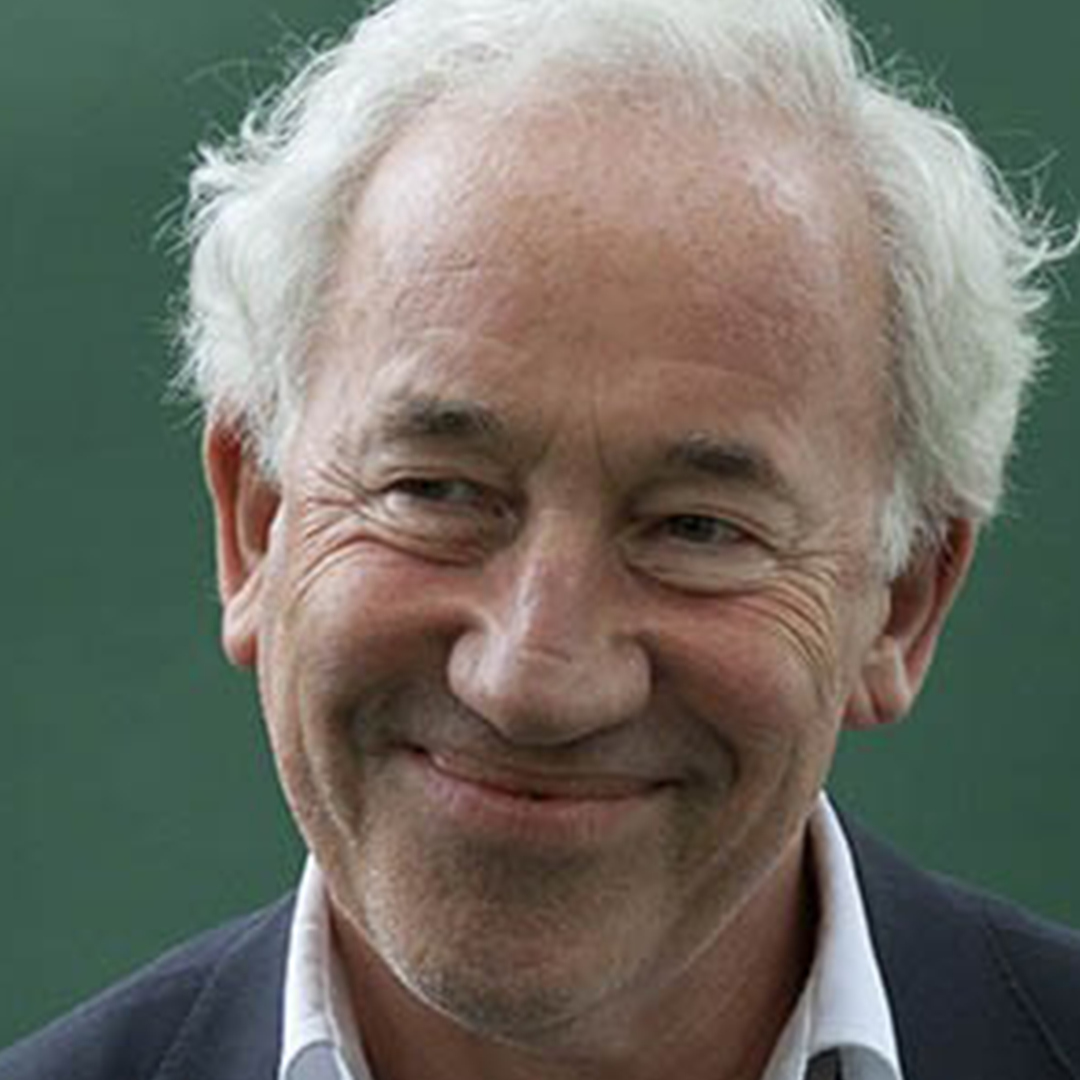
Simon Callow CBE is an English actor, musician, writer, and theatre director, famous for his film roles in Four Weddings and a Funeral (1994), Shakespeare in Love (1998) and A Room with a View (1985).
Journalist
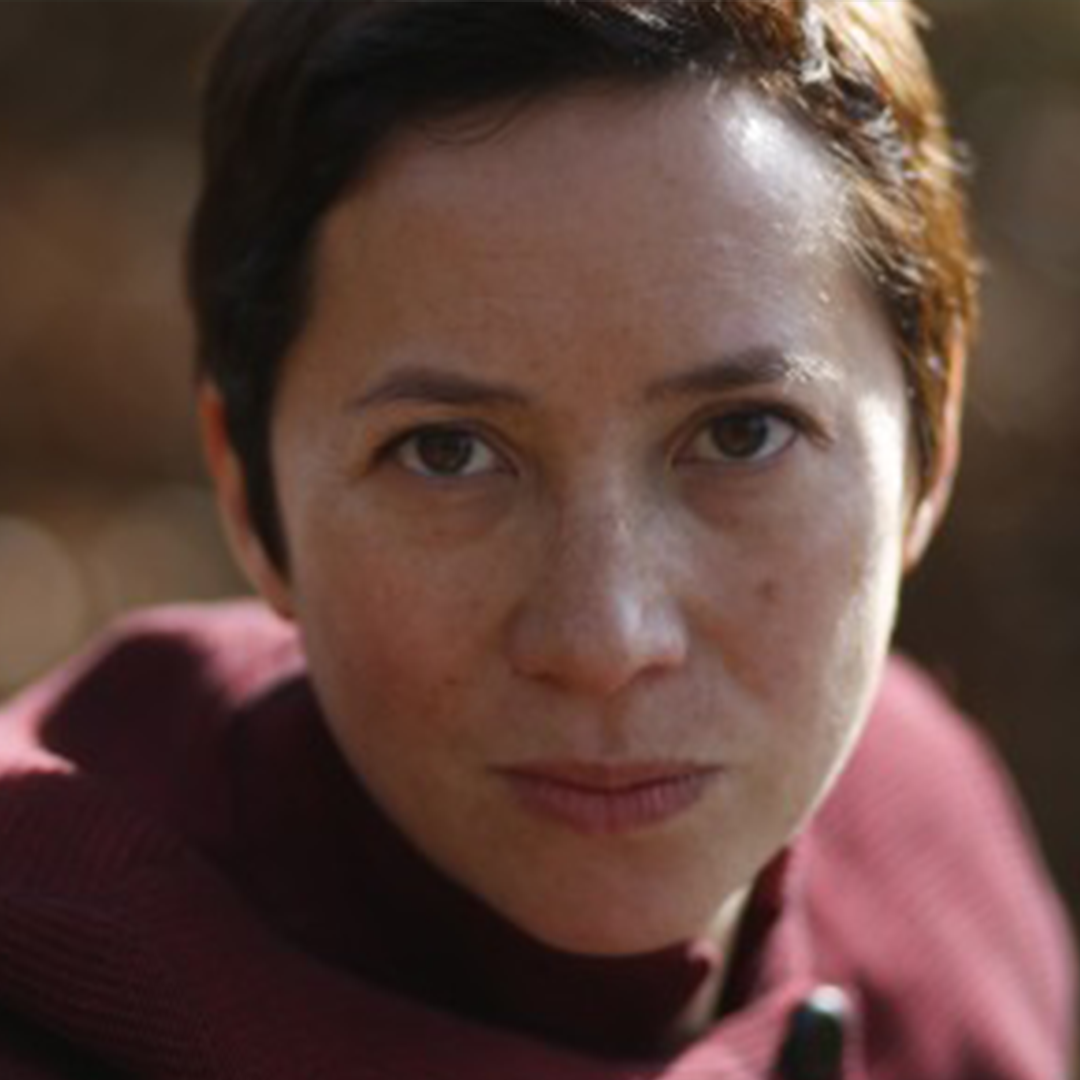
Louisa Lim is an award-winning journalist who has reported from China for a decade, most recently for National Public Radio. Previously she was the BBC’s Beijing Correspondent.
Television presenter
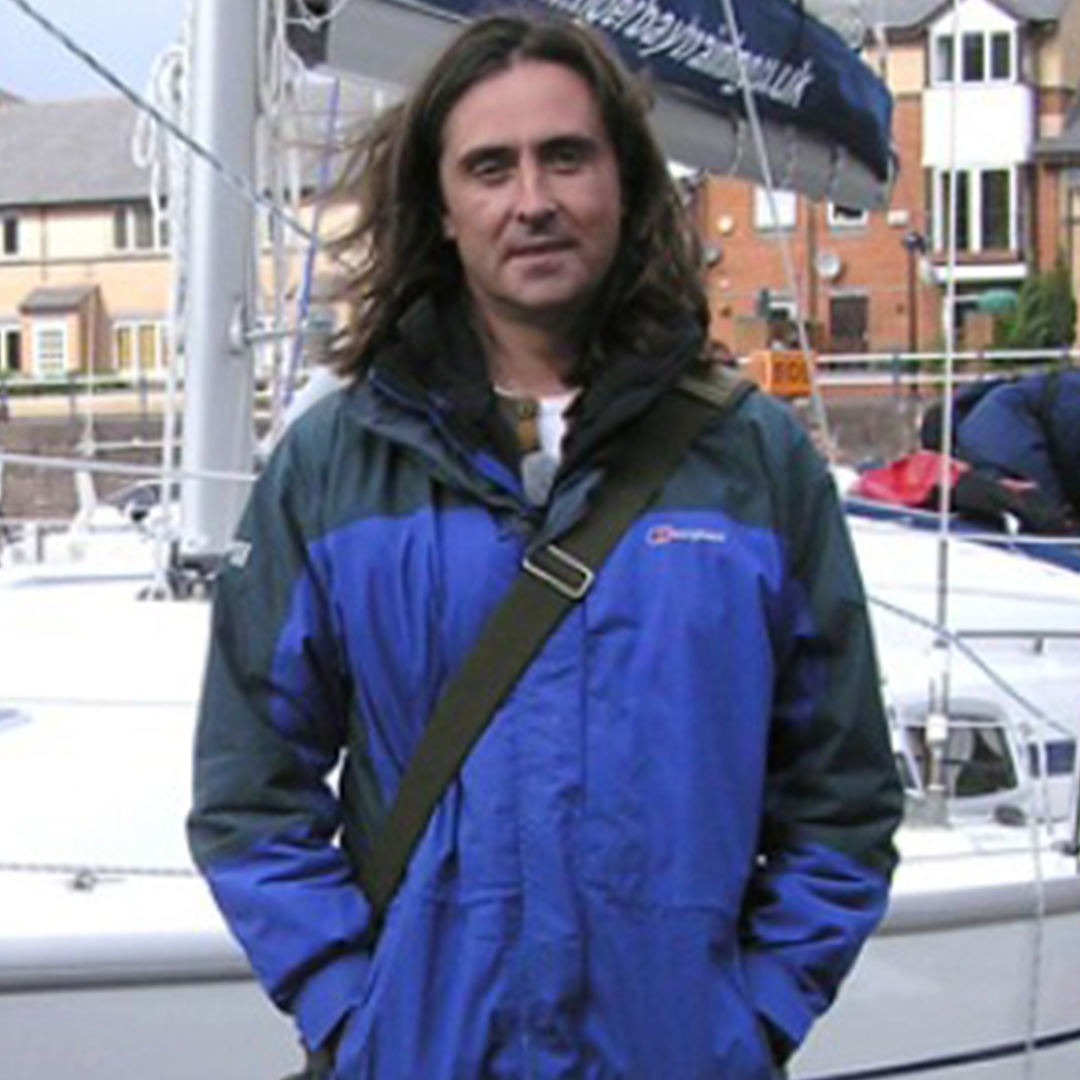
Neil Oliver is a British archaeologist, historian, author and broadcaster who is best known as a presenter of several BBC historical and archaeological documentary series.