Towards the end of last year, when I was editing our magazine about Gen Z revolts around the world, I asked around about India. Was a Gen Z revolt likely there? After all, young people had toppled governments in neighbouring Bangladesh, Sri Lanka and Nepal. The consensus was that despite the increasing authoritarianism of Prime Minister Narendra Modi and his government, India was on a different trajectory to its much smaller neighbours. The young middle class were largely apolitical. Earlier protests had simply “petered out” because the country was so diverse no one could agree with one another.
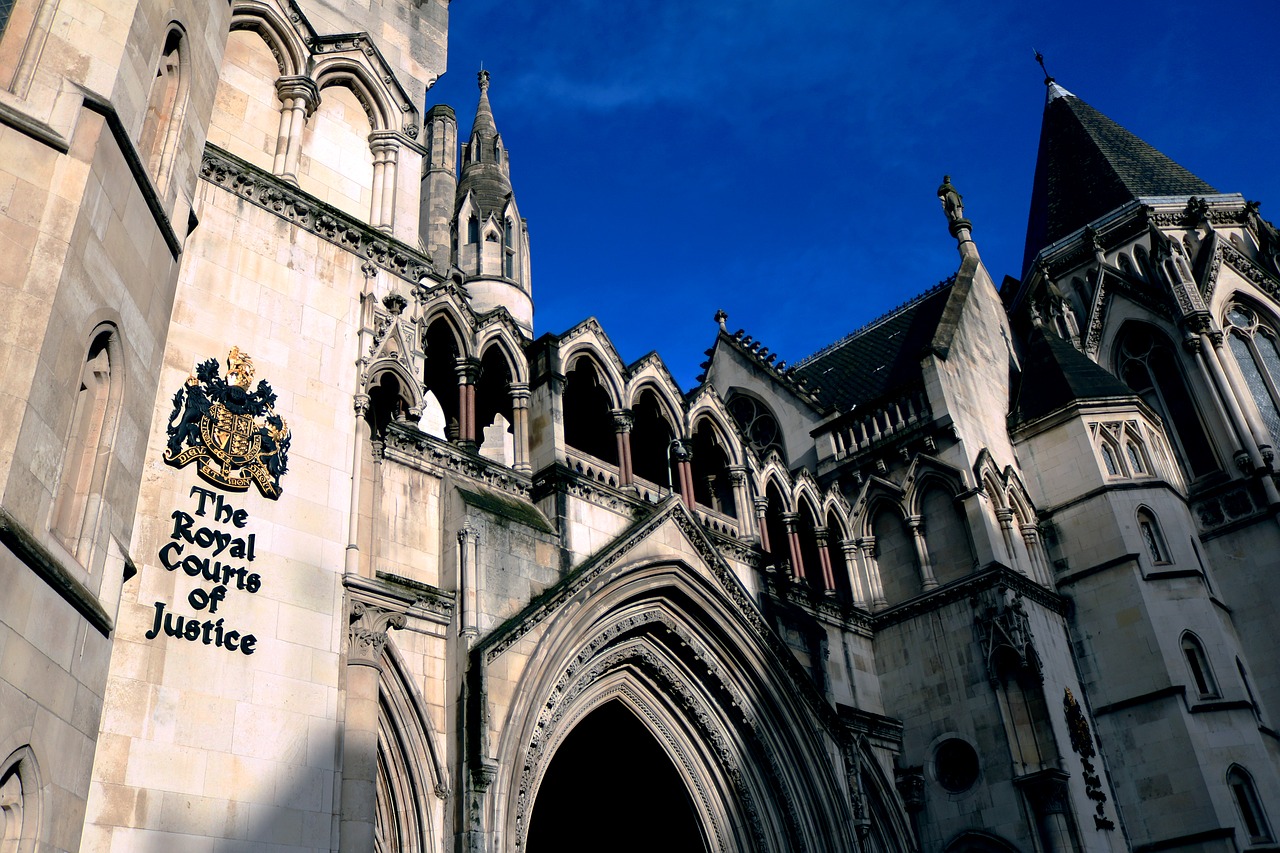
Eight months later, it turns out there is something which unites young people – the understanding that they are despised by the political elites. The Cockroach Janta Party was formed after a satirical call on social media by student Abhijeet Dipke, a recent graduate from a US university who heard the chief justice of India comparing young unemployed people to “parasites” and “cockroaches”. What would happen, he wrote on Instagram, if all cockroaches came together?
It was a call that resonated. Within days of being formed the party’s Instagram account had 22 million followers – far more than the nine million following Modi’s BJP.
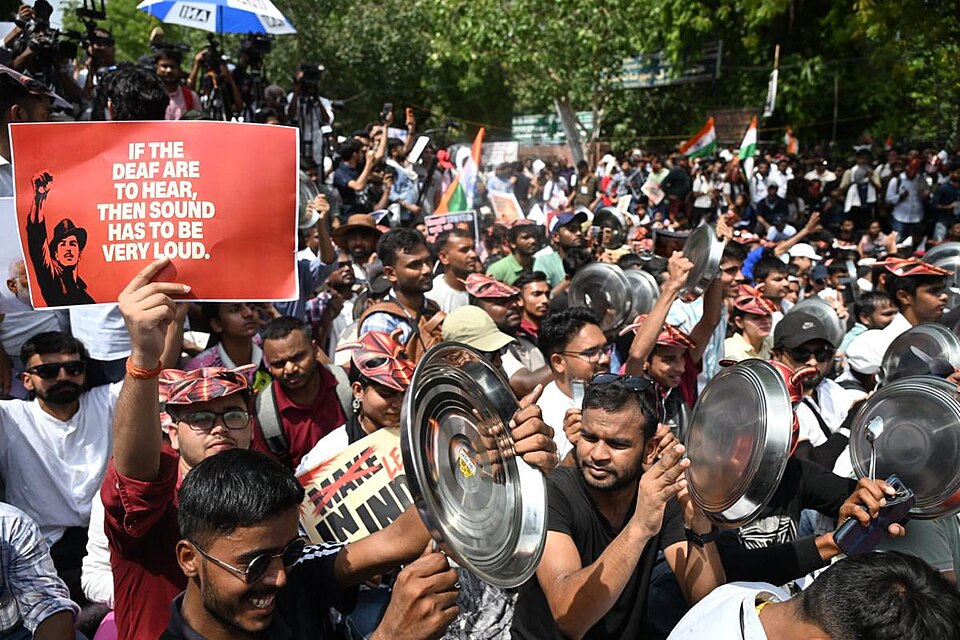
The authorities tried to strangle the movement at birth, and the Cockroach Janta Party‘s X account was closed down pretty quickly by Elon Musk’s platform after anonymous complaints. But that didn’t stop the momentum and soon the anger was focused on the leak of medical exam questions, meaning millions would have to do expensive retakes. The issue was emblematic of wider problems of graduate unemployment reported to be at 40% for under 25s. In the last week we have seen thousands of Gen Z demonstrators taking to the streets calling for the resignation of Union Education Minister Dharmendra Pradhan. Even the India opposition leader Rahul Gandhi (who has not been popular with young people) has tried to get in on the act and was briefly arrested after joining a sit-in in Delhi.
Other disturbing responses have included violence used against some protesters, the prohibition of protests near the parliament building in Delhi and the use of internet shutdowns being deployed in areas where demonstrations were planned to start on Monday.
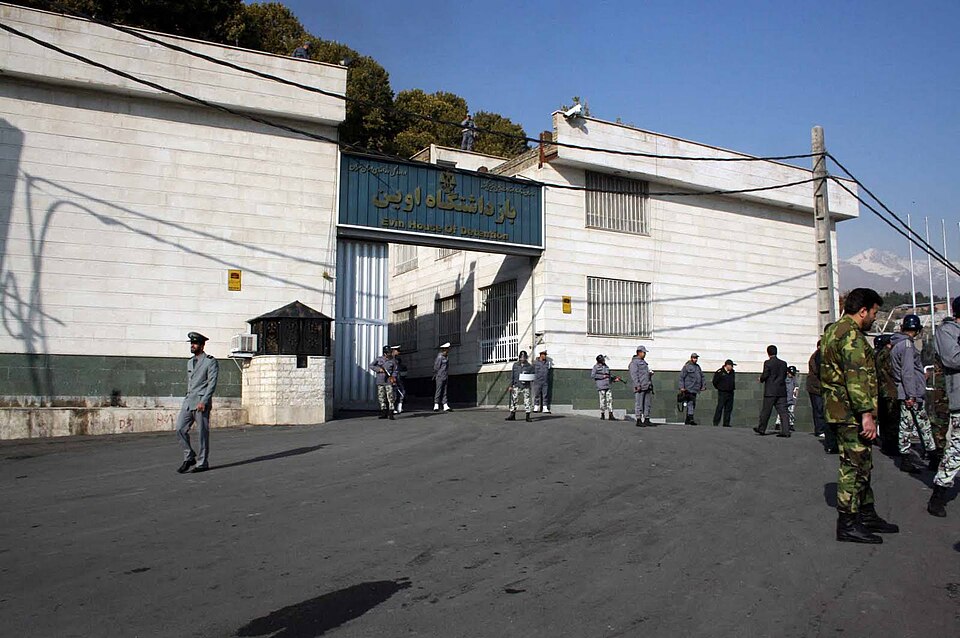
Internet freedom campaigners in India, including the Software Freedom Law Centre (SFLC), have condemned the targeting of the protest with an internet shutdown as setting “a dangerous precedent” as it “strikes at the heart of the fundamental right to freedom of speech and expression”. They also are demanding to know why no order was issued to authorise the blackout, seemingly in violation of the law and not in accordance with the Supreme Court’s ruling on this issue. India has long turned to internet shutdowns for the flimsiest of excuses. According to Access Now India was the world leader for shutting down the internet for six years in a row ending in 2023 (ahead of places like Iran, Russia and Myanmar). The SFLC warn that together with reports of social media content about the protest being “shadow banned”, as well as the closure of roads and metro stations, the government seems to be trying to disrupt protest rather than guarantee public safety.
None of this is deterring Cockroach Janta Party supporters. If anything, it seems to be encouraging protesters to turn out. And the party’s popularity carries with it a message; globally connected young people are coming together and they are forces to be reckoned with.