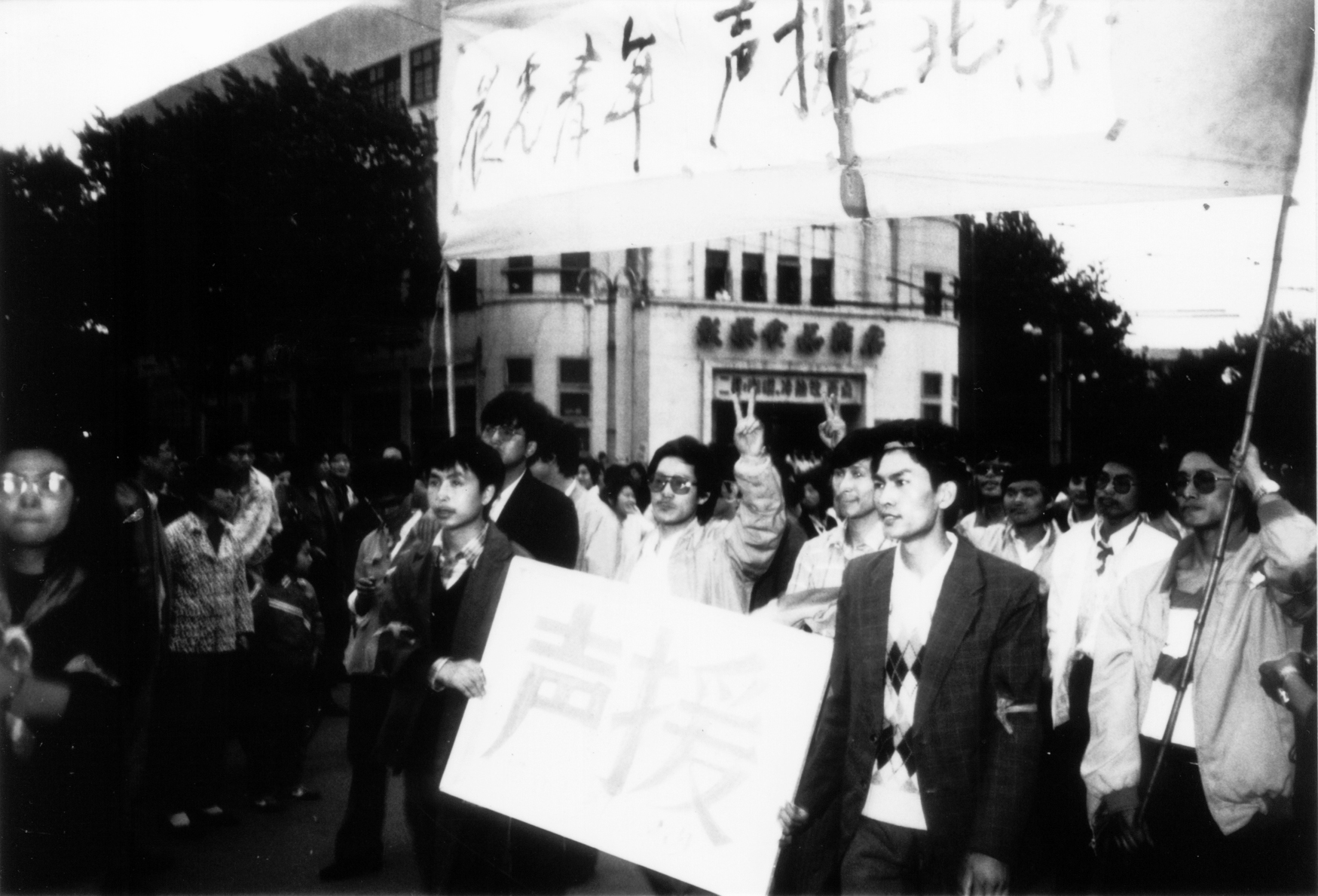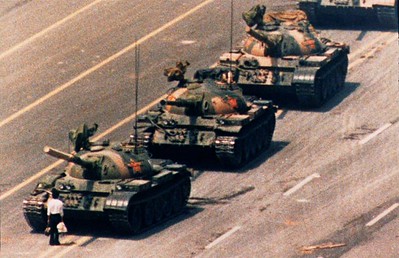
Could it be harder to commemorate the victims of the Tiananmen Square massacre yesterday – on its 37th anniversary – than last year when it was already incredibly hard? Apparently yes, and this applies to people outside China too.
In Beijing itself, members of the Tiananmen Mothers group have reportedly been barred from visiting a cemetery where their children are buried in what is believed to be the first time in over three decades such commemorations have been stopped. In a statement published this week, the group said families were informed they’d not be allowed to hold any acts of remembrance at Wan’an Cemetery on 4 June. This feels supremely cruel and petty, but I guess I shouldn’t expect anything less from a government that commanded its troops to slay its own people.
Commemorations beyond this are, of course, strictly forbidden within China. You are not going to see anything in Tiananmen Square. Indeed, and I’ve firsthand experience of this, it’s hard to get close to the square on 3 and 4 June.
It used to be the case that people in Hong Kong could commemorate it. In 2014, a museum dedicated to the massacre opened. That, though, was closed years back. And as for the candles that were lit in Hong Kong’s Victoria Park year on year, they are no more, replaced instead by a… patriotic food festival.
Even outside the Chinese Communist Party’s direct control it’s now more challenging to remember. The June Fourth Memorial Museum in Los Angeles was broken into and vandalised over the weekend. The museum was opened last June by Chinese dissidents and survivors, including student leader Wang Dan. This was clearly not some random act of destruction carried out by bored teens, given Beijing’s mastery of transnational repression and the date it happened.
The CCP may very well have the last laugh. Anyone below the age of 30 growing up in China today likely hasn’t a clue that the words Tiananmen Square don’t just refer to the central Beijing landmark. Yes, you’ll see creative memes and puns coming out of the country as some try to bypass the censors. It’s just that they’re marginal and ultimately no match for the might of Beijing.
All of which makes it more important to do what you can to remember. I personally like to revisit the Hunger Strike Declaration that we printed at the time. I like to look at the image of two people dancing in the square. Both remind me of the movement that came before the massacre. Yesterday, we also published a reflective piece from Lijia Zhang, the acclaimed Chinese writer who was part of the protests. Finally, we’ve lit candles ourselves. It’s a small act of resistance which literally keeps the flame of remembrance alive.