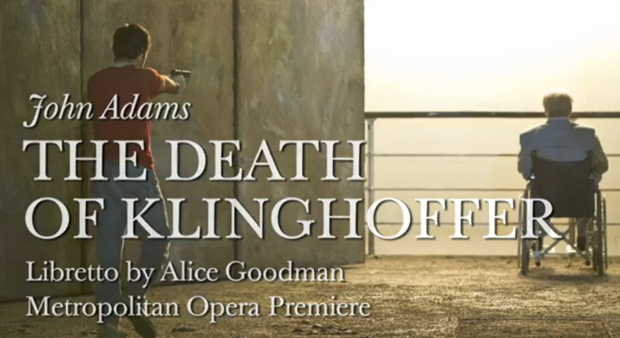
A petition campaign is calling on New York’s Metropolitan Opera to reverse a decision to cancel a simulcast of composer John Adams’ The Death of Klinghoffer.
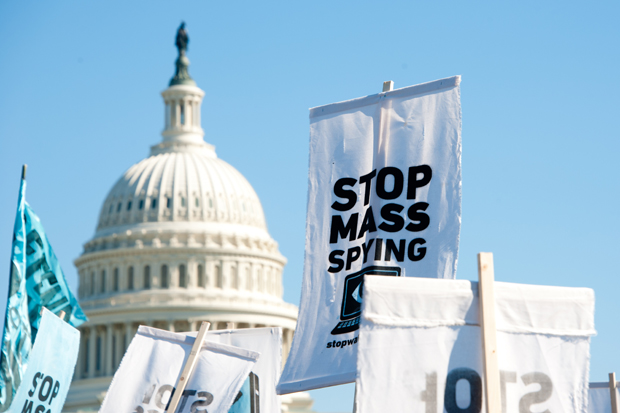
The US Congress has made it clear by passing the USA Freedom Act that compromise is one way of doing nothing, a form of sanctified inertia. Binoy Kampmark writes
In this counterpoint to the Index position on the right to be forgotten, Graham Ginsberg argues that individuals should have the right to request search results be amended
All states, autocratic or otherwise, have made it their business to stifle internet freedoms. They just disagree on how best to do it, Binoy Kampmark writes
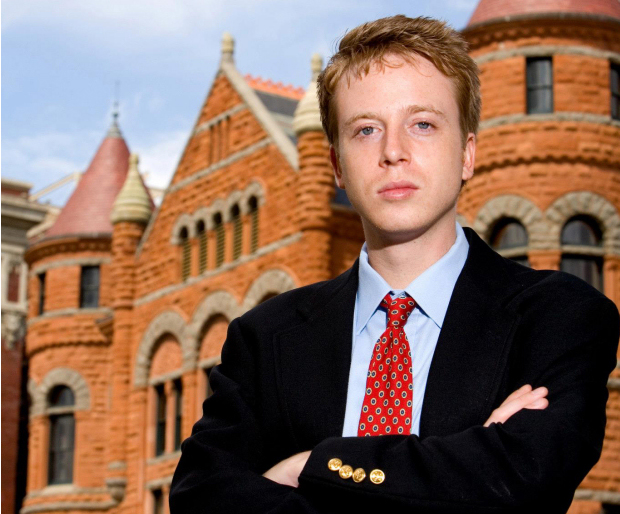
Last Tuesday “hacktivist journo” Barrett Brown pled guilty in a US court after a long-running battle with the FBI. He had reported on a high-profile Anonymous hack as well as posting provocative videos on YouTube baiting FBI officials. Alastair Sloan reports
A fundamental feature of Obama’s reform agenda centres on a greater oversight role regarding surveillance applications assessed by the Foreign Intelligence Surveillance Court (FISC). Binoy Kampmark reports
Chinese fans of American TV have been dealt a serious blow after some of their favorite shows were removed from the country’s main video streaming websites. Jemimah Steinfeld reports on the withdrawal symptoms of the country’s youths
Reforms are on the cards for internet governance, but no one seems to be clear what exactly these will do to the way the web is used. Sentiments of doom and gloom mix with utopian forecasts of freedom, Binoy Kampmark writes
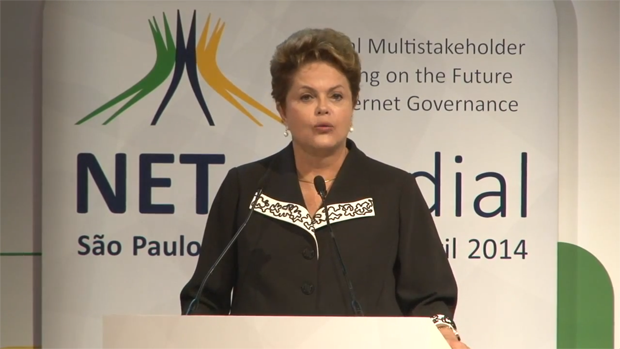
Participants in Brazil’s NETMundial left the meeting with dashed expectations, Simone Marques reports
With secret trade negotiations reportedly at a critical stage, campaigners have mounted a global plan to draw the attention to the role that internet providers would play in preventing the free flow of information. Alastair Sloan reports
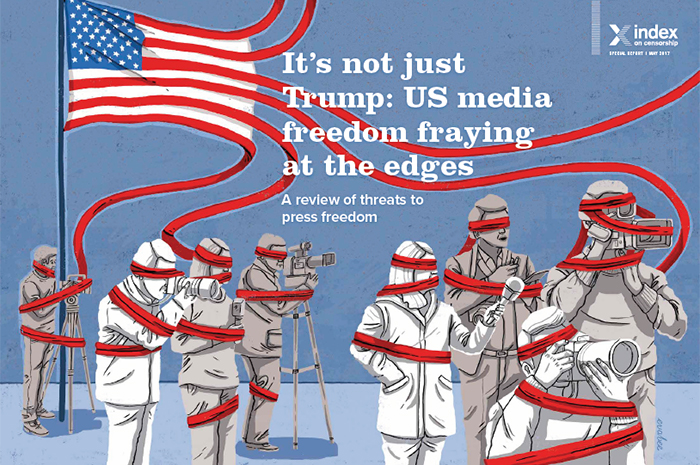
Smears about the media made by US President Donald Trump have obscured a wider problem with press freedom in the United States: namely widespread and low-level animosity that feeds into the everyday working lives of the nation’s journalists, bloggers and media professionals. This study examines documented reports from across the country in the six months leading up to the presidential inauguration and the months after. It clearly shows that threats to US press freedom go well beyond the Oval Office.
“Animosity toward the press comes in many forms. Journalists are targeted in several ways: from social media trolling to harassment by law enforcement to over-the-top public criticism by those in the highest office. The negative atmosphere for journalists is damaging for the public and their right to information,” said Jodie Ginsberg, CEO at Index on Censorship, which documented the cases using an approach undertaken by the organization to monitor press freedom in Europe over the past three years. Learn more.