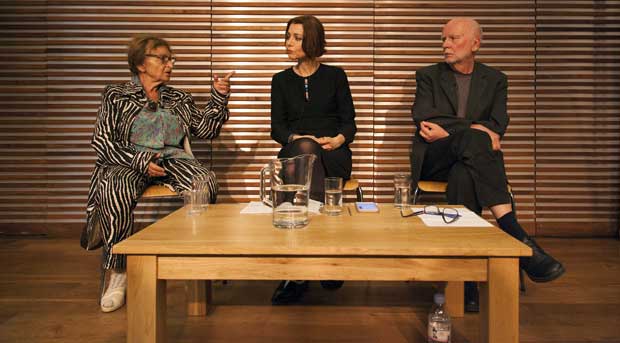
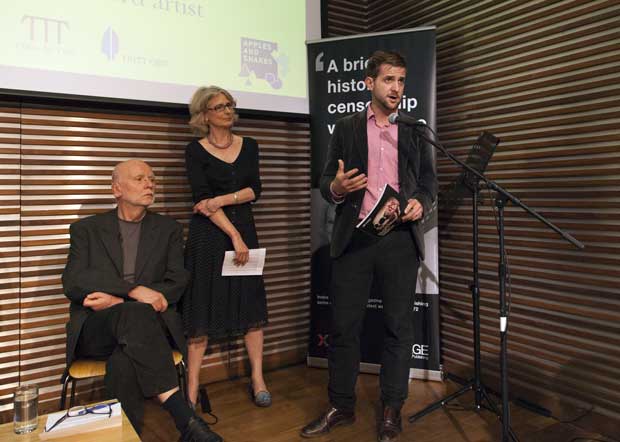
Free Word in partnership with Index on Censorship brought together three major cultural figures from Hungary, Poland and Turkey to compare their stories and ask: is Europe just a place, or a set of values that are rapidly unravelling?
Europe was a bastion of hope for more than a million refugees last year. What brought them? A hunger for safety and security? Dreams of freedom? The draw of liberal democracy with its ideals of free expression, equal opportunity and persecution for none?
But look within our own continent and you will see the cracks. In Hungary, Victor Orban’s administration looks increasingly autocratic. Poland’s new conservative government is making changes to its public media that critics have said amount to a takeover. How can we support neighbours like Turkey in their fight to avoid authoritarianism if we can’t fly the banner for freedom at home?
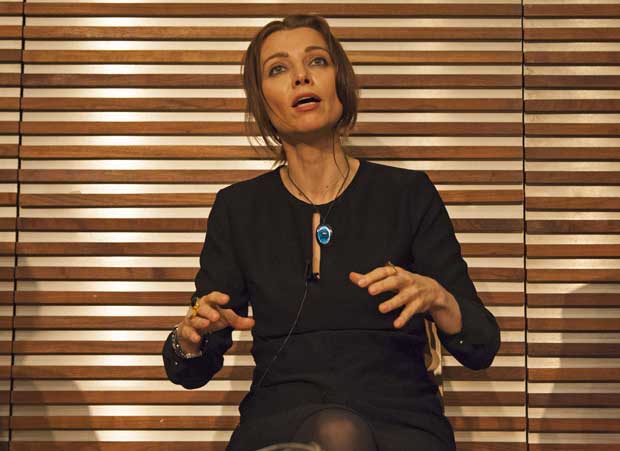
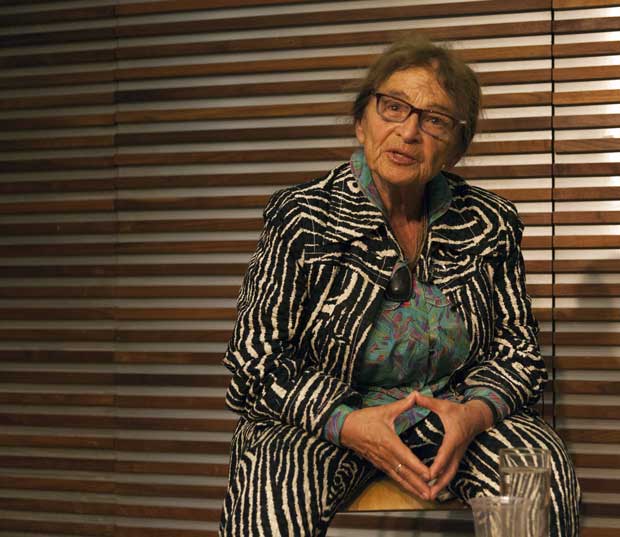
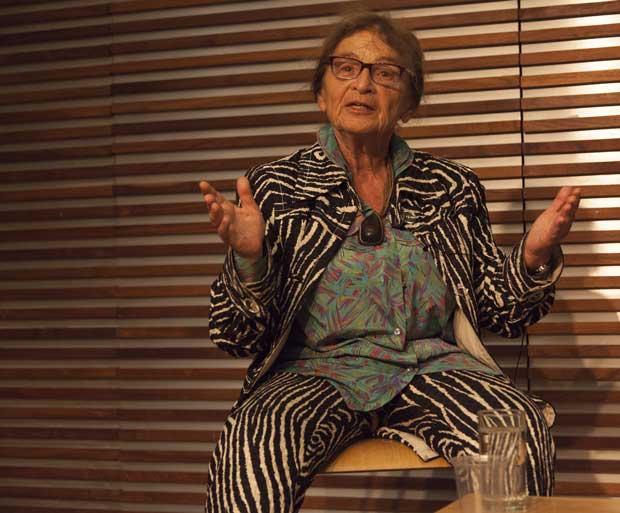
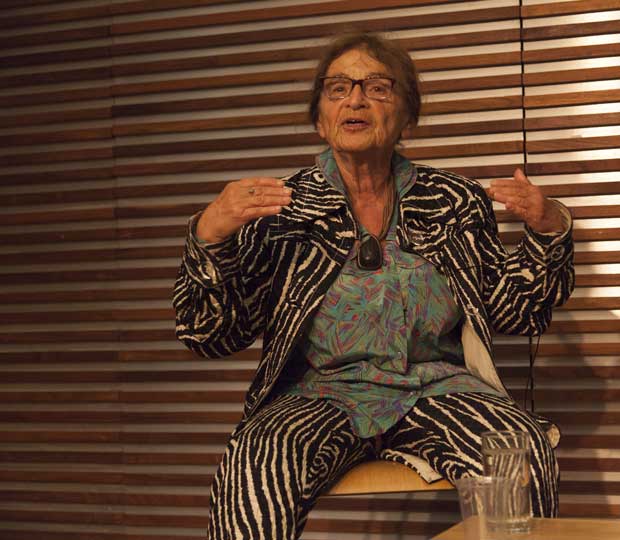
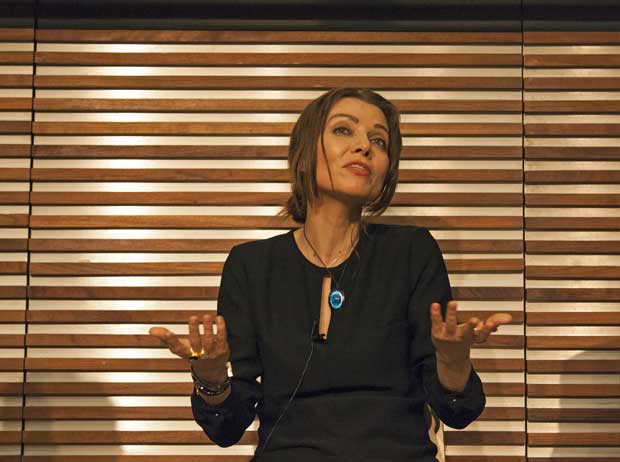
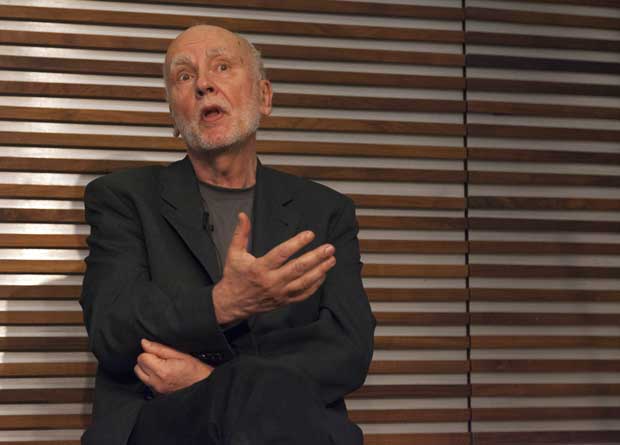
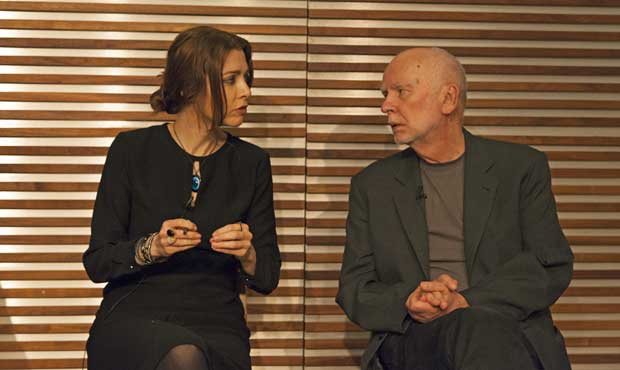
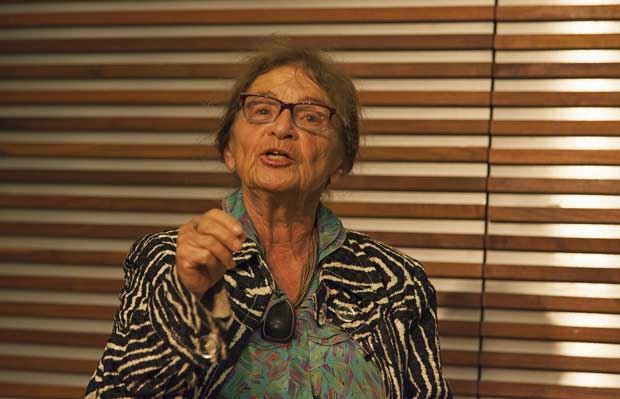
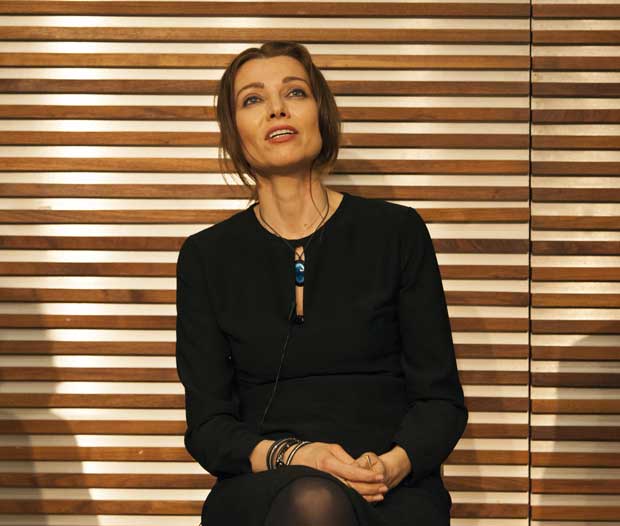
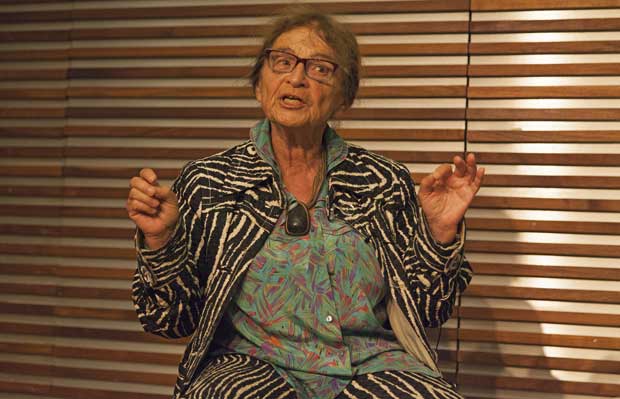
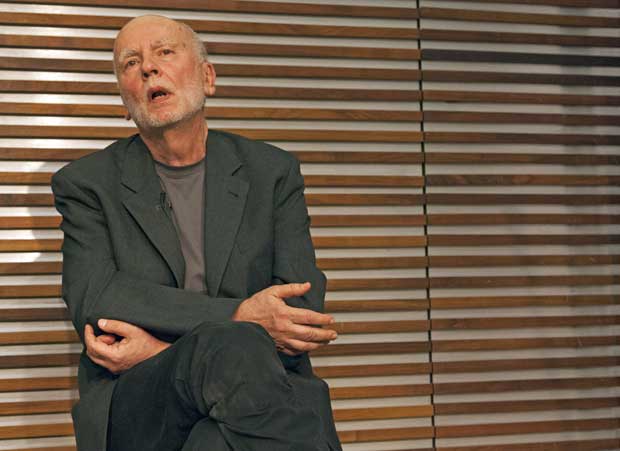
Agnes Heller, Elif Shafak and Adam Zagajewski Photos: Sean Gallagher/Index on Censorship
Poland, Hungary and Turkey come up on Index’s radar far too often at the moment, says @DBetzH, introducing tonight’s panelists #fweurope
— Index on Censorship (@IndexCensorship) June 15, 2016
In Turkey people cite Singapore as example of having economic success without democracy. Says @Elif_Safak#fweurope
— Index on Censorship (@IndexCensorship) June 15, 2016
‘Liberal democracy is majority decision but not majority rule.’ #AgnesHeller#FWEurope
Agnes Heller was born in 1929 and is one of the leading thinkers to come out of the tradition of critical theory. Her broad intellectual range and publications include ethics, philosophical anthropology, political philosophy and a theory of modernity and its culture. Hungarian by birth, she was one of the best-known dissident Marxists in central Europe in the 1960s and 1970s. She has held visiting lectureships all over the world and has been the Hannah Arendt Professor of Philosophy at the New School in New York. She now lives in Budapest and is one of the most popular and outspoken critics of the current regime.
Elif Shafak was born in Strasbourg, France, in 1971. She is an award-winning novelist and the most widely read woman writer in Turkey. Critics have named her as “one of the most distinctive voices in contemporary Turkish and world literature”. Her books have been published in more than 40 countries and she was awarded the honorary distinction of Chevalier of the Order of Arts and Letters. Elif has published thirteen books, nine of which are novels. She writes fiction in both Turkish and English. Elif blends Western and Eastern traditions of storytelling, bringing out the myriad stories of women, minorities, immigrants, subcultures, youth and global souls. Her work draws on diverse cultures and literary traditions, as well as a deep interest in history, philosophy, Sufism, oral culture, and cultural politics. Elif’s writing breaks down categories, clichés, and cultural ghettoes. She also has a keen eye for black humour.
Adam Zagajewski is an award-winning poet, novelist, translator and essayist. Born in Lwow in 1945, he first became well-known as one of the leading poets of the Generation of ‘68’ or the Polish New Wave (Nowa Fala). His poems and essays have been translated into many languages. Among his honors and awards are a fellowship from the Berliner Kunstlerprogramm, the Kurt Tucholsky Prize, a Prix de la Liberté, and a Guggenheim Fellowship. Since 1988, he has served as visiting associate professor of English in the Creative Writing Programme at the University of Houston. In 2010, he was nominated for the Nobel Prize in Literature. Adam is currently co-editor of Zeszyty Literackie (Literary Review). He lives in Krakow.
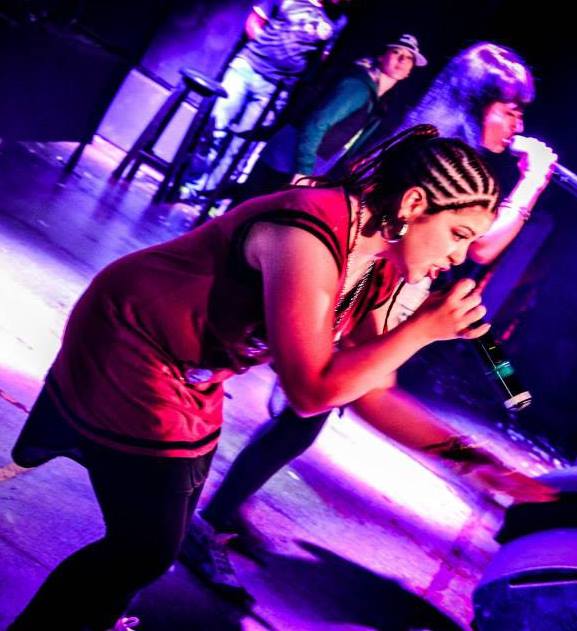
Art has traditionally accompanied political and social movements in Latin America and the turn of the 21st century has seen a resurgence of diverse forms of expression, including hip hop.
“Hip hop has many faces — from the underground scenes to gangster rap — and it allows you to talk about many different things,” says Colombian rapper Luisa Ospina, aka Shhorai. “Many artists may talk about ‘bitches’, drugs and violence, and that’s fine for them, but it’s not for me, especially given the history of violence and conflict in my country.”
Shhorai, an independent hip-hop artist, educator and activist from Colombia’s second-largest city, Medellín, began rapping in 2003 at the age of 13.
“I started recording music at my home studio at 15, influenced by my older brother who is also a rapper,” Shhorai says. She released her debut album Verdades Hostiles in 2011, followed by Doble X: Inicio y Complemento in 2015. She has worked in collaboration with various Colombian artists, including Nkanto MC and Koriotto.
Taking inspiration from female MCs throughout the Americas – from Columbian duo Diana Avella and Lucía Vargas and Venezuala’s Gabylonia to Queen Latifah, famed for fighting misogyny in US hip hop – Shhorai uses her music to explore the structures of gender and class which create disadvantages for so many Colombians. Despite the progress her country has made in the last few decades, many problems remain unresolved. “Women in particular in my country have poor access to decent jobs and education and too many sisters have been affected by violence,” Shhorai said.
“For indigenous women and women who work on the land, it is even worse: they work so hard but are still silent. Can you imagine a society in which so many women have no voice?”
“I was born in a culture which is all the time asking women: ‘Why don’t you wear makeup?’ ‘Why are you so big?’ ‘Why do you eat this?’,” she says. “So I rap a lot about empowering women and becoming more independent because often we don’t trust ourselves or know the inner power we have.”
For every 10 men in hip hop, there is only one woman, explains Shhorai. “So we are naturally at a disadvantage and often feel alone, so we have to work together,” she says. “And while I love feminism, I don’t like hate for men because I recognise that we are together and must fight together.”
Many women — as with many men — in hip hop, come from poor communities, not just in Medellín, but in Colombia’s capital Bogota and other cities like Cali.
There are many sides to Medellín. Foreigners may know it for its troubled history — Pablo Escobar, cocaine and the violence that accompanied them. Other visitors may be more aware of its current status as one of the foremost and growing art and cultural hubs on the planet. The city came out on top of Tel Aviv and New York and was named the world’s most innovative city in 2013.
“Medellín has become a much better city than it was 20 years ago — with many restaurants, a metro system, concerts all the time — but many still don’t see how hard it still is for many people who live here – those who don’t have the resources to go to university, or for the young people who have to fight against a system just to own something,” Shhorai explains. “The city has two very different faces.”
Poor communities and minorities like indigenous people “don’t have options” and often don’t have a say. “I want the world to pay more attention to the poverty because the rich downtown doesn’t need more publicity — it has enough,” Shhorai says.
This is what the rapper aims for in much of her work — whether in music, education or activism — when she talks about the political background and social conditions in her neighbourhood. “In this way, hip hop is for me a kind of liberty and at the same time an expression of love for my community.”
One of the big problems in Colombian society is how in many ways it has turned a blind eye to the problems faced by women and the poor alike. A byproduct of this, inevitably, is marginalised people turning to hip hop and hip-hop culture — from breakdancing, DJing, MCing and graffiti — as places where they can finally be heard.
“Hip hop was born in poor communities in the USA often by those living terrible conditions and I can see they discovered a way of getting together and doing something as a community,” says Shhorai. “This idea filtered back to us in Latin America and we got into hip hop for many of those same reasons, which is why rap music is everywhere in Medellín.”
“But above all, hip hop is an opportunity to be independent, and while it’s difficult, it is possible to create real change through art.”
American academic Alexa Huang explores how Shakespeare’s plays were edited to make them more acceptable to Victorians.
Shakespeare has been used to divert around censorship, “sanitised” and redacted for children, young adults and school use, and even used as a form of protest all over the world. While censors have reacted differently to Shakespeare (sometimes with a blind eye), self-censorship (by directors and audiences) is part of the picture as well.
Not all censors work in the capacity of a public official. Many censors are in fact editors, writers and educators who are gatekeepers of specific forms of knowledge. Julius Caesar, for example, is often deemed one of the more appropriate plays to teach and perform in American school systems, because the themes of honor, free will and principles of the republic (as opposed to more sexually charged themes in other plays) are considered inspiring and suitable in the educational context.
The themes in such plays as Romeo and Juliet (teen exuberance and sex), The Merchant of Venice (anti-Semitism), Othello (racism and domestic violence), and Taming of the Shrew (sexism) make modern audiences uncomfortable, but they compel us to ask harder questions of our world.
While Shakespeare has been a large part of American cultural life, the “Shakespeare” that is taught and enacted in schools has often been redacted and even censored. But this is not a new phenomenon. The history of bowdlerized Shakespeare goes back to the nineteenth century. To bowdlerize a classic means to expurgate or abridge the narrative by omitting or modifying sections that are considered vulgar.
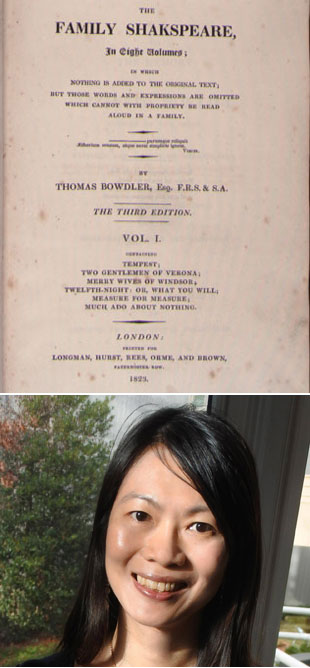
In fact, the term “bowdlerized” comes from Henrietta “Harriet” Bowdler who edited the popular, “family-friendly” anthology The Family Shakespeare (1807) which contains 24 edited plays. The anthology sanitised Shakespeare’s texts and rid them of undesirable elements such as references to Roman Catholicism, sex and more. The anthology was intended for young women readers.
Multiple ambiguities in Shakespeare are replaced by a more definitive interpretation. Ophelia no longer commits suicide in Hamlet. It is an accidental drowning. Lady Macbeth no longer curses “out, damned spot” but instead she says “Out, crimson spot!” Prostitutes are omitted, such as Doll Tearsheet in Henry IV Part 2. The “bawdy hand of the dial” (Mercutio) in Romeo and Juliet is revised as “the hand of the dial.”
Contrary to popular imagination, censorship is not a top-down operation. Instead, it is often a communal phenomenon involving both the censors and the receivers who willingly accept the Shakespeare that has been improved upon. Family Shakespeare was itself a family project. Thomas Bowdler (1754-1825) worked with his sister Henrietta Bowdler to bowdlerize or clean up the classics. The subtitle of the volume states that “nothing is added to the original text; but those words and expressions are omitted which cannot with propriety be read aloud in a family.” Shakespeare is credited as the author, though Bowdler made clear the Bard needed quite some heavy-handed editing.
Ironically, Henrietta Bowdler was herself censored. Thomas Bowdler’s name appears on the cover. It took two centuries for Henrietta to be credited for the anthology, for obviously there is no way she could have admitted that she recognised the bawdy puns in Shakespeare, much less editing them out of Shakespeare. The Bowdlers are among the better-known “censors” in the nineteenth century who editorialised the classics including Shakespeare.
When laying out her editorial principles in the preface, Bowdler does not hesitate to criticise the “bad taste of the age in which [Shakespeare] lived” and Shakespeare’s “unbridled fancy”:
The language is not always faultless. Many words and expressions occur which are of so indecent Nature as to render it highly desirable that they should be erased. But neither the vicious taste of the age nor the most brilliant effusions of wit can afford an excuse for profaneness or obscenity; and if these can be obliterated the transcendent genius of the poet would undoubtedly shine with more unclouded lustre.
She further explains her motive in The Times in 1819, emphasising that the “defects” in Shakespeare have to be corrected:
My great objects in the undertaking are to remove from the writings of Shakespeare some defects which diminish their value, and at the same time to present to the public an edition of his plays which the parent, the guardian and the instructor of youth may place without fear in the hands of his pupils, and from which the pupil may derive instruction as well as pleasure: and without incurring the danger of being hurt with any indelicacy of expression, may learn in the fate of Macbeth, that even a kingdom is dearly purchased, if virtue be the price of acquisition
While censorship carries a negative connotation in our times, The Family Shakespeare did broaden Shakespeare’s audience and readership. While American schools continue to redact Shakespeare, they also infuse Shakespeare into the American cultural life in various forms.
Artist Jane Zweig discovers books burned in Boston and looks at how Romeo and Juliet has been censored in America.[/vc_column_text][/vc_column_inner][vc_column_inner width=”1/3″][vc_single_image image=”94784″ img_size=”213×289″ alignment=”center” onclick=”custom_link” link=”http://journals.sagepub.com/doi/pdf/10.1080/03064227508532458″][vc_custom_heading text=”Censoring Shakespeare” font_container=”tag:p|font_size:24|text_align:left” link=”url:http%3A%2F%2Fjournals.sagepub.com%2Fdoi%2Fpdf%2F10.1080%2F03064227508532458|||”][vc_column_text]September 1975
A Lithuanian stage producer was dismissed from his post after sending an ‘open letter’ to Soviet authorities protesting censorship in theatre.[/vc_column_text][/vc_column_inner][vc_column_inner width=”1/3″][vc_single_image image=”93836″ img_size=”213×289″ alignment=”center” onclick=”custom_link” link=”http://journals.sagepub.com/doi/pdf/10.1080/03064228508533832″][vc_custom_heading text=”Clampdown on drama” font_container=”tag:p|font_size:24|text_align:left” link=”url:http%3A%2F%2Fjournals.sagepub.com%2Fdoi%2Fpdf%2F10.1080%2F03064228508533832|||”][vc_column_text]November 2007
Livingstone Njomo Waidhura reports on drama taught in schools and whether Shakespeare is a suitable hero for Kenya. [/vc_column_text][/vc_column_inner][/vc_row_inner][vc_separator][/vc_column][/vc_row][vc_row][vc_column width=”1/3″][vc_custom_heading text=”The unnamed” font_container=”tag:p|font_size:24|text_align:left” link=”url:%20https%3A%2F%2Fwww.indexoncensorship.org%2F2017%2F09%2Ffree-to-air%2F|||”][vc_column_text]The spring 2016 Index on Censorship magazine celebrates the 400th anniversary of William Shakespeare’s death, looking at how his plays have been used around the world to sneak past censors or take on the authorities – often without them realising. Our special report explores how different countries use different plays to tackle difficult themes.
With: Jan Fox, György Spiró, Martin Rowson[/vc_column_text][/vc_column][vc_column width=”1/3″][vc_single_image image=”86201″ img_size=”medium” alignment=”center” onclick=”custom_link” link=”https://www.indexoncensorship.org/2016/02/staging-shakespearean-dissent/”][/vc_column][vc_column width=”1/3″][vc_custom_heading text=”Subscribe” font_container=”tag:p|font_size:24|text_align:left” link=”url:https%3A%2F%2Fwww.indexoncensorship.org%2Fsubscribe%2F|||”][vc_column_text]In print, online. In your mailbox, on your iPad.
Subscription options from £18 or just £1.49 in the App Store for a digital issue.
Every subscriber helps support Index on Censorship’s projects around the world.
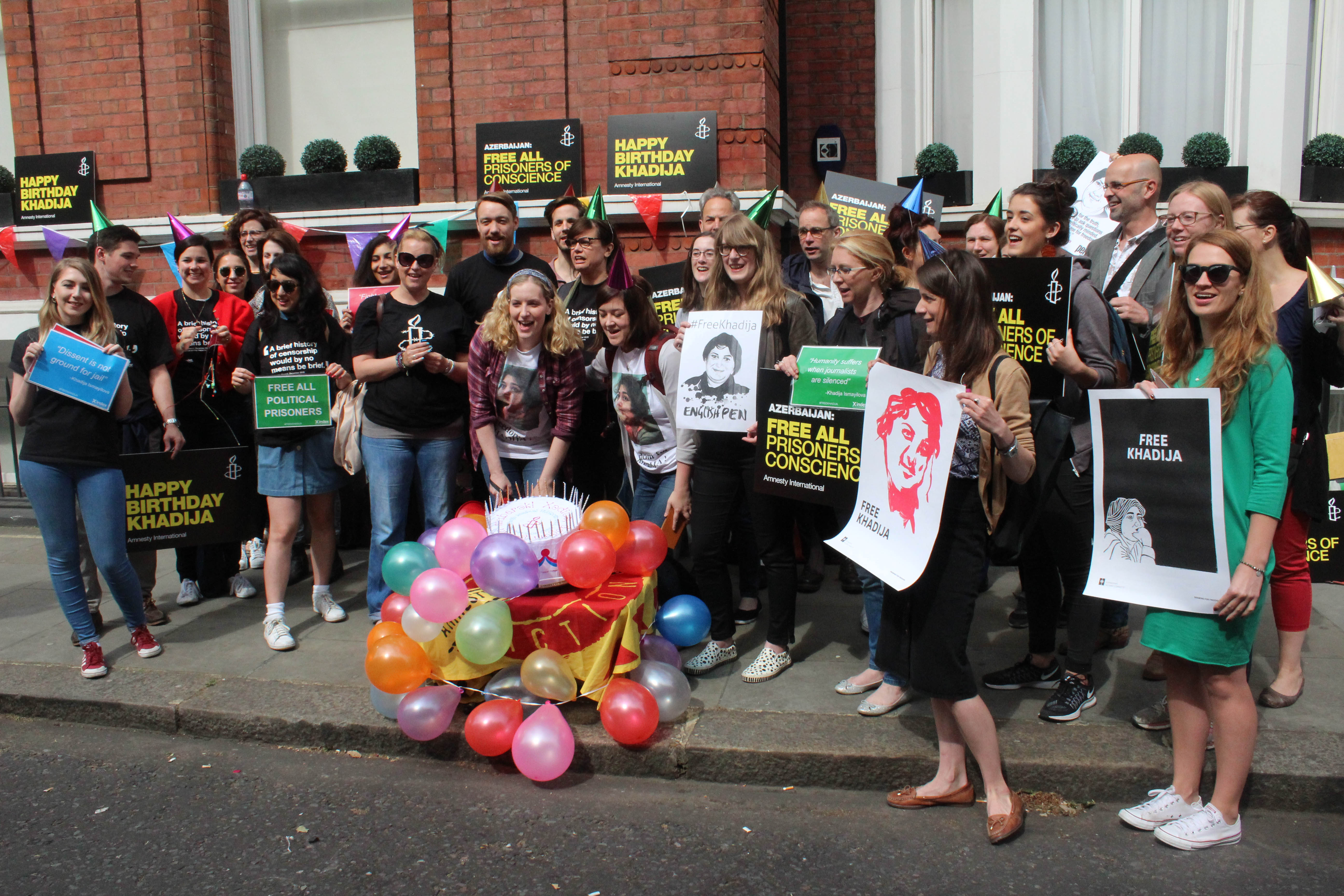
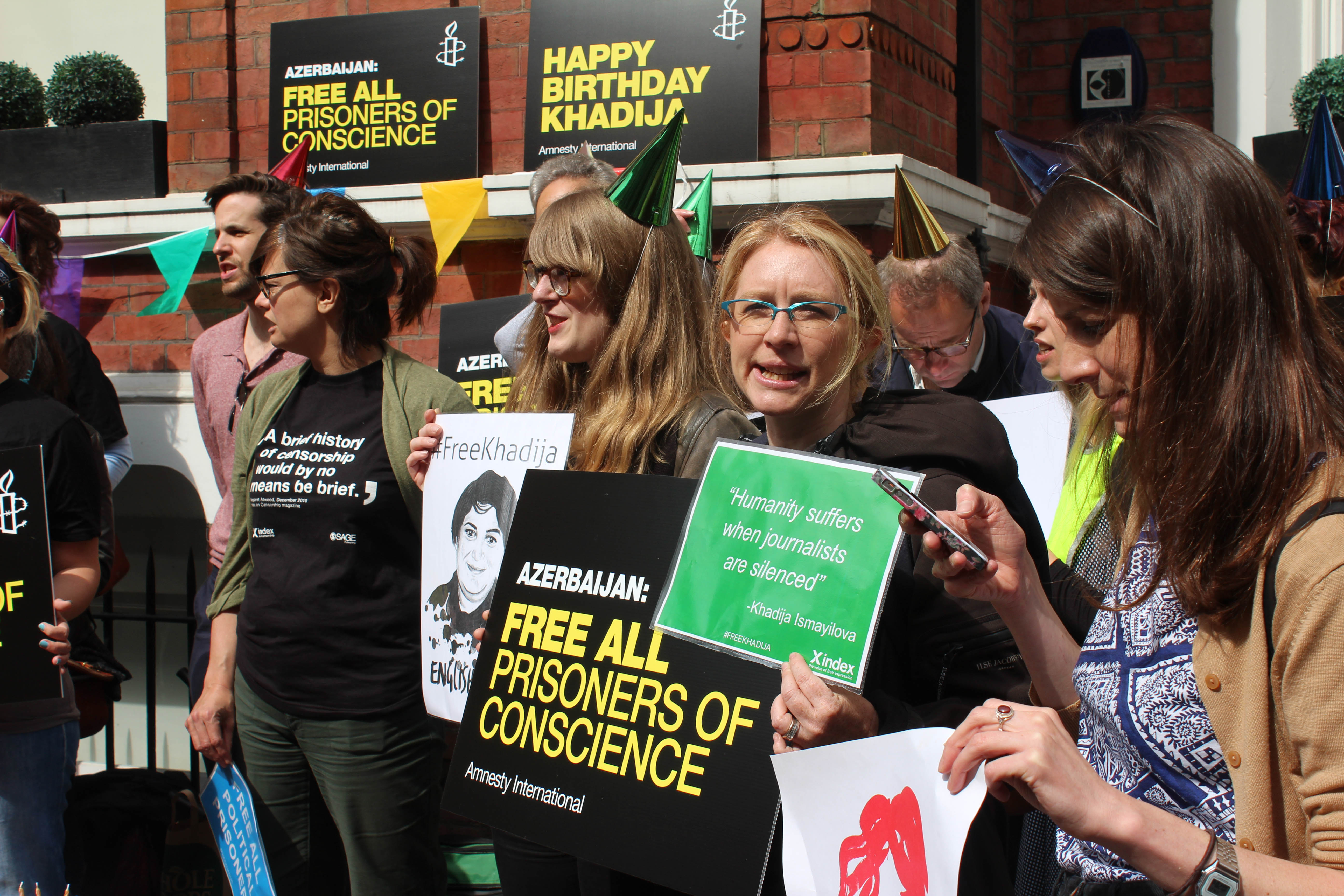
Protest for Khadija Ismayilova, Azerbaijan embassy, London. Credit: Cat Lucas, English Pen
Azerbaijani investigative journalist Khadija Ismayilova may have been released from prison on Wednesday, but two trumped-up charges against her — illegal entrepreneurship and tax evasion –remain. Her seven-and-a-half-year jail sentence has only been reduced to a three-and-a-half-year suspended term and she isn’t free to leave the country.
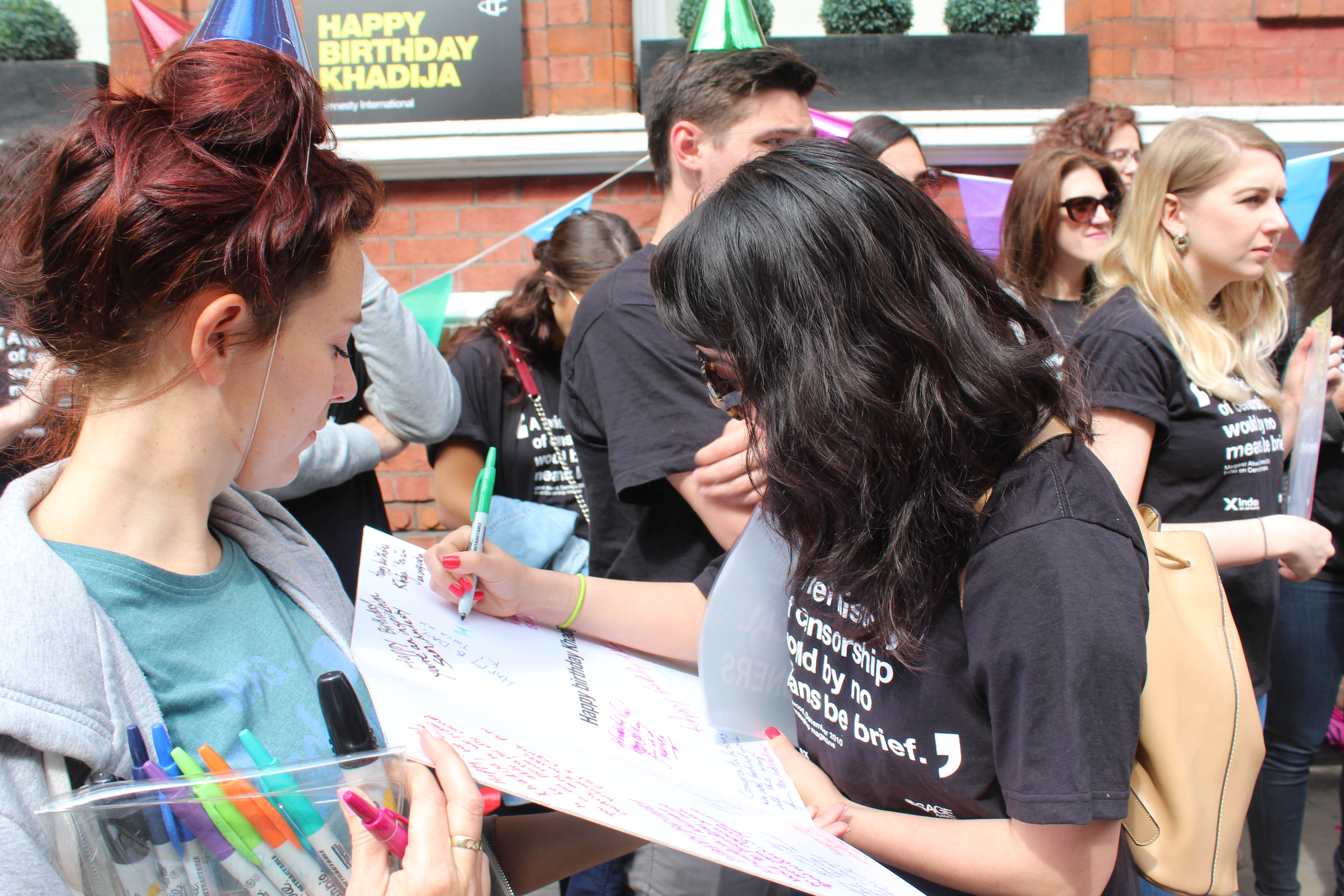
Today is Ismayilova’s 40th birthday and to mark the occasion, protesters gathered at 40 different demonstrations from around the world, not just to celebrate, but to call for all charges against her to be quashed. Index joined other members of the Sports for Rights coalition at the Azerbaijani embassy in London (see above).
— Index on Censorship (@IndexCensorship) May 27, 2016
“Let’s take a moment to celebrate the work that’s been done by this remarkable woman,” Rebecca Vincent, the co-ordinator of the Sport for Rights campaign, told demonstrators.
Currently, around 70 political prisoners — including journalists, bloggers, activists and religious followers — sit in Azerbaijani jails, and Vincent called on protesters to sustain their focus on all of them. “That’s what Khadija has asked for for her birthday,” she said.
Seymur Hezi is an Azerbaijani journalist serving a five-year prison sentence on charges of “aggravated hooliganism”. Hezi, who contributed to the Index on Censorship Freedom of Expression Award-winning newspaper Azadliq, was sentenced on 29 January 2015. He was arrested on 29 August 2014 following an altercation in which the journalist was defending himself from a physical assault and harassment, according to his lawyers. “His case doesn’t get enough international attention, possibly because he is not an English speaker and not well networked,” Vincent said.
Other political prisoners include Ilgar Mammadov, the opposition politician who leads Azerbaijan Republican Alternative Movement, who has been in jail for over three years, and Ilkin Rustemzade, the activistt originally jailed following his Harlem Shake video filmed in Baku.
On the same day Ismayilova was released, two more political prisoners, a youth activist and a journalist, were arrested.
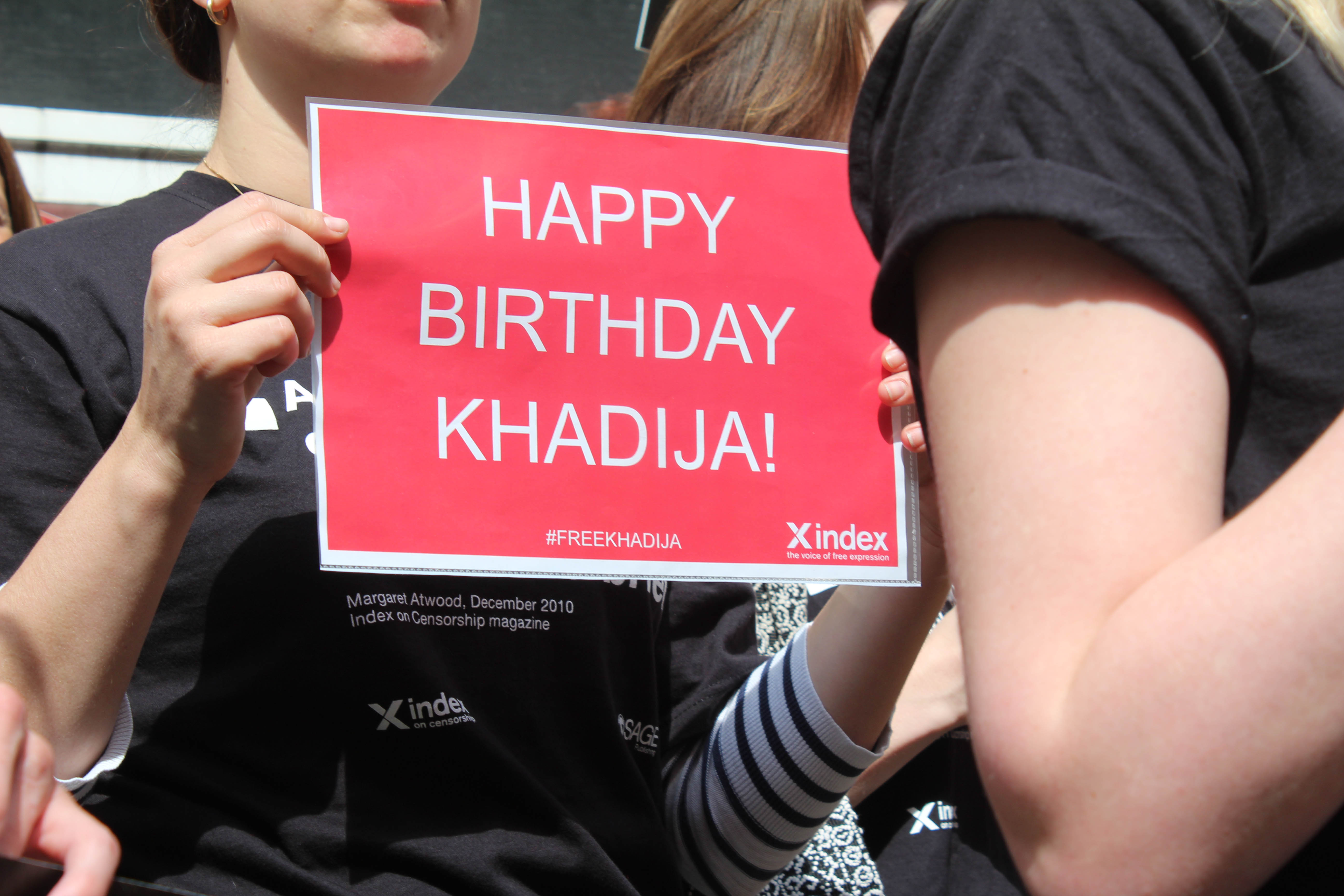
Protest for Khadija Ismayilova, Azerbaijan embassy, London. Credit: Cat Lucas, English Pen
Protest for Khadija Ismayilova, Azerbaijan embassy, London. Credit: Cat Lucas, English Pen
Protest for Khadija Ismayilova, Azerbaijan embassy, London. Credit: Cat Lucas, English Pen

 Art has traditionally accompanied political and social movements in Latin America and the turn of the 21st century has seen a resurgence of diverse forms of expression, including hip hop.