1 Jul 2019 | Awards, Fellowship, Fellowship 2020, Press Releases
[vc_row][vc_column][vc_custom_heading text=”فتح باب الترشيحات لجوائز زمالة حرية التعبير المُقدمة من منظمة “مؤشر الرقابة“ لعام 2020″ font_container=”tag:h2|text_align:right” use_theme_fonts=”yes”][vc_custom_heading text=”20 عاماً من الشجاعة – 87 بطلاً” font_container=”tag:h3|text_align:right” use_theme_fonts=”yes”][vc_row_inner][vc_column_inner width=”2/3″][vc_column_text]
فتح باب الترشيحات لجوائز زمالة حرية التعبير المُقدمة من منظمة “مؤشر الرقابة” لعام 2020
[/vc_column_text][/vc_column_inner][vc_column_inner width=”1/3″][vc_icon icon_fontawesome=”fa fa-file-pdf-o” color=”black” background_style=”rounded” size=”xl” link=”url:https%3A%2F%2Fwww.indexoncensorship.org%2Fwp-content%2Fuploads%2F2019%2F06%2FIndexAwards2020-Arabic.pdf|||”][/vc_column_inner][/vc_row_inner][/vc_column][/vc_row][vc_row][vc_column width=”1/2″][vc_single_image image=”107432″ img_size=”full”][/vc_column][vc_column width=”1/2″][vc_column_text]
تُمنح جوائز الزمالة لتكريم الصحفيين ومُنظمي الحملات والناشطين الرقميين والفنانين الذين يكافحون ضد الرقابة على مستوى العالم
يحصل الزملاء على حزمة مساعدات لمدة عام
موقع الترشيح: indexoncensorship.org/nominations
باب الترشيحات مفتوح من 1 إلى 31 تموز/يوليو 2019
#IndexAwards2020
[/vc_column_text][/vc_column][/vc_row][vc_row][vc_column][vc_row_inner][vc_column_inner][vc_column_text]This press release is also available in Chinese, English, Portuguese, Russian, Spanish[/vc_column_text][/vc_column_inner][/vc_row_inner][vc_column_text]
فُتح باب الترشيحات لجوائز زمالة حرية التعبير المُقدمة من منظمة “مؤشر الرقابة”. وتُمنح الجوائز الآن في عامها العشرين لتكريم بعض من أشهر أبطال حرية التعبير في العالم.
سوف يوافق عام 2020 مرور 20 عاماً على بداية جوائز حرية التعبير التي حصل عليها 87 فائزاً على مر السنين. ومنذ عام 2015، وسعت المنظمة نطاق برنامج الجوائز ليشمل جوائز الزمالة، من أجل دعم ومناصرة 22 زميلاً فيما يقومون به من عمل دفاعاً عن حرية التعبير على الصعيد الدولي.
وتسعى جوائز الزمالة إلى دعم الناشطين على جميع المستويات وفي كل بقاع العالم. ومن الفائزين السابقين: الصحفية الاستقصائية الهندوراسية ويندي فونيس، ورسام الكاريكاتير السوري علي فرزات، والباكستانية الناشطة في مجال التعليم مالالا يوسفزاي، والصحفية الاستقصائية السعودية صفاء الأحمد، والفنانة زانيلي موهولي وهي مصورة مجتمع الميم (LGBTI) في جنوب أفريقا.
وتدعو المنظمة عامة الناس ومنظمات المجتمع المدني والمجموعات غير الربحية والمؤسسات الإعلامية إلى ترشيح أي شخص (أفراد أو منظمات) يعتقدون أنه ينبغي تكريمه ودعم ما يقوم به من عمل في مجال التصدي للرقابة بجميع أنحاء العالم.
وتقدم المنظمةُ زمالةً في كل فئة من الفئات الأربع التالية:
فئة الفنون: للفنانين والمنتجين الفنيين الذين يتحدى عملهم القمع والظلم ويُمجِّد حرية التعبير الفني. وتشمل هذه الفئة الفنانين التشكيليين، والموسيقيين، ورسامي الكاريكاتير، والكتاب المبدعين، سواء أكان عملهم فردياً أو جماعياً.
فئة الحملات: للناشطين ومنظمي الحملات الذين كان لهم تأثير ملحوظ في مكافحة الرقابة والنهوض بحرية التعبير على أرض الواقع، سواء أكانوا أفراداً أو منظمات.
فئة النشاط الرقمي: لمُبتكري التكنولوجيات الرائدة التي تتغلب على الرقابة مما يسمح بالتبادل الحر والمستقل للمعلومات. وتشمل هذه الفئة التطبيقات أو الأدوات الرقمية أو البرمجيات الجديدة.
فئة الصحافة: للصحافة الشجاعة والعنيدة التي تفضح الرقابة وتهديدات حرية التعبير، وتنادي بإتاحة المعلومات. وتشمل هذه الفئة المُدوِّنين، والمنافذ الإخبارية، والمنظمات الاستقصائية غير الربحية.
وسوف يحصل جميع الفائزين بجوائز الزمالة على 12 شهراً من الإرشاد والتواصل الشبكي والدعم الاستراتيجي. وتبدأ تلك السنة بإقامة مدفوعة بالكامل لمدة أسبوع في لندن (نيسان/أبريل 2020) بالإضافة إلى ورش عمل وتدريبات وفعاليات عامة. وتعمل المنظمة مع الزملاء على مدار تلك السنة لتعزيز تأثير أعمالهم ومكانتها واستدامتها بدرجة كبيرة.
وفي هذا الصدد، قالت جودي غينسبرغ، الرئيسة التنفيذية للمنظمة: “إن جوائز حرية التعبير تسلّط الضوء منذ 20 عاماً على بعضٍ من أشجع المغمورين المدافعين عن حرية التعبير في العالم. وكان سعينا يهدف إلى الإشادة بعمل الجماعات والأفراد الذين عززوا حرية التعبير، غالباً في مواجهة عقبات هائلة وخطر عظيم. وقمنا، في السنوات الأخيرة، بتوسيع نطاق برنامج الجوائز ليشمل زمالات تساعد الفائزين على تكثيف جهودهم من خلال الدعم والتدريب المُوَجَّهين. فعليكم بالتصويت لترشيح بطل من أبطال حرية التعبير للتأكد من إسماع صوته.”
سوف يُعلن عن القائمة القصيرة لجوائز 2020 في أوائل عام 2020. وسوف تتولى لجنة تحكيم رفيعة المستوى اختيار الزملاء، وسوف يُعلن عن أسماء الفائزين في لندن في حفل سيُقام في شهر نيسان/أبريل 2020. وسوف يُفتح باب الترشيحات من 1 تموز/يوليو 2019 حتى الخامسة مساءً بالتوقيت البريطاني الصيفي يوم 31 تموز/يوليو 2019.
أُطلقت جوائز حرية التعبير في عام 2001 لتكريم المدافعين عن حرية التعبير على الصعيد العالمي من الأفراد والمنظمات.
لمزيد من المعلومات عن الجوائز والزمالات، يُرجى التواصل مع شون غالاغر (Sean Gallagher)، [email protected].
نبذة عن زمالات جوائز حرية التعبير
سيُحتفل في عام 2020 بمرور 20 عاماً على انطلاق جوائز حرية التعبير التي حصل عليها 87 فائزاً على مر السنين. ومنذ عام 2015، وسعت المنظمة نطاق برنامج الجوائز ليشمل جوائز الزمالة، من أجل دعم ومناصرة 22 زميلاً فيما يقومون به من عمل دفاعاً عن حرية التعبير على الصعيد الدولي. سيحصل الفائزون بجوائز الزمالة لعام 2020 على 12 شهراً من الإرشاد والتواصل الشبكي والدعم الاستراتيجي. مزيد من المعلومات
نبذة عن منظمة “مؤشر الرقابة“
مؤشر الرقابة (Index on Censorship) هي منظمة غير ربحية تتخذ من لندن مقراً لها، وتنشر أعمالاً لكتاب وفنانين خاضعين للرقابة وحملات مناهضة للرقابة في جميع أنحاء العالم. نشرت المنظمة منذ تأسيسها في عام 1972 أعمالاً لبعض أعلام الأدب في مجلتها الفصلية الحائزة على جوائز، ومنهم صمويل بيكيت، ونادين غورديمر، وماريو فارغاس يوسا، وأرثر ميلر، وكورت فونيغوت. كما نشرت أعمالاً لبعض من أفضل كتاب الحملات في العالم بدءاً من فاتسلاف هافيل إلى أليف شفاك.
[/vc_column_text][vc_basic_grid post_type=”post” max_items=”4″ element_width=”6″ grid_id=”vc_gid:1561623900944-48493a29-8f1d-3″ taxonomies=”5692″][/vc_column][/vc_row]
1 Jul 2019 | Awards, Fellowship 2020, News, Press Releases
[vc_row][vc_column][vc_row_inner][vc_column_inner width=”1/2″][vc_single_image image=”107432″ img_size=”full”][/vc_column_inner][vc_column_inner width=”1/2″][vc_column_text]
- Awards Fellowship honours journalists, campaigners, digital activists and artists fighting censorship globally
- Fellows receive a year-long package of assistance
- Nominate at indexoncensorship.org/nominations
- Public nominations are open from 1 July to 31 July 2019
- #IndexAwards2020
[/vc_column_text][/vc_column_inner][/vc_row_inner][vc_column_text]This press release is also available in Arabic, Chinese, Portuguese, Russian, Spanish[/vc_column_text][vc_column_text]Nominations for the Index on Censorship Freedom of Expression Awards Fellowship are open. Now in their 20th year, the Awards honour some of the world’s most remarkable free expression heroes.
2020 will mark 20 years of the Freedom of Expression Awards, with 87 winners awarded over the years. Since 2015, Index has expanded the Awards programme to include the Awards Fellowship, supporting and championing 22 fellows in their work defending freedom of expression internationally.
The Awards Fellowship seeks to support activists at all levels and spans the world. Past winners include Honduran investigative journalist Wendy Funes, Syrian cartoonist Ali Farzat, Pakistani education campaigner Malala Yousafzai, Saudi investigative journalist Safa Al Ahmad and South African LGBTI photographer Zanele Muholi.
Index invites the general public, civil society organisations, non-profit groups and media organisations to nominate anyone (individuals or organisations) who they believe should be celebrated and supported in their work tackling censorship worldwide.
We are offering four fellowships, one in each of the following categories:
- Arts for artists and arts producers whose work challenges repression, injustice and celebrates artistic free expression. This could include visual artists, musicians, cartoonists, creative writers, whether solo or collectives.
- Campaigning for activists and campaigners who have had a marked impact in fighting censorship and promoting free expression on the ground. This could include individuals or organisations.
- Digital Activism for ground-breaking technology that circumvents censorship enabling the free and independent exchange of information. This could include new apps, digital tools or software.
- Journalism for courageous and determined journalism that exposes censorship, threats to free expression and demands access to information. This could include bloggers, news outlets and investigative nonprofits.
All winners become Awards Fellows who receive 12 months of mentorship, networking and strategic support. The year commences with a week-long, all-expenses-paid residential in London (April 2020) with workshops, training and public events. Over the course of the year, Index works with the fellows to significantly enhance the impact, profile and sustainability of their work.
Jodie Ginsberg, CEO of Index, said: “The Freedom of Expression Awards have showcased some of the world’s most fearless and unsung defenders of free expression for 20 years. We’ve sought to recognise the work of groups and individuals who have enhanced freedom of expression, often in the face of immense obstacles and great danger. In recent years, we’ve expanded the Awards programme to include fellowships that help winners amplify their efforts through targeted support and training. Use your voice by nominating a free expression champion to make sure their voice is heard.”
The 2020 Awards shortlist will be announced in early 2020. The fellows will be selected by a high profile panel of judges and announced in London at a ceremony in April 2020. Nominations will be open from 1 July 2019 to 5pm BST 31 July 2019.
The Freedom of Expression Awards were launched in 2001 to raise the profile of individuals and organisations that were defending freedom of expression globally.
For more information on the Awards and Fellowship, please contact Sean Gallagher, [email protected].
About the Freedom of Expression Awards Fellowship
2020 will mark 20 years of the Freedom of Expression Awards, with 87 winners honoured over the years. Since 2015, Index has expanded the Awards programme to include the Awards Fellowship, supporting and championing 22 fellows in their work defending freedom of expression internationally. Winners of the 2020 Awards Fellowship will receive 12 months of mentorship, networking and strategic support. More information
About Index on Censorship
Index on Censorship is a London-based non-profit organisation that publishes work by censored writers and artists and campaigns against censorship worldwide. Since its founding in 1972, Index on Censorship has published some of the greatest names in literature in its award-winning quarterly magazine, including Samuel Beckett, Nadine Gordimer, Mario Vargas Llosa, Arthur Miller and Kurt Vonnegut. It also has published some of the world’s best campaigning writers from Vaclav Havel to Elif Shafak.[/vc_column_text][vc_row_inner][vc_column_inner][vc_column_text]This press release is also available in Arabic, Chinese, Portuguese, Russian, Spanish[/vc_column_text][/vc_column_inner][/vc_row_inner][vc_basic_grid post_type=”post” max_items=”4″ element_width=”6″ grid_id=”vc_gid:1561623587103-71ce28d9-6c09-8″ taxonomies=”5692″][/vc_column][/vc_row]
1 Jul 2019 | Awards, Fellowship 2020, Press Releases
[vc_row][vc_column width=”1/2″][vc_single_image image=”107432″ img_size=”full”][/vc_column][vc_column width=”1/2″][vc_column_text]
- Atribui prémios a jornalistas, ativistas e artistas que lutam contra a censura em todo o mundo
- Os galardoados recebem ajuda para os seus projetos durante um ano
- Faz a tua nomeação em indexoncensorship.org/nominations
- As nomeações podem ser feitas entre 1 e 31 de julho de 2019
- #IndexAwards 2020
[/vc_column_text][/vc_column][/vc_row][vc_row][vc_column][vc_column_text]This press release is also available in Arabic, Chinese, English, Russian, Spanish[/vc_column_text][vc_column_text]As nomeaçãoes para os Prémios de Liberdade de Expressão da Index on Censorship já começaram. Este prémio, que está na sua 20a edição, serve para distinguir os maiores heróis da liberdade de expressão de todo o mundo.
Em 2020 assinalam-se os 20 anos dos Prémios de Liberdade de Expressão, que já dintinguiram 87 vencedores ao longo dos anos. Desde 2015, a Index alargou o âmbito dos prémios e passou a incluir a atribuição de bolsas, que apoiam e defendem 22 bolseiros no seu trabalho pela defesa da liberdade de expressão a nível internacional.
O programa de bolsas serve para ajudar, sem atribuição monetária, ativistas a vários níveis e chega ao mundo inteiro. Alguns dos vencedores de edições anteriores incluem a jornalista de investigação das Honduras Wendy Funes, o cartonista sírio Ali Farzat, a ativista paquistanesa pela educação Malala Yousafzai, a jornalista de investigação saudita Safa Al Ahmad ou a fotógrafa LGBTI da África do Sul Zanele Muholi.
A Index convida o público em geral, as organização da sociedade civil, as organização sem fins lucrativos e as organizações de media a nomearem quaisquer pessoas ou organizações que eles acreditam que devem ser distinguidas e apoiadas pelo seu trabalho contra a censura a nível mundial.
Estamos a oferer quatro bolsas não-monetárias, cada uma delas nas seguintes categorias:
- Artes, para os artistas e produtores cujo trabalho desafia a repressão, a injustiça e defende a liberdade de expressão artística. Nesta categoria estão incluídos artistas visuais, músicos, cartonistas, escritores, quer trabalhem individualmente ou em coletivos.
- Ativismo, para ativistas que tenham causado um impacto na sua luta contra a censura e na promoção da liberdade de expressão no terreno. Nesta categoria podem estar incluídos indivíduos e organizações.
- Ativismo digital, para tecnologias inovadoras que permitam contornar a censura e permitam uma troca de informação de forma livre e independente. Nesta categoria podem estar incluídas novas aplicações, ferramentas digitais ou software.
- Jornalismo, para jornalismo corajoso e determinado que exponha a censura, ameaças à liberdade de expressão e que exija o acesso à informação. Esta
categoria pode incluir bloggers, órgãos de comunicação social ou consórcios de investigação sem fins lucrativos.
Cada vencedor passará a ser um Bolseiro da Liberdade de Expressão e terá direito a 12 meses de aconselhamento, networking e apoio estratégico. Este ano, o programa começa com uma residência de uma semana em Londres, em abril de 2020, com todas as despesas pagas. Durante esse tempo, vai haver workshops, exercícios de preparação e eventos públicos. Ao longo do ano, a Index vao trabalhar com os bolseiros de maneira a expandir os seus trabalhos no que diz respeito a impacto, perfil e sustentabilidade.
Jodie Ginsberg, diretor executiva da Index, disse: “Ao longo de 20 anos, os Prémios de Liberdade de Expressão distinguiram alguns dos mais corajosos e desconhecidos defensores da liberdade de expressão de todo o mundo. Temos feito para reconhecer o trabalho de grupos ou pessoas que ajudaram a liberdade de expressão, muitas vezes perante grandes perigos e obstáculos. Nos últimos anos, alargámos o programa dos prémios para incluir bolsas que ajudam os seus vencedores a aumentarem os seus esforços através de apoio e treino personalizados. Usem as vossas vozes para nomear um defensor da liberdade de expressão para garantirem que a voz deles também é ouvida”.
A lista de nomeados para o prémio de 2020 será anunciada nos início de 2020. Os bolseiros serão selecionados por um painel de juízes de reconhecido valor e serão anunciados em Londres, numa cerimónia em abril de 2020. As nomeações estão abertas entre 1 de julho de 2019 e 31 de julho de 2019 às 17:00 (hora de Londres).
Os Prémios de Liberdade de Expressão foram lançados em 2001 para chamar a atenção para os indivíduos e organizações que defendem a liberdade de expressão em todo o mundo.
Para mais informações sobre os prémios e as bolsas, por favor contactem Sean Gallagher ([email protected]).
Sobre as bolsas do Prémios de Liberdade de Expressão Em 2020 assinalam-se os 20 anos dos Prémios de Liberdade de Expressão, que já distinguiram 87 personalidades e grupos ao longo dos anos. Desde 2015, a Index alargou o âmbito dos prémios para incluir bolsas não-monetárias, que ajudam e defendem 22 bolseiros a desenvolverem os seus trabalhos de defesa da liberdade expressão a nível internacional. Os vencedores da Bolsa de Liberdade de Expressão de 2020 vão receber 12 meses de aconselhamento, networking e apoio estratégico. Mais informação
Sobre a Index on Censorship A Index on Censorship é uma organização sem fins lucrativo sediada em Londres que publica os trabalhos de escritores, artistas e campanhas que foram censurados e que lutam contra a censura em todo o mundo. Desde a sua fundação, em 1972, a Index on Censorship tem publicado alguns dos maiores nomes da literatura na sua revista trimestral premiada, incluindo Samuel Beckett, Nadine Gordimer, Mario Vargas Llosa, Arthur MIller e Kurt Vonnegut. Também publicou alguns dos melhores líderes sociais políticos do mundo, como Vaclac Havel e Elif Shafak. [/vc_column_text][vc_basic_grid post_type=”post” max_items=”4″ element_width=”6″ grid_id=”vc_gid:1561623552059-544e6a49-8b00-10″ taxonomies=”5692″][/vc_column][/vc_row]
26 Jun 2019 | Global Journalist, Media Freedom, media freedom featured, News, Tajikistan
[vc_row][vc_column][vc_column_text]This article is part of Index on Censorship partner Global Journalist’s Project Exile series, which has published interviews with exiled journalists from around the world.[/vc_column_text][vc_column_text]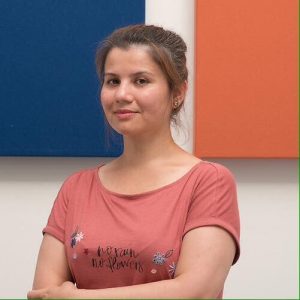 The calls came to Tajik journalist Humayra Bakhtiyar at her sports club, at the shopping center and at home. Whatever she was doing, agents from Tajikistan’s State Committee for National Security wanted her to know that they knew about it.
Then there were the social media attacks by pro-government trolls: the unflattering photoshopped images of Bakhtiyar and innuendo about her family on Facebook. There were reports attacking her in government media. Finally, there was the official from the former Soviet republic’s security service, still known colloquially as the KGB, who came to the office asking about her family members and why she was putting herself in such a dangerous situation. Would she consider spying on her colleagues for him?
At issue was Bakhtiyar’s reporting on corruption, human rights and other sensitive issues in the central Asian nation for news outlets including the Russian-language Asia-Plus news site, the Institute for War and Peace Reporting and Turkey’s Anadolu Agency.
Such reports were particularly sensitive during presidential elections in 2013 and parliamentary elections in 2015, both won by the ruling party of Tajik President Emomali Rahmon amid criticism from outside observers. Fearing for her safety and that of her family, Bakhtiyar moved to Germany in 2015.
President Rahmon, whose official titles include “Founder of Peace and National Unity,” has ruled the country of 9 million since 1992 in part by imposing severe restrictions on the media. In 2019 Tajikistan ranked 161st of 180 countries on Reporters Without Borders World Press Freedom Index, which notes that much of the country’s independent media has been eliminated. “Harassment by the intelligence services, intimidation and blackmail are now part of the daily routine” for journalists in the country, according to the Paris-based press freedom group.
The U.S.-backed Radio Free Europe/Radio Liberty, one of the few independent news organizations to operate in the country, is routinely blocked by the government – despite criticism that an RFE/RL local language affiliate has itself become a voice for government propaganda. But RFE/RL is far from alone in facing censorship. Following the killing of four foreign tourists by Islamic State militants last year, much of Tajikistan’s internet was shut down.
Now living in Hamburg, Germany, Bakhtiyar spoke with Global Journalist’s Kyle LaHucik about her budding career as a Tajik journalist and the threats she faced for reporting criticism of the government. Below, an edited version of their conversation:
Global Journalist: Why did you want to go in to journalism?
Bakhtiyar: I wanted to become a diplomat in my school years. But later, I understood that my family cannot pay for me. I never wanted to become a journalist, but when I started to study, I really loved it. From my third year, I started to work full time. From early morning I’d work, and then in the afternoon I went to university to study. From 2007 to 2009, I worked overnight. Many times I slept in my office.
GJ: What subjects did you report on?
Bakhtiyar: At first, I started with social issues. But in early 2008, I was sent to parliament to report. [At] first, I really hated it because it was so boring to listen to the old men talking. But later I started to [take] interest. What does it mean? Why are they sitting there? Why are they writing what they are writing? For whom?
…After that, I started to be interested much more about the government, about who is in government, about nepotism and human rights.
GJ: Tell us about some of the human rights and government issues that interested you.
Bakhtiyar: People really don’t have any rights. When you are getting married, girls have to have this test or papers that say they reserved their virginity and can marry. Even Tajik emigrants who have to move to Russia for work, they also don’t have any rights in Russia and really no rights in Tajikistan. When you go to the hospital there is not good service, and for some doctors you have [pay bribes] because they have really low salaries.
But from Tajikistan government news you will get information that you are really living in some paradise.
GJ: How did the government try to silence you?
Bakhtiyar: I worked more or less 10 years in Tajikistan. I covered all issues: government, parliamentary corruption, nepotism, and the financial system, which is so horrible.
In early 2013, I got some messages from the KGB, the security police: I have to be careful writing, I have to stop covering some issues. In 2013 we had a presidential election, so that’s why I think the security police started to control all mass media. They started to talk to every editor first. They started to push journalists through the editors. Three or four times they contacted my chief editor at a Tajik newspaper and advised them to stop me.
My chief editor informed me every time that the security police want to talk to me. They have some special topic they want to discuss. Every time I ignored this. I said, “I don’t have anything to share with them.”
Later, they came to my office to talk with me. They asked that I talk to them, and when I talked, they asked me to come to the security office. I didn’t want to go because I was afraid. I heard how some activists and journalists have had some accidents that year. I said that if you have any official reasons to talk to me, you have to send me an official letter [that states] why, who you are, why you want to talk to me.
GJ: What did the internal security agent say in response?
Bakhtiyar: [He asked] “How are you living? How is your family? What is your father doing? Where is your mother? Is she alive? How are your brothers?”
I got the message that he already knew everything about my life. My parents are divorced for 18 years [something] I never shared with my colleagues. I lived with my father and my stepmother.
He asked me: “Do you have good relations with your stepmom?”
I tried to be so calm. I told him: “If you are so interested in my family, one day you should come for dinner and I can introduce you to them if they are so important for your office.”
He started to change our conversation and said, “You are so young, so young and so beautiful. Why are you trying to put yourself in a dangerous situation?…You are doing wrong things, your opinion is wrong, everything that you said is bad in our country is not bad. We should keep our peace. You should support our government, it is [a] really nice government.”
I said, ” I don’t want to hear from you…[I] suggest you’re free to go.”
And he just said, “You can write something as you want, but you can work with us. For example, share about what people are talking [about] around you, especially in your office, your colleagues.”
I was so angry, I asked him, “Are you serious?”
Then he started to call me many times and every time when he calls me he informed me that he knows where I am at that moment: when I was at home, when I was at my office, when I was in the shopping center or even my sports club. He really persecuted me and later I started to feel that some people are following me on the street, but I tried to ignore it.
GJ: Did this continue?
Bakhtiyar: Later they started a social attack. There were many, many of my photos published on social media, some Russian social media but mostly Facebook, because I was really active on Facebook. There were many of my photos [that were] Photoshopped and many, many wrong and dirty rumors about my life, about my family. They started to write that I have some psychological problem because I grew up with a stepmother. All the time I knew that they have just one goal: they want to see me out of journalism.
In 2015, we had a parliamentary election. I was really so active, I wrote about it. In some government newspapers they wrote some articles against me. It makes you a bit tired, morally. During this moment, one of my friends in Tajikistan, my colleague and my friend, he [suggested] that maybe I can get some scholarship outside for a short time and maybe it can help me to get a bit of rest. When I will be out of Tajikistan, they cannot see me every day. Maybe they will forget about me. I was really, really tired to live under such pressure.
We found a scholarship at [German news network] Deutsche Welle in Bonn, Germany in May 2015. They said that you are free, you can write about anything. Immediately after my second article, the Deutsche Welle editor got a letter of complaint from the Ministry of Foreign Affairs of Tajikistan. They invited a Deutsche Welle correspondent in [Tajik capital] Dushanbe in and pushed him to say how I got an internship. What am I doing in Deutsche Welle in Bonn? Who helped me? Why am I writing from Germany about Tajik issues?
My editor just told me: “Don’t be afraid…we will stand behind you. Just continue what you think is right.”
And I continue to write. [/vc_column_text][/vc_column][/vc_row][vc_row][vc_column width=”1/2″][vc_video link=”https://youtu.be/6BIZ7b0m-08″][/vc_column][vc_column width=”1/2″][vc_column_text]Index on Censorship partner Global Journalist is a website that features global press freedom and international news stories as well as a weekly radio program that airs on KBIA, mid-Missouri’s NPR affiliate, and partner stations in six other states. The website and radio show are produced jointly by professional staff and student journalists at the University of Missouri’s School of Journalism, the oldest school of journalism in the United States. [/vc_column_text][/vc_column][/vc_row][vc_row][vc_column][vc_custom_heading text=”Don’t lose your voice. Stay informed.” use_theme_fonts=”yes”][vc_separator color=”black”][vc_row_inner][vc_column_inner width=”1/2″][vc_column_text]Index on Censorship is a nonprofit that campaigns for and defends free expression worldwide. We publish work by censored writers and artists, promote debate, and monitor threats to free speech. We believe that everyone should be free to express themselves without fear of harm or persecution – no matter what their views.
Join our mailing list (or follow us on Twitter or Facebook). We’ll send you our weekly newsletter, our monthly events update and periodic updates about our activities defending free speech. We won’t share, sell or transfer your personal information to anyone outside Index.[/vc_column_text][/vc_column_inner][vc_column_inner width=”1/2″][gravityform id=”20″ title=”false” description=”false” ajax=”false”][/vc_column_inner][/vc_row_inner][/vc_column][/vc_row][vc_row full_width=”stretch_row_content”][vc_column][three_column_post title=”Global Journalist / Project Exile” full_width_heading=”true” category_id=”22142″][/vc_column][/vc_row]
