When your job is to campaign against censorship, sometimes censorship comes for you. And that’s exactly what has just happened to me, and indeed many others in my field.
I was supposed to go to Zambia today. I had meticulously planned my trip. I’d filled out forms and booked airport transfers. My suitcase was half packed. I’d even started my course of anti-malarial pills. I would have been one of thousands heading to the capital city Lusaka for the RightsCon event which was meant to take place next week. Organised by Access Now, RightsCon is one of the largest and most important annual conferences on the intersection of human rights and technology in the world. It’s a special event, attracting a mix of leading digital rights specialists, researchers, policymakers, journalists and technologists. Except it was cancelled at the eleventh hour. Not because of any logistical mess-up, but because the Zambian government clearly didn’t want us there. I’m going to call their intervention out for what it is – censorship.
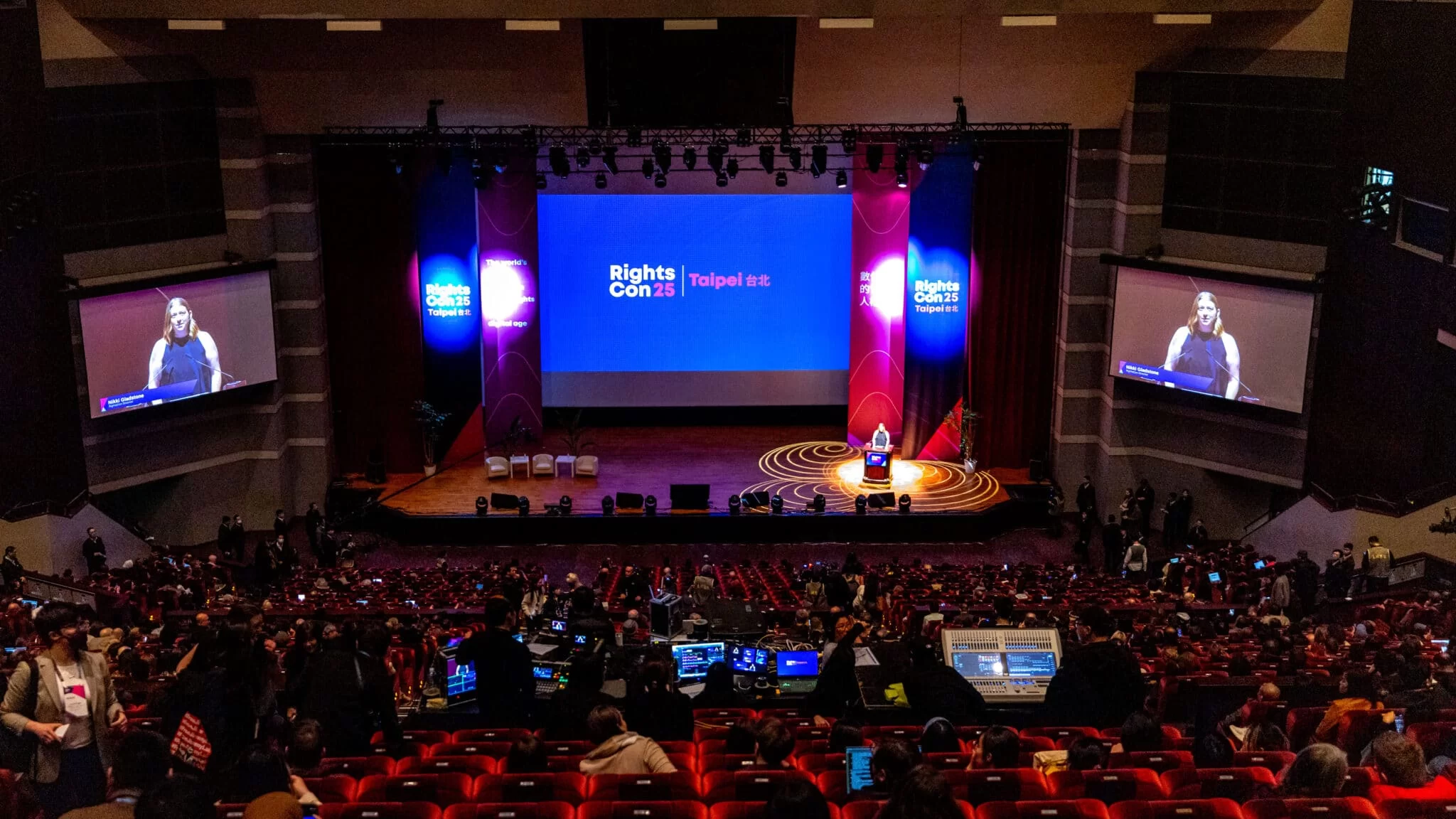
Each year, Access Now carefully choose where they host RightsCon. In 2025 it was in Taipei in Taiwan. While staging the conference there was not without its complications (some were unable to attend following the withdrawal of USAID), the event was still buzzing; rich, rewarding conversations and connections flowed. This year Access Now wanted the conference to be more accessible to people from the Global South. Zambia was chosen for this reason and likely too because in Africa it’s known as one of the more stable countries. That calculation appeared to pay off. Last week the Zambian government issued a statement welcoming the event. Then came the U-turn. First on Tuesday when Zambia’s Minister of Technology and Science, Felix Mutati, said the conference needed to be postponed to ensure it “fully [aligns] with national procedures, diplomatic protocols, and the broader objective of fostering a balanced and consensus-driven platform for dialogue.” He added: “In particular, certain invited speakers and participants remain subject to pending administrative and security clearances, which have not yet been concluded.”
Yesterday, the Zambian government doubled down. “The postponement was necessitated by the need for comprehensive disclosure of critical information related to key thematic issues proposed for discussion during the Summit,” said Thabo Kawana, the Permanent Secretary for the Ministry of Information and Media. “Such disclosure is essential to ensure full alignment with Zambia’s national values, policy priorities, and broader public interest considerations.”
The statement is extraordinary. What does alignment with “Zambia’s national values” mean? It’s the nebulous language autocrats often use to justify punishing their critics. Could the “thematic issues” relate to discussions about LGBTQ+ rights in a country which criminalises same sex relationships and routinely detains and beats up gay people? As for “policy priorities”, could it concern Zambia’s general elections, due to take place in August? The government has been criticised over recent constitutional changes that many believe extend its power. Other policies are leading to a shrinking civic space. Several people have been imprisoned for criticising President Hakainde Hichilema.
Or could it concern Zambia’s relationship with China? Last Friday they signed an agreement to work more closely together. The relationship was already tight – Zambia is the first African country to allow mining companies to pay in yuan, China’s currency. Beijing would not be a fan of RightsCon and Beijing has a record of interference. Consider too the “broader public interest considerations”. Let’s get real. RightsCon is an event for nerds and wonks, the opposite of a rowdy crowd. Besides, wouldn’t the thousands of travellers to Lusaka be good for the hospitality industry, part of any sensible “broader public interest consideration”?
The reasons given smell bad because they are.
RightsCon have now formally cancelled the event. They’ve said that they “do not recommend registered participants travel to Lusaka for RightsCon.” I’m reading this as a warning – it’s not safe.
I was looking forward to visiting Zambia and getting under the belly of the country or at least trying to. UNESCO, capitalising on the crowd that would be gathered there, also planned their annual World Press Freedom Day Global conference to happen just before RightsCon in Lusaka. I was part of events at both, alongside a separate workshop on encryption.
I was excited to connect with people from last year’s RightsCon and to meet new ones. Solidarity is essential and especially right now, with the connections made at conferences like these invaluable. I was buoyed by the prospect of all the knowledge-sharing and to hear stories that resonate more when said to someone’s face rather than in pixelated form. There’s a reason these events have gone back to being predominantly in-person.
I feel sorry for the Access Now team who would have spent months working on the programme. I feel bad for the attendees from Zambia and nearby countries who RightsCon was hoping to support. I feel guilty for the hotels and restaurants which went from being fully booked to available. Mostly of all I feel very sad about all the conversations that should have happened and now won’t. Hopefully RightsCon will be back with a bang next year. But nothing can or will fill the hole this year’s cancellation has left.
Editor’s note: RightsCon have clarified their position about traveling to Zambia in a post on X saying they have “seen no indications of safety risks in traveling to Zambia”.