Also read our CEO Jemimah Steinfeld’s view on the reasons for RightsCon’s cancellation
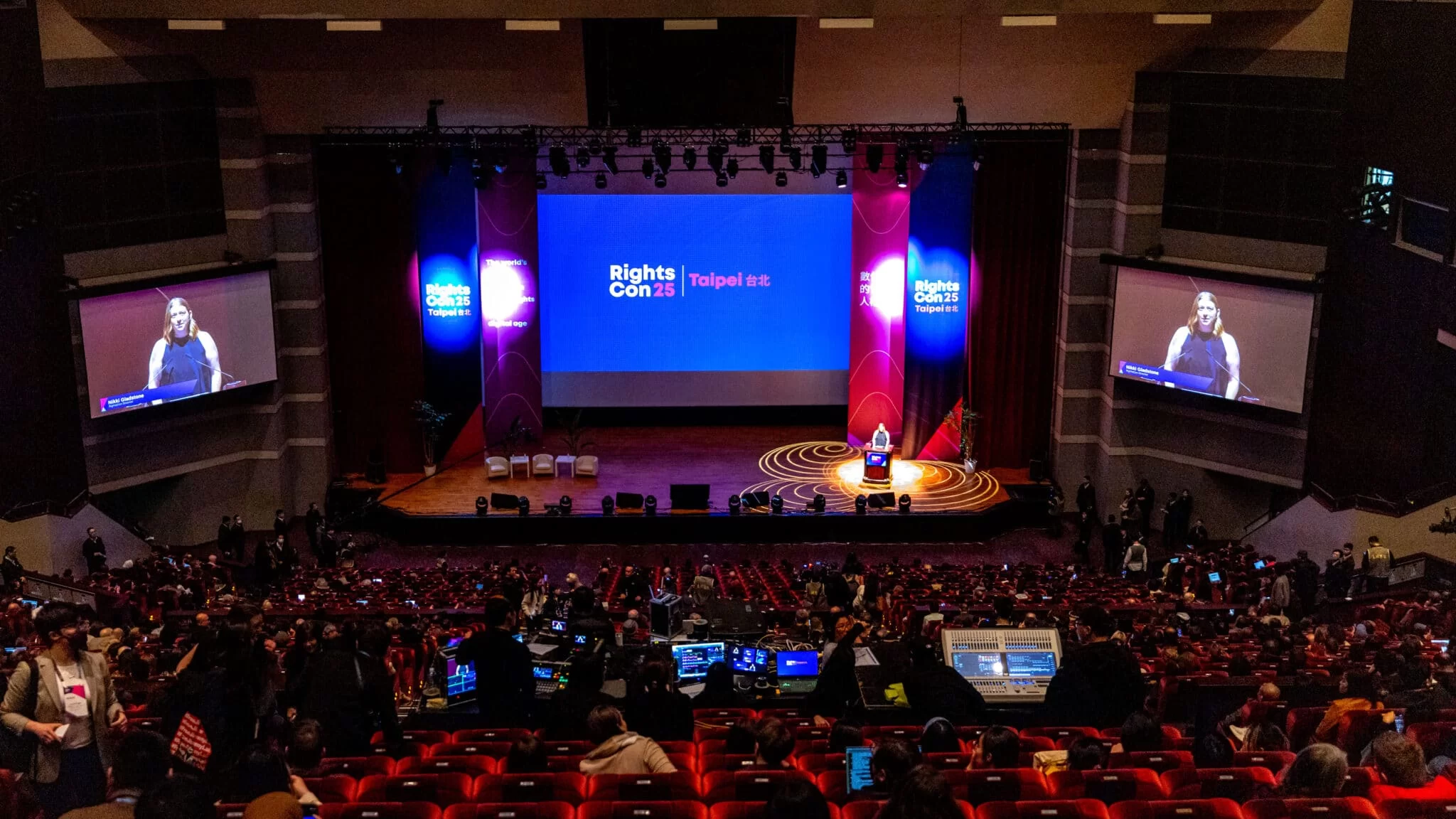
The cancellation of RightsCon, due to be held this weekend in Lusaka, Zambia has come as a shock. The global conference would have brought together thousands of advocates, technologists, academics, policymakers and others concerned with issues at the intersection of human rights and technology. However, for those Zambians who are abreast of the political direction their country is taking, it is not very surprising. Daniel Sikazwe, the secretary general of Zambian PEN, had feared that it could happen given the fact that the conference was to happen just three months before the general elections on 13 August 2026.
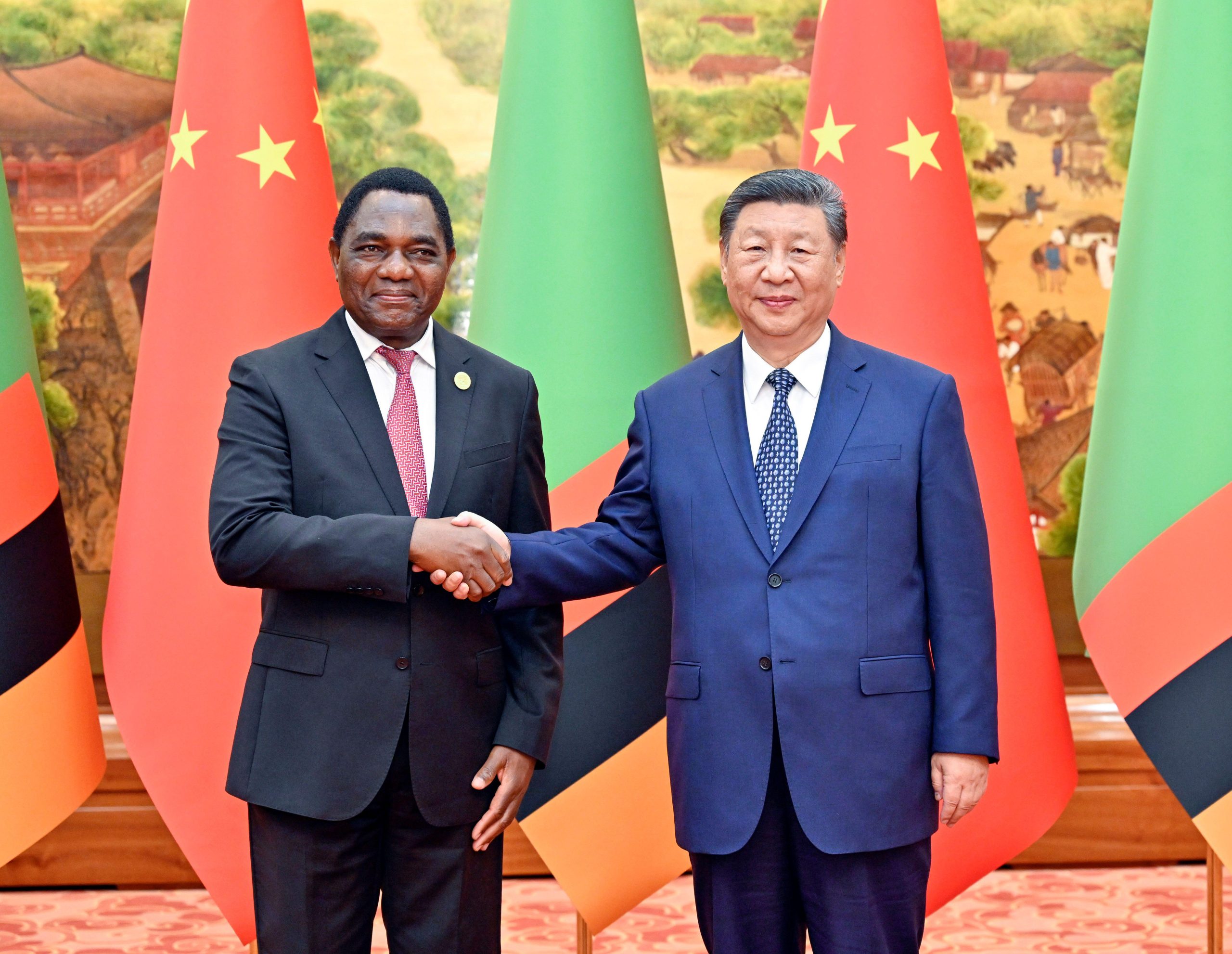
“The conference was going to show the world the state of human rights violations in Zambia at a time when the regime in power does not want this information known by the electorate,” he said, adding that since President Hakainde Hichilema assumed office in 2021, the human rights situation in the country has deteriorated. Hichilema’s government has enacted laws like the Cyber Security Act (2025) and the Cyber Crimes Act (2025) which human rights experts consider hostile to perceived dissent, criticism and political opposition. In fact, the Law Association of Zambia has petitioned the high court to declare provisions of the Cyber Crimes Act unconstitutional since it infringes on freedom of expression, speech, conscience, and association.
The Ministry of Information’s press release stating that the conference’s postponement was “necessitated by the need for a comprehensive disclosure of the critical information relating to key thematic issues proposed for discussion” suggests that the government was apprehensive about the direction that some of the conference sessions would take.
Charles Mafa, managing partner and editor at the Center of Investigative Journalism in Lusaka, Zambia attributed the postponement to China’s influence in the mining sector in Zambia. “On 18 February 2025, there was a major environmental disaster in Zambia: a tailings dam owned by a Chinese state-owned enterprise collapsed, releasing close to 50 million litres of highly toxic waste into the Kafue River ecosystem. This disaster and how investigations into it have been frustrated by the government was bound to be one of the big talking points at the conference to the discomfort of the ruling party,” he said.
David Ngwenyama, a well-known Zambian ecologist, reiterates Mafa’s point. “This is the same government that has done public relations work for the Chinese mining company, claiming that pollution has been neutralised and the conditions are back to normal,” he said, adding, “I would not be surprised if the postponement of the conference is yet another performance of Chinese power in Zambia.”
The fact that the venue where the conference was to be held – the Mulungushi International Conference Center – was partly built with Chinese funds has also made people wonder if China could have had a hand in the postponement of the event. There were also representatives from Taiwan due to speak at the conference. If all this is true, it raises serious questions about Zambia’s sovereignty.
For an African journalist like me, having RightsCon in southern Africa would have been a megaphone for human rights defenders and journalists to showcase the deterioration of human rights observance on the African continent and to put this on record.
It was also an opportunity for human rights defenders and journalists to come together as a family that shares the same values and dilemmas. There is immense power in this kind of gathering because it sends the powerful message: you are not alone in this work you are doing – everywhere in the world, there are people who are fighting for human rights observance as you are, and paying the price as you are, sometimes the ultimate price.
Finally, in the past, before the world changed in the Donald Trump direction where business and financial deals matter more than human life and human rights, resolutions made at these conferences had serious consequences for the nations labelled human rights violators, particularly in terms of isolating them as pariah nations (think of Iran, North Korea, Russia, after the invasion of Ukraine and the killing of Alexei Navalny – and the killing of more than 50,000 people in the Gaza war.
These days, unfortunately, none of this seems to matter: Mighty nations can attack weaker nations at will, assassinate the entire cabinet, and turn this into a joke on social media.
Bombing “for fun”. Sad.
Update: RightsCon have issued a statement saying they believe that “foreign interference” from China was the reason for the cancellation of the conference. You can read their explosive statement here.