Turkey’s new internet restrictions — rushed through in early September — spell trouble for the country’s press. Catherine Stupp reports.
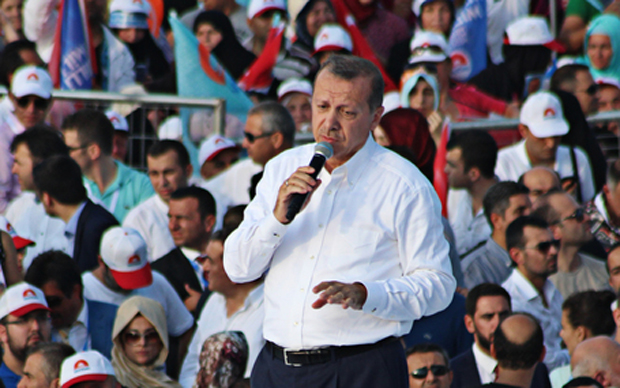
Turkey: Erdogan tightens the digital screws on free expression
read more

Turkey’s new internet restrictions — rushed through in early September — spell trouble for the country’s press. Catherine Stupp reports.
The European Commission (EC) on Thursday released a “mythbuster” on the controversial Court of Justice of the European Union ruling on the “right to be forgotten”.

A Yale student group’s choice to host writer Ayaan Hirsi Ali was met with widespread protest. This is not the only recent example of a free expression dispute at a US campus. Dave Coscia writes

The human rights defender is subject to a travel ban and is due in court again on 1 October. Aimee Hamilton reports
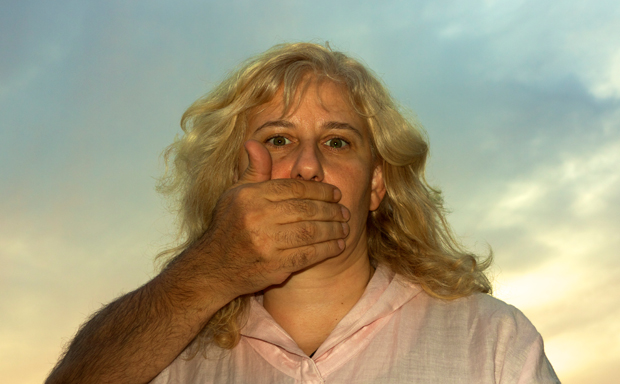
In a new poem written for Index on Censorship, Turkish playwright and author Meltem Arikan explores the status of women in Turkey.

With just a few weeks to go before Egyptian universities open their gates to students for the start of the new academic year, the Egyptian authorities are feeling jittery — and rightly so. Shahira Amin reports
The Independent Press Standards Organisation (Ipso) does not yet meet all the requirements for an effective, voluntary self-regulator. But we should not let flaws in its current design be used as an excuse to turn to state regulation of the press –...

While previous moves toward more openness in Iran have faltered, President Rouhani’s call for faster connection speeds for internet users has carved out common ground with the country’s supreme leader. Azadeh Moaveni writes

Join artists from all fields and working at all levels in Wales for an afternoon of participatory debate and open, honest discussion.
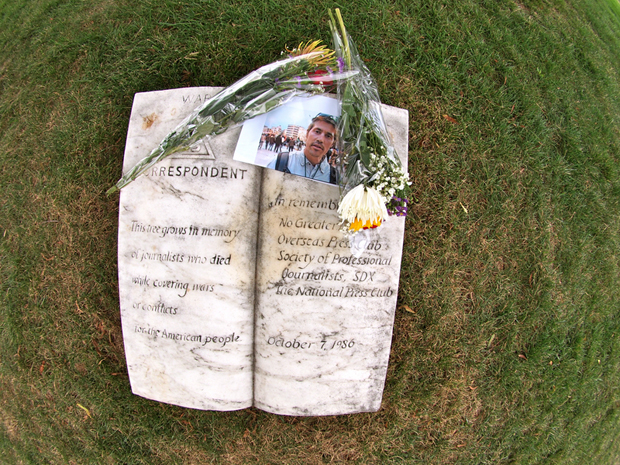
There is a difference between individuals exercising their right not to view or share a video, and companies such as Twitter — or indeed the police force — denying people the right to view it, writes Index CEO Jodie Ginsberg
Petitions, letters, and press releases from Index on Censorship