Legal challenge expected against “draconian” new regulator, Duke Mangera writes
Kenyan media prepare to battle new press laws
read more

Legal challenge expected against “draconian” new regulator, Duke Mangera writes

As thousands of Egyptians demonstrated in support of the country’s military, journalists were attacked, 49 people were killed and 247 others were injured in anti-government marches across Egypt on Saturday on the third anniversary of the uprising that led to the overthrow of autocrat Hosni Mubarak. Shahira Amin reports
After 42 years of political oppression in Libya, it was hoped that the apparatus of Gaddafi’s regime would be dismantled after he was swept from power. Vestiges of the despot’s suffocating grip on free speech still remain, and are still being used to suppress political expression. Alastair Sloan reports
A bill would blur the boundaries of discrimination in the United Kingdom, so that it no longer refers only to who you are, but what you do. This would be a massive legal change. Ian Dunt reports
Connoisseurs of a good political bust-up may have noticed a subtle change in tempo to the online filtering debate over the Christmas period. Jane Fae brings you up to date

The age of mass surveillance has brought with it a need for individuals to manage their online privacy — and human dignity, Scott Ainslie writes
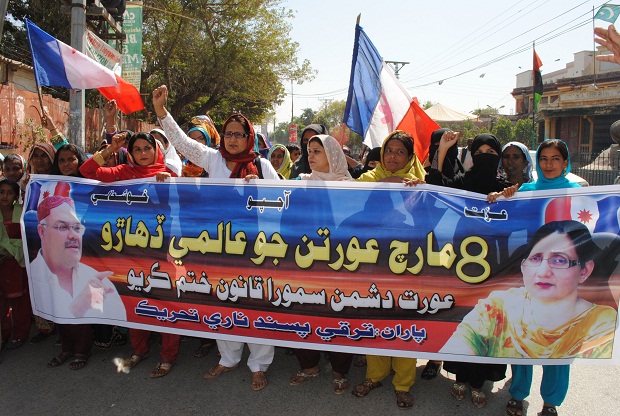
An increase in kidnappings of Hindu girls who are then coerced to embrace Islam and forced to marry has raised concerns in Pakistan, Zofeen Ebrahim writes
Renowned theatre group has Bible show cancelled after complaints. Padraig Reidy reports
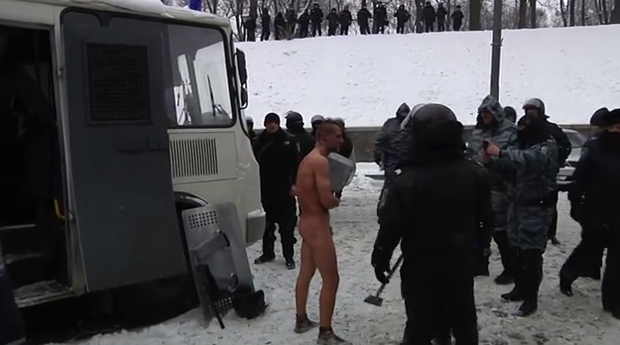
As the conflict in Kiev continues to unfold, Ukrainian civil society activists tell Index negotiations and urgent reaction of the international community are vital to resolve the crisis, Andrei Aliaksandrau writes
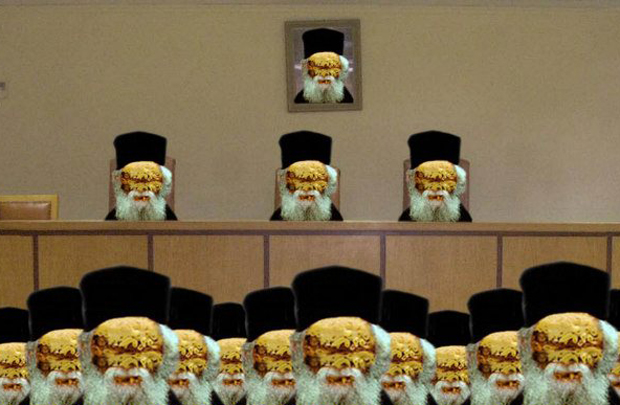
A satirical Facebook page created by a blogger to mock a well-known Greek Orthodox monk has resulted in a prison sentence and opened a debate on Greece’s blasphemy laws. Christos Syllas reports