30 Sep 2021 | Events
[vc_row][vc_column width=”1/2″][vc_single_image image=”117589″ img_size=”full”][/vc_column][vc_column width=”1/2″][vc_column_text]In preparation for COP26, Index on Censorship invites you to reflect on the role of indigenous activists in climate activism.
As we prepare for challenging and necessary conversations at COP26, Index on Censorship brings attention to the cases of people whose voices are too easily forgotten in climate change debates. Index sheds light on the challenges of speaking up about climate change.
Join us for the launch of the new Index on Censorship magazine, A Climate of Fear. The conversation will be chaired by Index on Censorship acting editor Martin Bright with a focus on indigenous activists in Ecuador fighting for environmental justice and those who tell their stories.
Steven Donziger is a US lawyer who was part of an international legal team that obtained a multi-billion-dollar pollution judgment designed to remedy decades of deliberate toxic dumping by global oil company Chevron on indigenous ancestral lands in Ecuador.
Jimmy Piaguaje is an indigenous defender and filmmaker of Siekopai nationality from the community of Siekoya Remolino in Ecuador’s northeastern Amazon region. He is the co-founder of the Sëra Foundation, a grassroots organisation created by a group of young people from Siekoya Remolino to preserve their ancestral knowledge via audiovisual techniques and education. His latest documentary, about fighting covid in the Amazon with ancestral medicine, was published by the New Yorker.
Bethany Pitts is a writer and activist who has been working with indigenous communities in Ecuador since 2013, especially those defending the Amazon from oil exploitation. She is the author of the Moon Guide to Ecuador & The Galapagos Islands, the first internationally published guidebook on Ecuador with a focus on ethical travel. It was while Bethany was in the Amazon researching for her book in 2018 that she met Jimmy Piaguaje. Since then, she has been working to support the Sëra Foundation.
Martin Bright has over 30 years of experience as a journalist, working for the Observer, the Guardian and the New Statesman among others. He has worked on several high-profile freedom of expression cases often involving government secrecy. He broke the story of Iraq War whistleblower Katharine Gun, which was made into the movie Official Secrets (2019) starring Keira Knightley. He is the founder of Creative Society, a youth employment charity set up in response to the economic crash of 2008.[/vc_column_text][/vc_column][/vc_row][vc_row][vc_column][vc_column_text]
When: Tuesday 19 October 2021, 17:30 to 18:30 BST
Where: ONLINE
[/vc_column_text][/vc_column][/vc_row]
29 Sep 2021 | Magazine, Magazine Editions, Volume 50.03 Autumn 2021
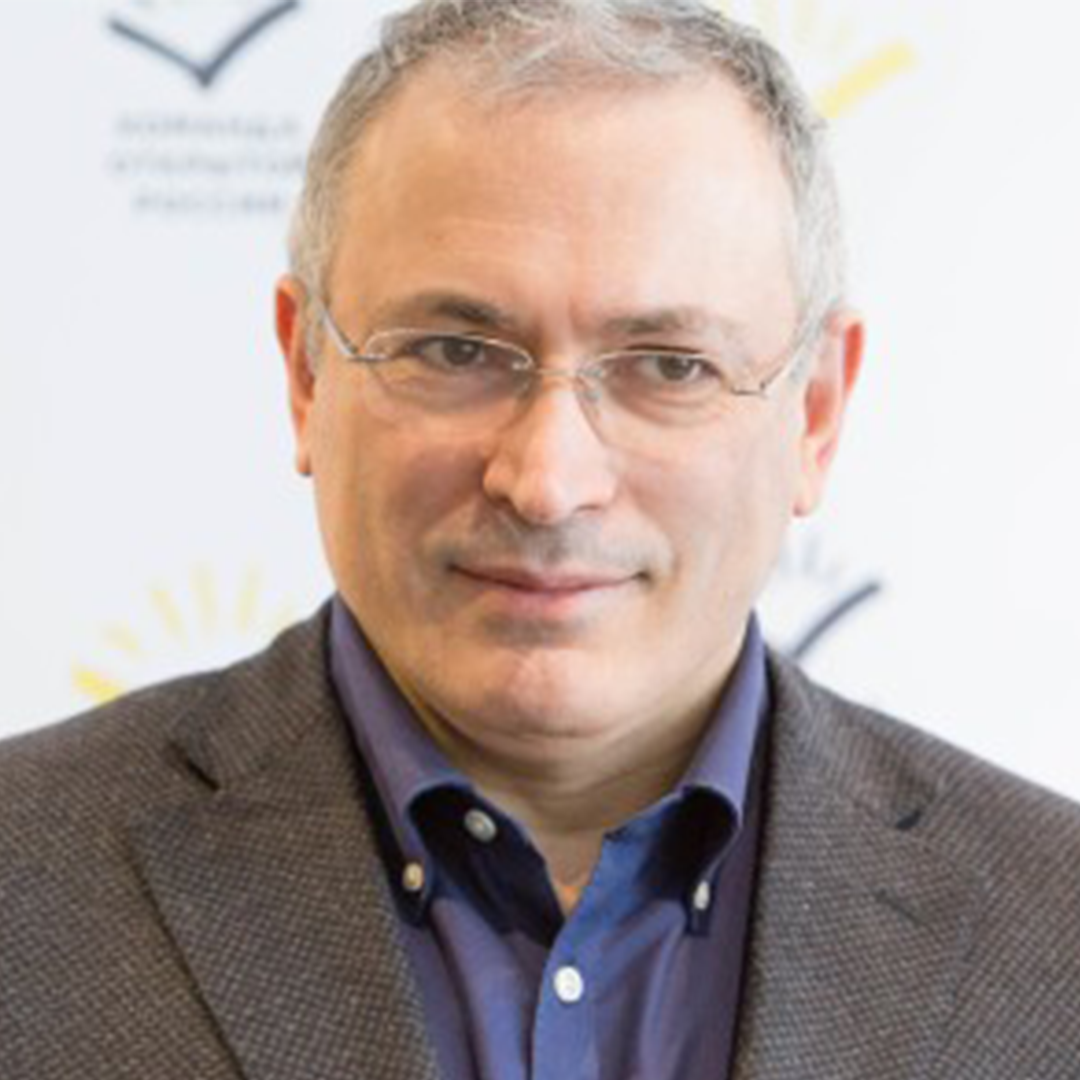
Journalist
John Sweeney is a writer and journalist who has investigated Scientology and Russian interference in the US elections. He is the host of the Hunting Ghislaine podcast.
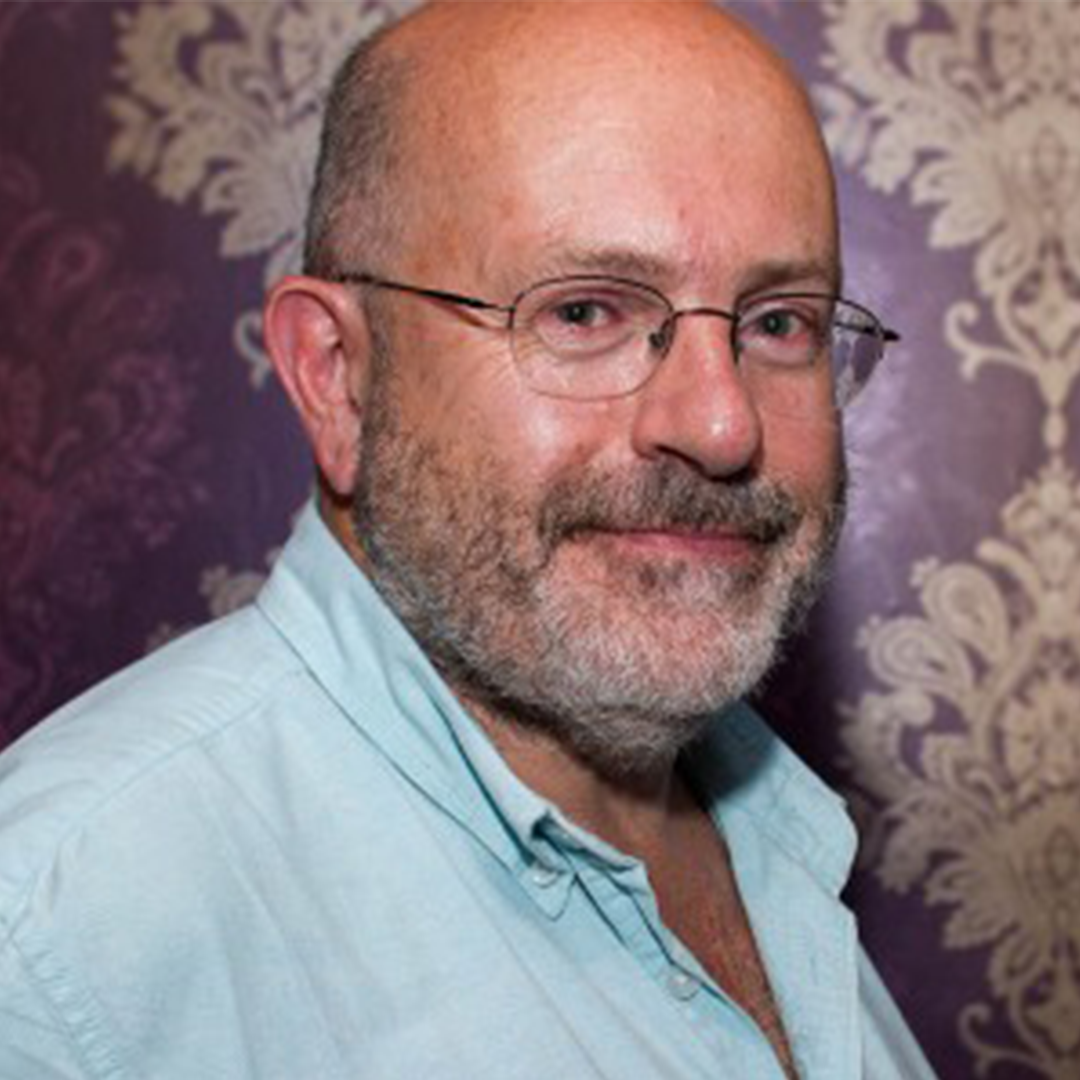
Activist and producer
Kelly Duda is an activist and producer and director of the documentary Factor 8: The Arkansas Prison Blood Scandal.
16 Sep 2021 | Burma, Events, Iraq
[vc_row][vc_column width=”1/2″][vc_single_image image=”117512″ img_size=”full”][vc_column_text]
Marking Banned Books Week 2021, Index on Censorship and the British Library present a conversation with poets at the frontlines of protest movements fighting for the right to speak freely and without fear of persecution.
[/vc_column_text][/vc_column][vc_column width=”1/2″][vc_column_text]Poetry is frequently used as a tool in protest movements to inspire, unite, and mobilise support. From Black Lives Matter and women’s liberation to protest movements in Myanmar and Afghanistan, poetry holds the power to gather crowds during a rally, or grab attention online. Poets can offer support and guidance in the most challenging, tragic or dangerous situations. Join Myanmarese-British poet ko ko thett and poet and scholar Dr Choman Hardi for a live poetry reading and conversation about the power of poetry in protest movements. The event will be chaired by Index on Censorship deputy chair Kate Maltby.
Marking Banned Books Week 2021, which has the theme “Books Unite Us. Censorship Divides Us”, Index on Censorship and the British Library invite you to explore the role of poetry in protest. What role does poetry play in protest movements? And can poetry be a form of protest in its own right?
Kate Maltby is the Deputy Chair of the Index on Censorship Board of Trustees. She is a critic, columnist, and scholar. She is currently working towards the completion of a PhD which examines the intellectual life of Elizabeth I, through the prism of her accomplished translations of Latin poetry, her own poems and recently attributed letters, and her representation as a learned queen by writers such as Shakespeare, Spenser and Sidney.
ko ko thett started publishing poems in samizdat format at Yangon Institute of Technology in the early 1990s. After a brush with the authorities in the December 1996 protests, he left Burma, led an itinerant life in Asia, Europe and North America and moved back to Myanmar in 2017. He has published several collections of poems and translations in Burmese and English. His poems have been translated into a dozen languages and are widely anthologised. He now lives in Norwich, UK.
Dr Choman Hardi is an educator, poet, and scholar known for pioneering work on issues of gender and education in the Kurdistan region of Iraq and beyond. After 26 years of exile, she returned home in 2014 to teach English and initiate gender studies at the American University of Iraq, Sulaimani (AUIS), where she also served as English department chair in 2015-16. She is the author of critically acclaimed books in the fields of poetry, academia, and translation. Since 2010, poems from her first English collection, Life for Us (Bloodaxe, 2004) have been studied by secondary school students in the UK as part of their English curriculum. Her second collection, Considering the Women (Bloodaxe, 2015), was given a Recommendation by the Poetry Book Society and shortlisted for the Forward Prize for Best Collection. Her translation of Sherko Bekas’ Butterfly Valley (ARC, 2018) won a PEN Translates Award.[/vc_column_text][/vc_column][/vc_row][vc_row][vc_column][vc_column_text]When: Wednesday 29 September 2021, 18.30-19.30
Where: ONLINE
Tickets: Free, advance booking essential[/vc_column_text][/vc_column][/vc_row]
26 Jul 2021 | Magazine, Magazine Editions, Volume 50.02 Summer 2021
Index’s new issue of the magazine looks at the importance of whistleblowers in upholding our democracies.
Featured are stories such as the case of Reality Winner, written by her sister Brittany. Despite being released from prison, the former intelligence analyst is still unable to speak out after she revealed documents that showed attempted Russian interference in US elections.
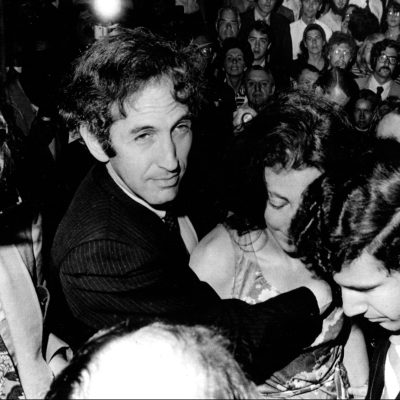
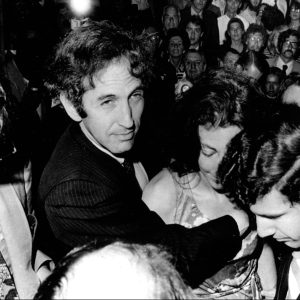
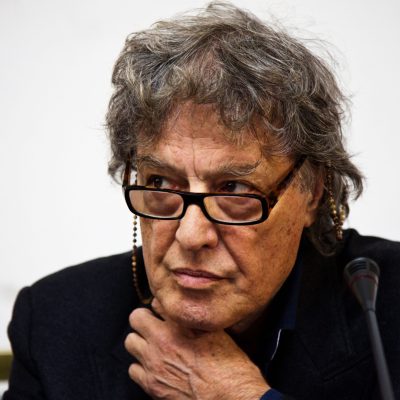
Playwright Tom Stoppard speaks to Sarah Sands about his life and new play title ‘Leopoldstatd’ and, 50 years on from the Pentagon Papers, the “original whistleblower” Daniel Ellsberg speaks to Index .
by Index on Censorship | 26 Jul 21 | Africa, Bosnia, Burma, China, Europe and Central Asia, Hong Kong, Hungary, India, Magazine, Magazine Contents, Slapps, Volume 50.02 Summer 2021, Volume 50.02 Summer 2021 Extras | 0 Comments
Index's new issue of the magazine looks at the importance of whistleblowers in upholding our democracies. Featured are stories such as the case of Reality Winner, written by her sister Brittany. Despite being released from prison, the former intelligence analyst is...